

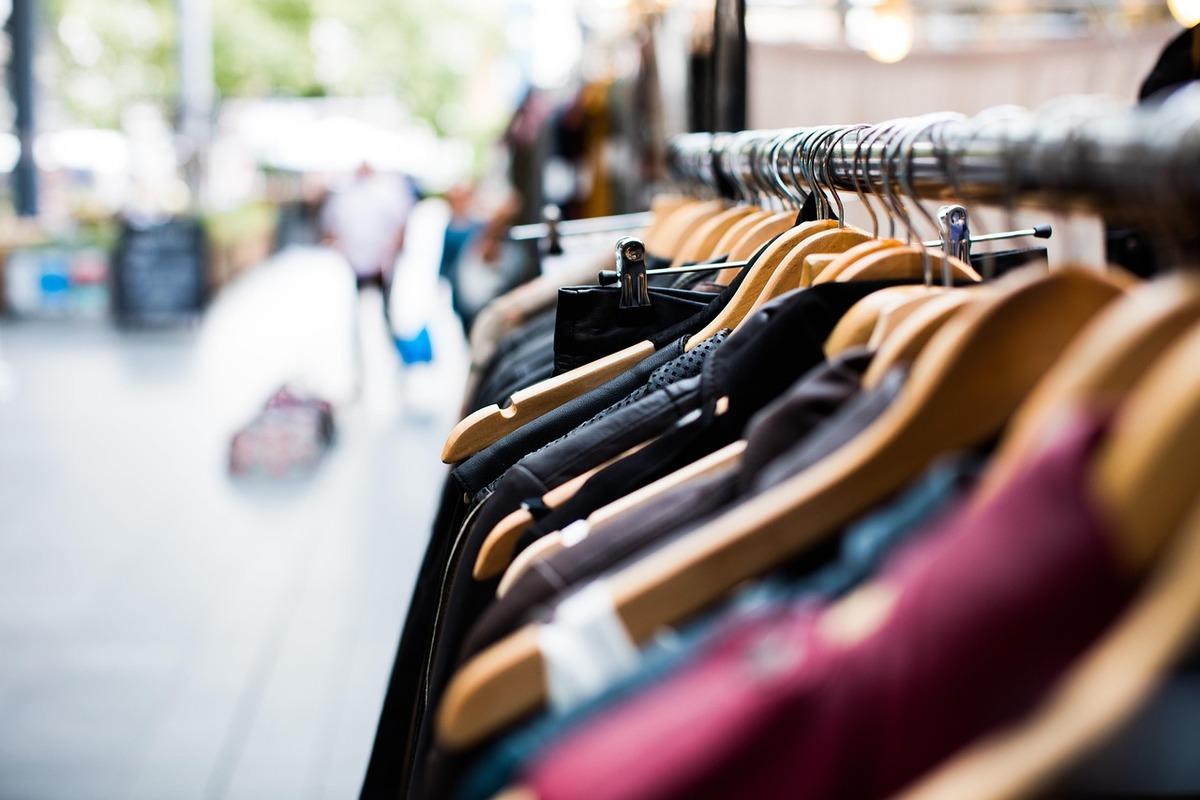
Shoppers buying second-hand clothing must clean and disinfect every item before wearing it directly against their skin, lifestyle publication lovedeco reported.
Even when garments appear virtually unworn or have undergone commercial processing before sale, unseen micro-organisms can remain embedded within fabric fibers across complex resale supply chains.
In its report, lovedeco defined a second-hand item as any product that has had a previous owner and returned to circulation for use by another person. The publication noted that a garment enters this category immediately upon resale, regardless of whether its original owner wore it dozens of times or only once. While durable clothing that receives proper care can maintain its shape, appearance, and functionality long after changing hands, buyers face inherent hygiene concerns because the full history of the garment remains unknown.
Used clothing often moves through global recycling and resale networks before reaching store hangers, undergoing stages including wearing, home storage, donation or collection, industrial sorting, packaging, transit, and retail storage. For this reason, lovedeco emphasized that shoppers should never assume pre-owned items are safe to wear immediately without laundering.
Cleaning and high-temperature disinfection
The report established a clear distinction between routine cleaning and true disinfection. Washing clothes with water and detergent removes surface dirt, skin oil, sweat, and a substantial portion of micro-organisms, which rinse away with the waste water. Disinfection adds a critical secondary level of hygiene, relying on sustained high temperatures or chemical agents with proven efficacy to destroy or deactivate remaining micro-organisms.
For durable fabrics such as cotton T-shirts, linen, socks, and other hard-wearing items, washing at 60 degrees Celsius serves as a highly effective method to reduce contamination. Lovedeco reported that a 60-degree cycle relies on a combination of water temperature, detergent action, program duration, mechanical agitation, thorough rinsing, and tumble drying. Following a hot wash with mechanical drying provides a significant additional reduction in remaining bacteria and micro-organisms.
Treating heat-sensitive and delicate fabrics
Most second-hand garments, including sweaters, dresses, jackets, tailored coats, and vintage items made of wool or delicate synthetic blends, cannot withstand high-temperature washing cycles without shrinking or losing their structural shape. The publication advised consumers to choose alternative cleaning methods for heat-sensitive clothing while strictly adhering to the maximum temperature listed on the garment care label.
Washing delicate garments at 30 or 40 degrees Celsius on a full detergent cycle still mechanically removes dirt and many micro-organisms, even though lower temperatures lack the thermal sanitising effect of a 60-degree wash. When higher water temperatures are impossible, shoppers can add dedicated laundry disinfectants or hygienic laundry rinses that are compatible with the fabric.
For specific white and durable items, chlorine-based bleach offers another sanitising option, provided that both the garment care label and the product instructions permit bleach usage. For jackets, coats, suits, and other garments that cannot be washed in water, professional dry cleaning represents one of the safest choices. Dry cleaning uses chemical solvents rather than water to lift soils without distorting fabrics. Lovedeco warned against home attempts using hot water or unverified chemicals, which can permanently damage garment fibers, internal linings, glued seams, and tailored structures.
Items that cannot be washed in water but are suspected of carrying dust mites can be sealed inside a plastic bag for 72 hours to one week. Microscopic dust mites, which commonly inhabit household textiles, typically cannot survive longer than two to three days when separated from human skin contact and its shed cells.
High values in second-hand fashion markets
The guidance on hygiene comes amidst growing interest in second-hand fashion, where rare finds can yield extraordinary financial returns. Ukrainian news agency UNIAN previously reported that eight specific second-hand items are worth significantly more than buyers pay for them in thrift shops. In one notable instance reported by UNIAN, a second-hand jacket purchased for just 3 dollars was later sold at an auction for nearly 90,000 dollars.


