A new study published in the journal Nature Medicine has found that the way a person walks, known as gait, can carry information about thousands of health indicators across multiple body systems, according to the Italian health outlet Mondosanita. Researchers used three-dimensional movement recordings of 3,328 adults to build an artificial intelligence model capable of recognising gait patterns and linking them to clinical data.
Mondosanita reported that participants carried out five movement tasks in front of a depth-sensing camera, including walking, walking in place, and rising from a seated position.
The outlet explained that the AI-based system studied sequences of skeletal movement and compared them with medical data gathered as part of the project.
The study's authors said they found statistically significant associations for 1,887 of 3,210 indicators examined, and that the model improved predictions across numerous body systems, according to the accompanying paper.
However, Mondosanita stressed that a system which detects patterns does not provide a diagnosis.
The paper added that the same change in gait can have different underlying causes, and that a model built from this sample would need to be tested on other populations, including people of different ages, body types, mobility levels and clinical conditions, the researchers said.
Mondosanita said the value of the research lies in the possibility of one day supplementing traditional assessment methods with an objective, non-invasive indicator.
Everyday warning signs
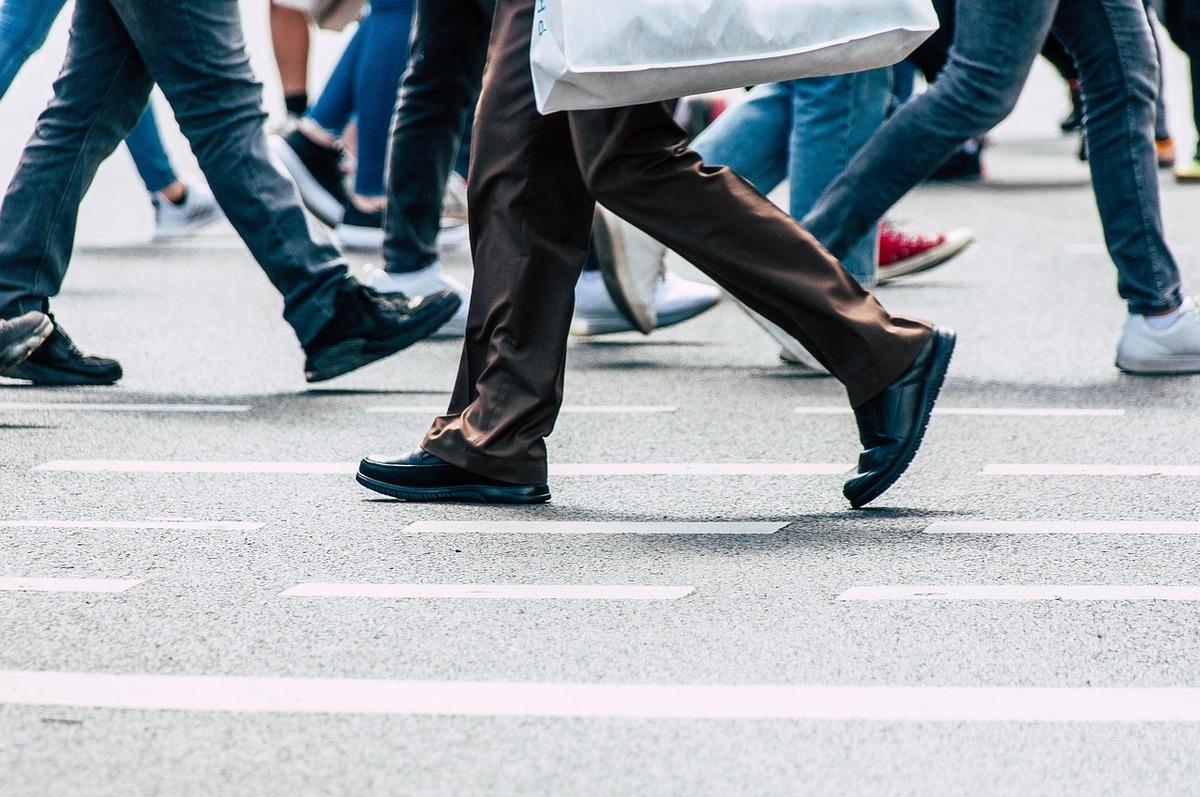
According to the study, these signs remain recognisable in daily life even without specialised cameras: a person walks slower than usual, takes shorter steps, stumbles frequently, needs more effort to rise from a chair, or avoids putting weight on one leg.
Mondosanita said a new or gradually worsening change in gait deserves attention, especially when it comes with falls, pain, shortness of breath, weakness or loss of sensation.
During a medical examination, the underlying cause is established, which can be muscular, joint-related, neurological, vascular or cardiac.
A complex interaction
The paper noted that gait is the result of a complex interaction: the brain programmes movement, the eyes and inner ear help with orientation, nerves carry commands to muscles and joints, and blood vessels allow those commands to be carried out.
Mondosanita explained that looking at speed alone is not enough, since one person might slow down because of pain, another out of fear of falling, and a third because of lost strength or breathlessness. The study attempted to preserve this diversity of information rather than reducing a person's step to a single number.
Staying independent
Mondosanita said regular physical activity remains the most effective way to preserve independence. Walking is useful, but people whose legs are weakening should also train their muscles with appropriate exercises and work on balance.
For those with a sedentary lifestyle, the outlet advised starting with short workouts and gradually increasing their duration, stopping if chest pain, severe dizziness or unusual shortness of breath occurs.
People with cardiovascular disease or significant physical limitations should agree an exercise programme with a doctor or rehabilitation specialist, Mondosanita said.
What happens next
The researchers said the model, built from one sample, needs to be tested on other populations with different ages, body types, mobility levels and clinical conditions.
Test yourself
How many adults' movement recordings were used in the study?
What did the researchers say the AI system can and cannot do?
What did the study's authors say remains the most effective way to preserve independence?
Have your say
Would you be interested in a camera-based gait check as part of a routine health assessment?