

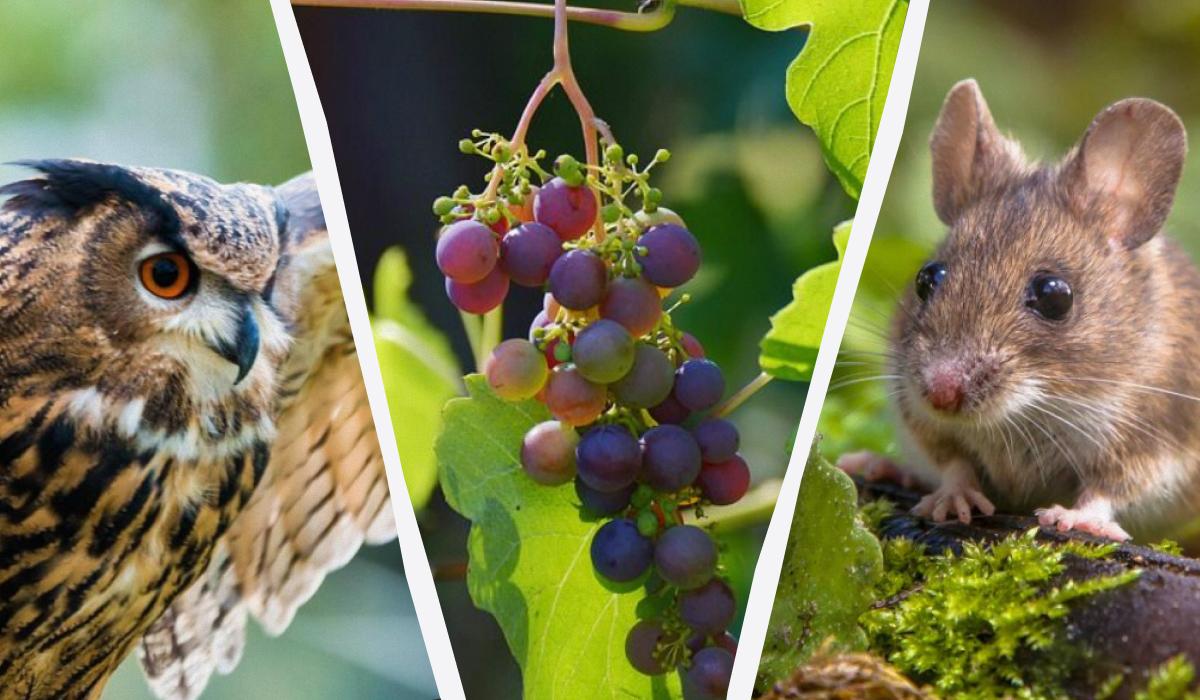
Researchers studying six vineyards in Napa Valley, California, found that barn owls naturally protect crops by reducing rodent activity, The Times of India reported. The research team evaluated whether barn owls could lower rodent numbers and alter the animals' feeding behavior.
The work forms part of a barn owl research program launched in 2015. Since then, scientists have installed more than 500 owl boxes across California wine regions.
To measure rodent behavior, researchers placed food trays in the vineyards and recorded how much food remained. When rodents felt threatened by predators, they spent less time feeding and left behind more food.
Scientists also monitored owl activity around the boxes. They then compared rodent numbers and behavior in areas with high predator bird activity against areas with low activity.
Rodent activity and owl hunting
Vineyards with higher owl activity had 38 to 52 percent fewer rodents compared with areas that had few or no owls. Rodents also acted more cautious where owls were active, increasing their fear of predators by 16 to 38 percent and spending less time feeding.
Researchers noted that predators do not need to kill prey to lessen agricultural damage. When rodents know owls are near, they stay alert and avoid feeding for long periods in open areas.
Vegetation cover also plays a role in hunting success. Barn owls rely mainly on hearing to locate prey, while rodents rely largely on sight to spot danger. Dense plant cover gives owls an advantage, helping them hunt rodents more effectively.
Nesting box design and farm impact
Scientists found that breeding owls occupy between 30 and 75 percent of the boxes each year. The most effective designs are tall wooden boxes measuring about 61 centimeters high.
Farmers mount these boxes on poles higher than 3.6 meters in locations featuring plentiful meadows and little nearby forest. A single family of barn owls can eliminate up to 4,000 rodents every year.
Researchers said natural predators can play a vital role in agriculture by helping farmers reduce chemical pest controls while supporting biodiversity. Ivo Jeramaz, a representative of a participating vineyard, said his farm joined the program in 2015. He said years of collected data helped guide an integrated pest control system that significantly reduced the vineyard rodent problem.
Solar farm tortoise shelters
The report also highlighted an earlier finding at the largest solar plant in the United States, the Gemini Solar Project in the Mojave Desert near Las Vegas. Researchers studying the site observed desert tortoises using the space beneath rows of solar panels as shelter from the harsh desert sun.


