

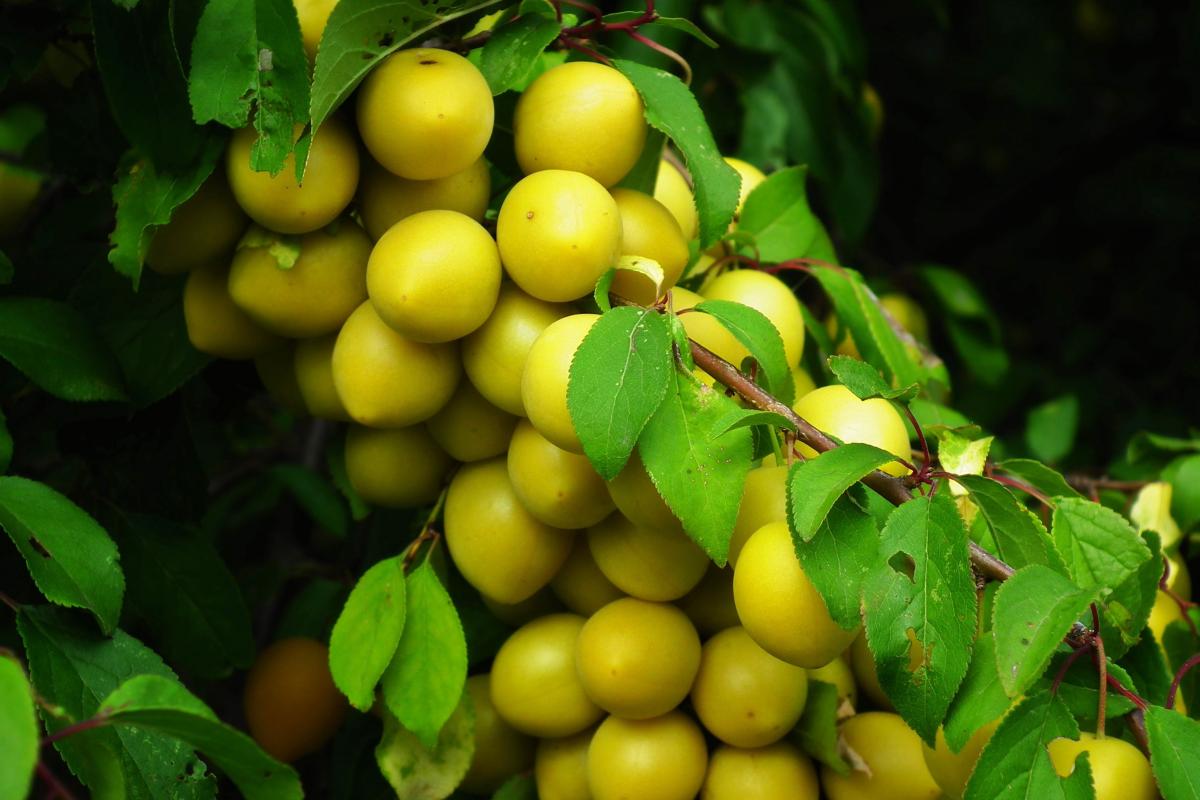
Gardeners and farmers in Ukraine are reviving the Mirabelle plum, a resilient yellow fruit variety popular during the 1980s and 1990s.
Experienced farmers recommend planting the high-yielding trees in late summer or autumn to secure heavy harvests with minimal effort.
The Mirabelle is a small yellow plum that visually resembles the cherry plum. During the communist era, the fruit was widely cultivated across Ukraine, Poland, the Czech Republic, and other Eastern European nations before fading from widespread commercial production.
Large agricultural producers eventually abandoned the Mirabelle plum in favor of firmer fruit varieties because its delicate pulp suffers during transport. That commercial shift left the variety largely forgotten, but modern growers are rediscovering its advantages as low-maintenance plants gain popularity.
The plum belongs to the species Prunus domestica and has long been valued in European fruit growing for preserves and fresh consumption. Modern fruit growers appreciate its ability to thrive without intensive chemical inputs or specialized soil treatments.
Resilience to frost and disease
Farmers favor the variety for its extreme resilience and versatility. The trees require virtually no maintenance or fertilizers, grow independently, and adapt easily to diverse soil types.
The trees show strong resistance to diseases that typically affect other plum varieties. They also withstand spring frosts exceptionally well, a critical trait for volatile weather conditions in Ukraine.
In regions where sensitive stone fruits such as peaches and apricots succumb to sudden spring freezes, Mirabelle trees survive and continue to produce strong yields.
Fruit varieties and taste
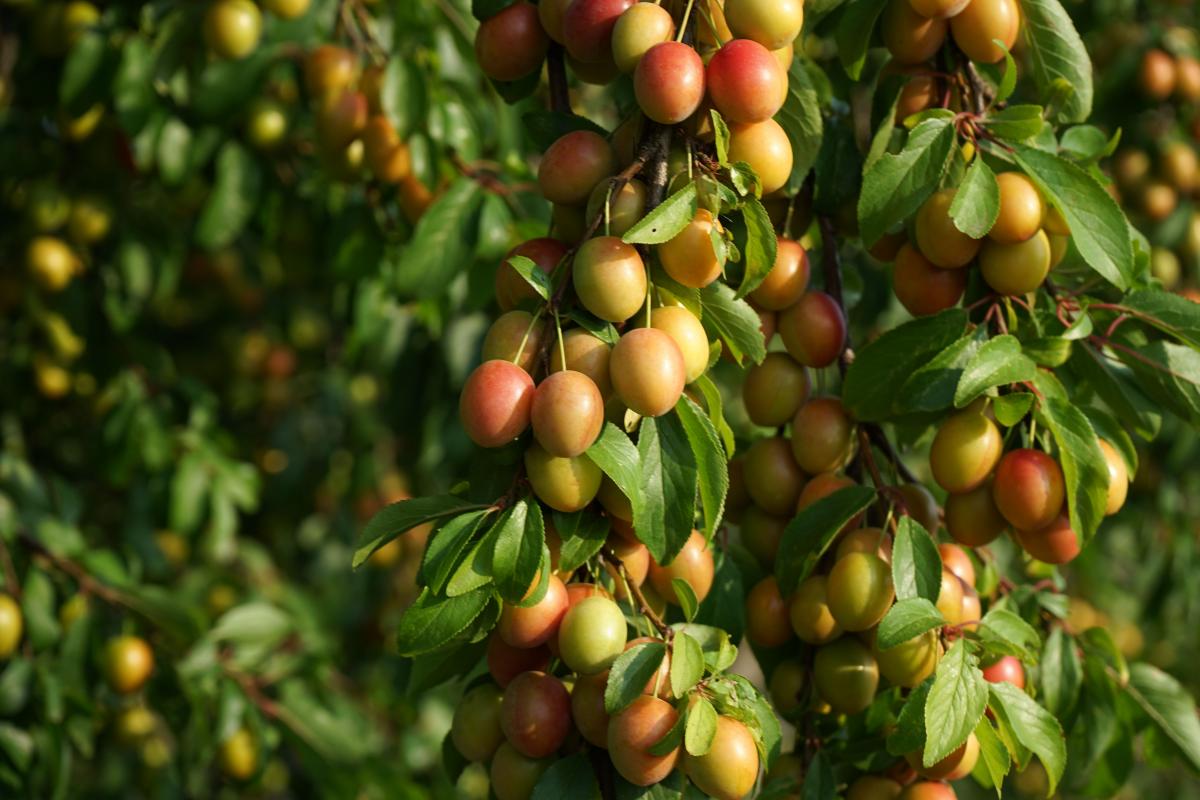
Taste profiles differ across the numerous Mirabelle sub-varieties available to growers. The most famous variety is the Mirabelle de Nancy, which originated in France.
The Nancy variety produces aromatic fruit with sweet pulp that separates easily from the stone. The high sugar content makes it particularly suitable for jams and fruit preserves. While other cultivated varieties offer good flavor, experts advise against taking seeds from wild trees.
France's northeastern region of Lorraine is historically famous for Mirabelle production, where the fruit holds protected geographical status. The Nancy cultivar remains one of the benchmark stone fruits in European horticulture.
Autumn planting guidelines
Growers planning to establish Mirabelle trees this autumn should plant seedlings in late September or October. Trees require a sunny location, as maximum sunlight exposure produces the sweetest fruit.
Gardeners should position each tree at least 4 meters away from nearby buildings and neighboring trees. After setting the seedling, growers must water the plant thoroughly and tie it securely to a support stake.
The yellow plum trees produce their first harvest within 2 to 3 years after planting. Agriculture advisors note that autumn garden preparations can include several hardy fruit crops, though the Mirabelle plum offers exceptional returns for home growers.


