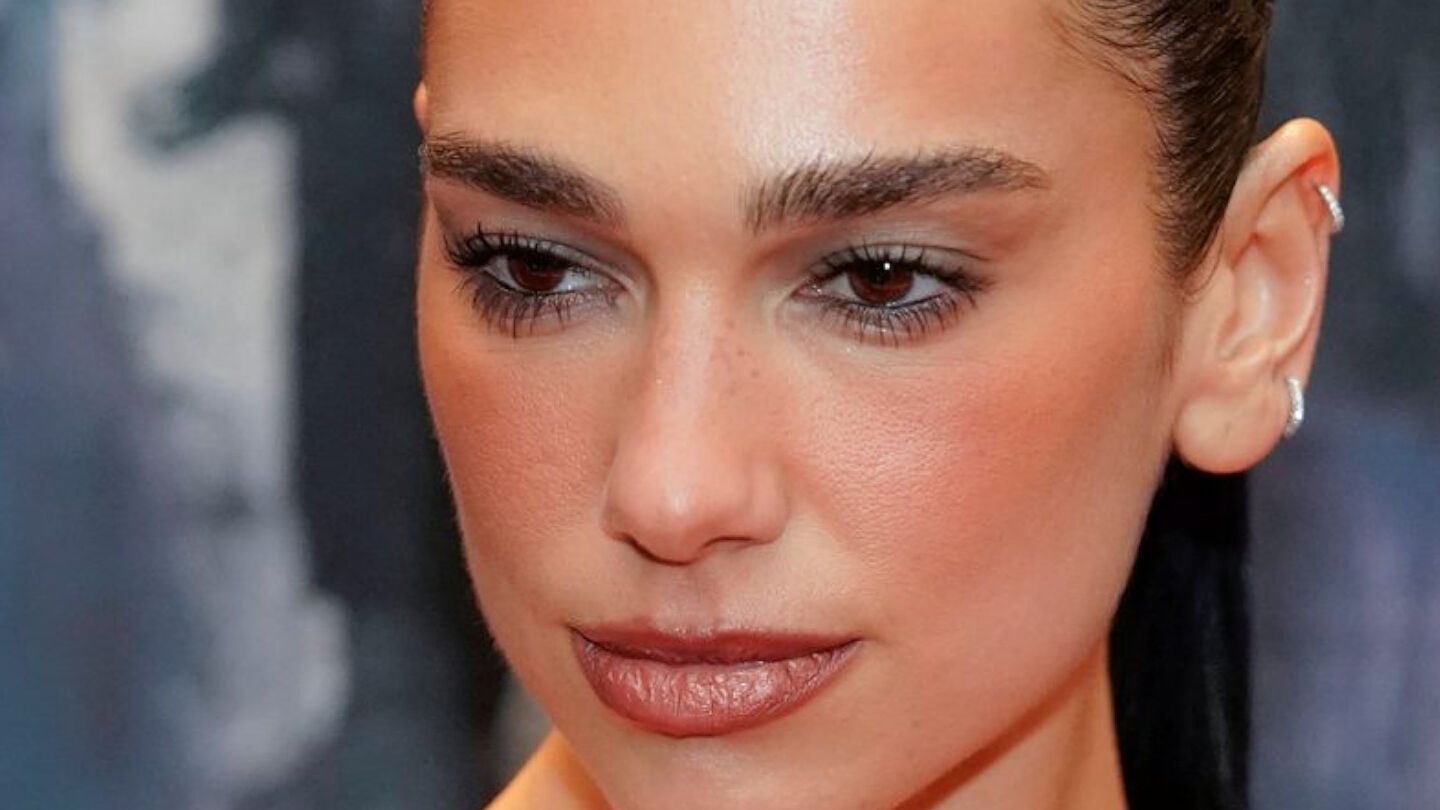
Eyebrow lamination, the treatment that keeps brows perfectly styled for weeks, does not always deliver the smooth, natural look people expect, according to Mayra Medina, a professional makeup artist for the brand Ardell. Medina said the main mistake is applying the same technique to every client without accounting for the fact that each person's eyebrows differ in thickness, density and direction of growth.
Eyebrow lamination has become one of the most requested beauty treatments for keeping brows neatly groomed over several weeks. It no longer requires a visit to a specialist salon, as a wide range of products now allows people to carry out the treatment themselves at home.
Common lamination mistakes
Medina said skipping a proper diagnosis before starting is the first error, since brows vary in thickness, density and growth direction and the procedure needs to be adapted accordingly.
Using too much product is another common problem. Medina said that although people assume more product gives a more defined result, it can actually leave the hair matted and covered in residue.
Respecting exposure times also matters. Medina said leaving the product on longer than recommended does not improve the result and can harm the health of the hair.
The way the brows are combed is decisive too. Medina said directing all the hairs vertically, without respecting their natural growth, produces an artificial finish that hardens the facial features.
Why some eyebrows end up stiff or stuck to the skin
Laminated eyebrows that end up completely flattened against the forehead, or with hairs pointing sharply upward, are usually the result of excessive exposure time, Medina said.
She also warned that pressing too hard while combing the brows, forcing all the hairs into an overly vertical direction, or failing to remove leftover product properly all lead to an unflattering result. Instead of opening up the eyes, Medina said, these mistakes can give the face an angry expression.
How to do eyebrow lamination step by step
To achieve defined, natural-looking brows without the stiff effect that can harden the expression, Medina recommends the following steps.
- Clean the area thoroughly before starting the treatment.
- Study your face shape and the natural direction of your brow hair to adapt the technique.
- Apply the right amount of product, since using more does not improve the result.
- Comb the brows following their natural growth, without forcing the hairs upward or pressing too hard.
- Follow the exposure times stated on the product.
- Remove the residue carefully so nothing is left behind.
- Finish with a specific hydrating product for eyebrows to protect the hair.
Can a bad lamination damage the hair?
Lamination gives good results when done correctly, but excessive exposure to the products can alter the hair fibre. Medina said the first sign is usually that the hair becomes very porous, then starts to look curled, and eventually breaks.
This damage becomes more noticeable when combing the brows or applying hydrating products, as the hair shows a different texture and greater fragility, while the surrounding skin becomes more sensitive. Medina stressed the importance of following the manufacturer's instructions and respecting the timing set for each product.
Who should avoid eyebrow lamination
Despite its popularity, the treatment is not suitable for everyone. Medina advises against it for very weak brows, hair that breaks easily, or brows that have recently undergone the same procedure.
She also recommends avoiding it for people with dermatitis in the area or sensitive skin, since it could worsen the irritation. A professional assessment is essential to determine whether the brows are in a condition to undergo the treatment.
Aftercare for long-lasting results
Aftercare affects both how long the lamination lasts and how the brows look. Medina recommends avoiding contact with water for the first 24 to 48 hours, depending on the instructions for the product used.
During that period, she also advises against rubbing the brows, applying makeup to them, or sleeping face down, to prevent them from losing shape. Medina added that facial exfoliants should be kept away from the eyebrow area to avoid irritation. After that window, maintenance involves gently brushing the brows and hydrating them with a specific eyebrow serum.
How to fix a lamination that went wrong
If the result is not what was expected, the first rule is not to fix it by repeating the treatment straight away. Medina recommends waiting at least four to six weeks before a new lamination, depending on the condition and growth of the hair, and longer if the brows are especially weakened.
If the issue is brows that are too stiff or flattened against the skin, she suggests gently combing them in the desired direction once the area can be washed again. A few days later, a light fixative that can be removed easily without rubbing can also help. Medina said repeating the procedure hastily to correct a bad result should never be done, as it could weaken the hair even further.
Products mentioned
Ardell's Brow Glue is a long-lasting fixing gel designed to give full, impeccable brows with an instant lifting effect, priced at 11.90 euros at the Spanish retailer Druni.
Benefit's 24-HR Brow Setter is another long-lasting fixing gel with an invisible finish, priced at 20 euros. It has a dual-sized brush that covers the hair from root to tip and a flexible, fast-drying formula.
Test yourself
According to Mayra Medina, what is the main mistake people make with eyebrow lamination?
What does Medina say happens to hair after excessive exposure to lamination products?
How long does Medina recommend waiting before repeating a lamination that went wrong?
Have your say
Have you ever tried eyebrow lamination?