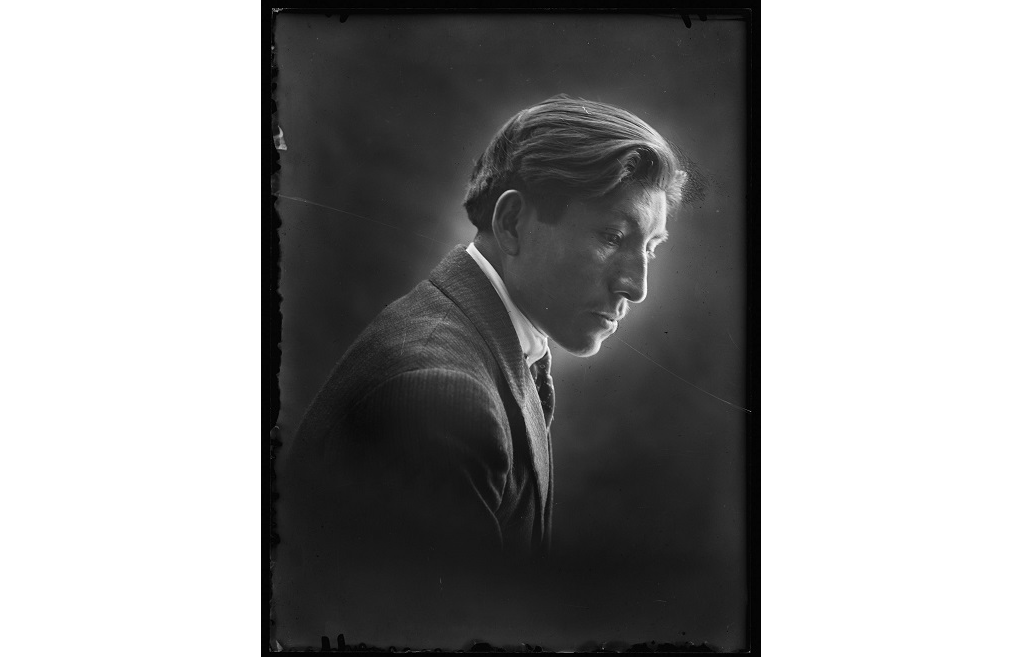
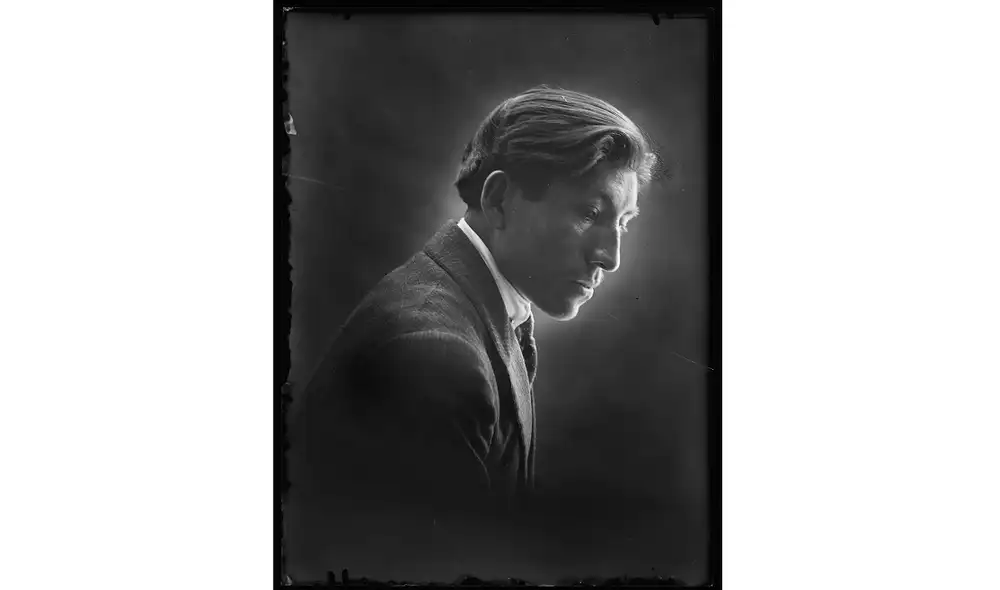
Peruvian photographer Martín Chambi is being honored with a major retrospective exhibition running through September 6 at the Centro Cultural Inca Garcilaso in Lima.
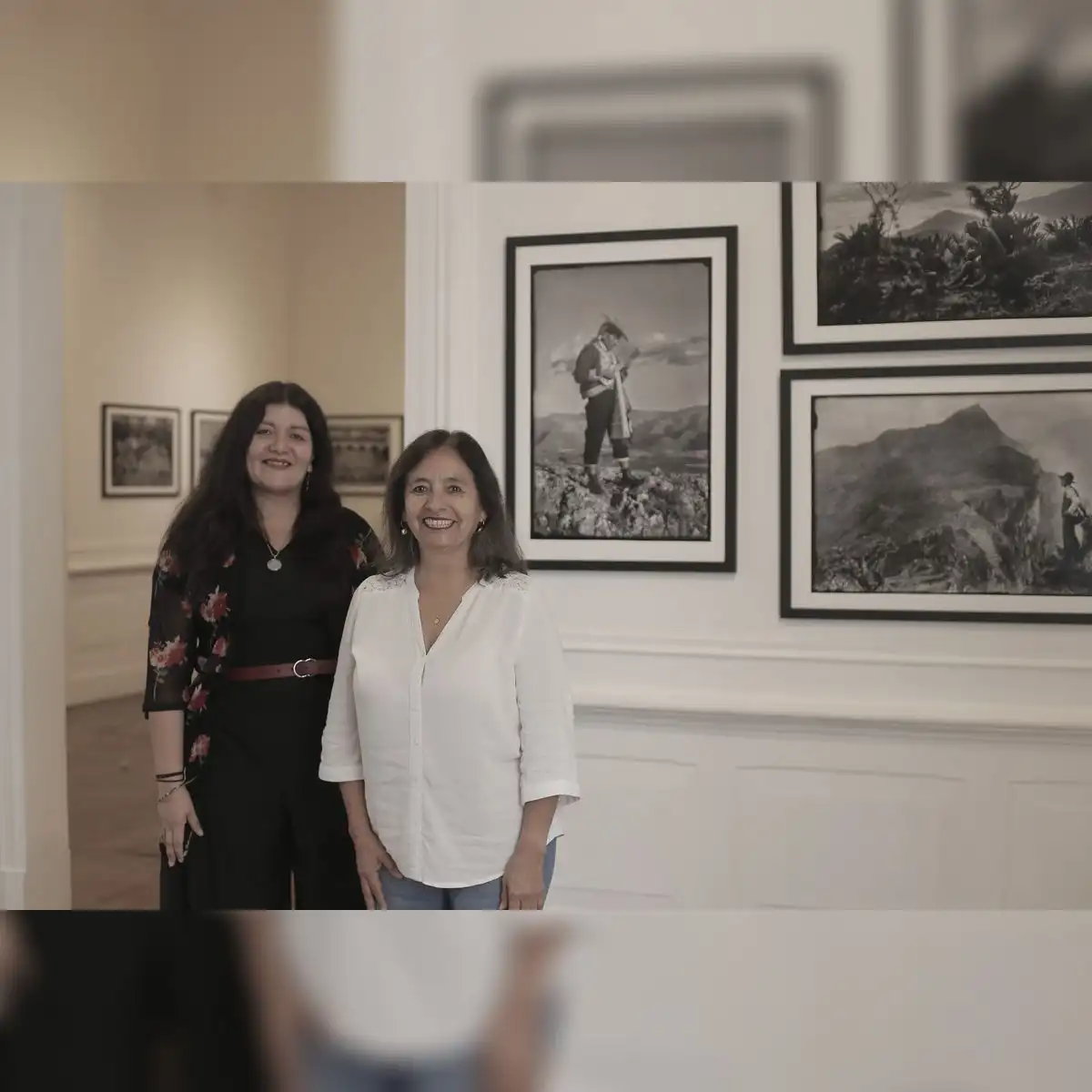
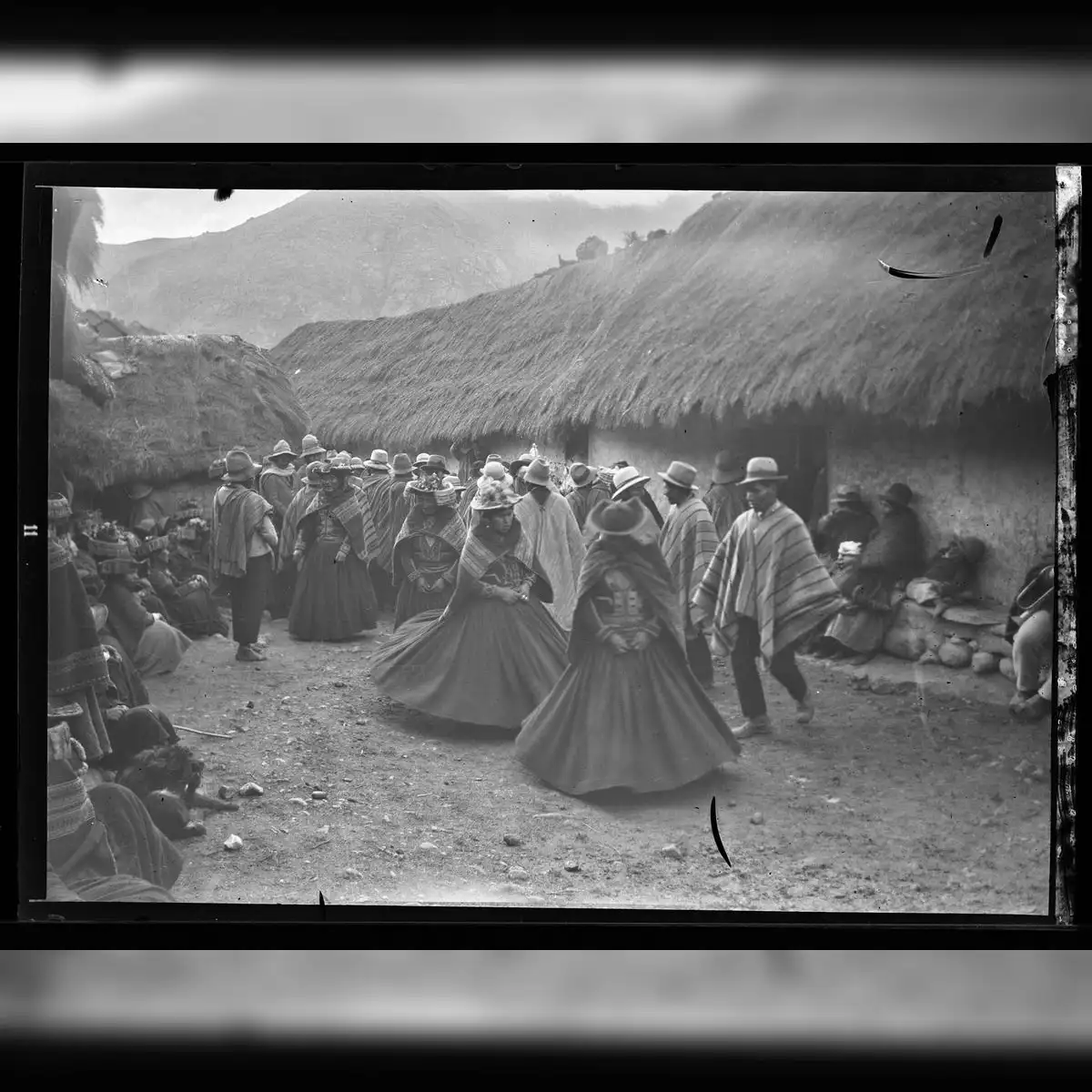
The exhibition, titled CHAMBI. Historia, oficio, archivo y legado, occupies all five rooms of the cultural center. Curators Peruska Chambi and Karen Bernedo met with reporters on the second floor of the facility to discuss the collection, which highlights the dignity, humanity, black and white imagery, and rural peasant communities portrayed in Chambi's work.
The display comes ten years after the last major exhibition of Chambi's work in Lima, which was held at the Museo de Arte de Lima between October 2015 and February 2016. That previous exhibition was curated by Natalia Majluf and Eduard Ranney. The new show arrives during a period marked by high quality and volume in Peruvian photography.
Archive conservation and digital catalog
Peruska Chambi, a photographer and granddaughter of Martín Chambi, said the Asociación Martín Chambi was established by his direct heirs to value his artistic legacy. She noted that the association applied for and won the United States Ambassador's Fund for Cultural Preservation in Peru to conserve his archive.
Peruska Chambi said the conservation and digitization project lasted nearly two years and resulted in a cataloged digital archive of 40,000 photographs. She added that the digitization process received advisory support from the United States Library of Congress and utilized a specialized camera purchased by the association to capture high-resolution images in various formats. She explained that this technical quality sets the current exhibition apart from previous displays of Chambi's work.
Peruska Chambi said she visited the cultural center in late 2022 to meet with Ambassador Guido Toro. She said that together with area curator Gredna Landolt, they reviewed the schedule and set the Lima exhibition four years in advance. She noted that the association had previously presented a large exhibition at the Museo Casa Concha in Cusco in 2023.
Exhibition structure and rural workshops
Co-curator Karen Bernedo said the team selected 200 photographs out of the archive to represent Chambi as a complete figure. She said the show is divided into four thematic areas covering history, craft, archive, and legacy, with one room focusing on the technical dimension of his craft. She noted that thousands of photographs remained outside the selection and that the archive could support hundreds of distinct exhibitions without repeating topics.
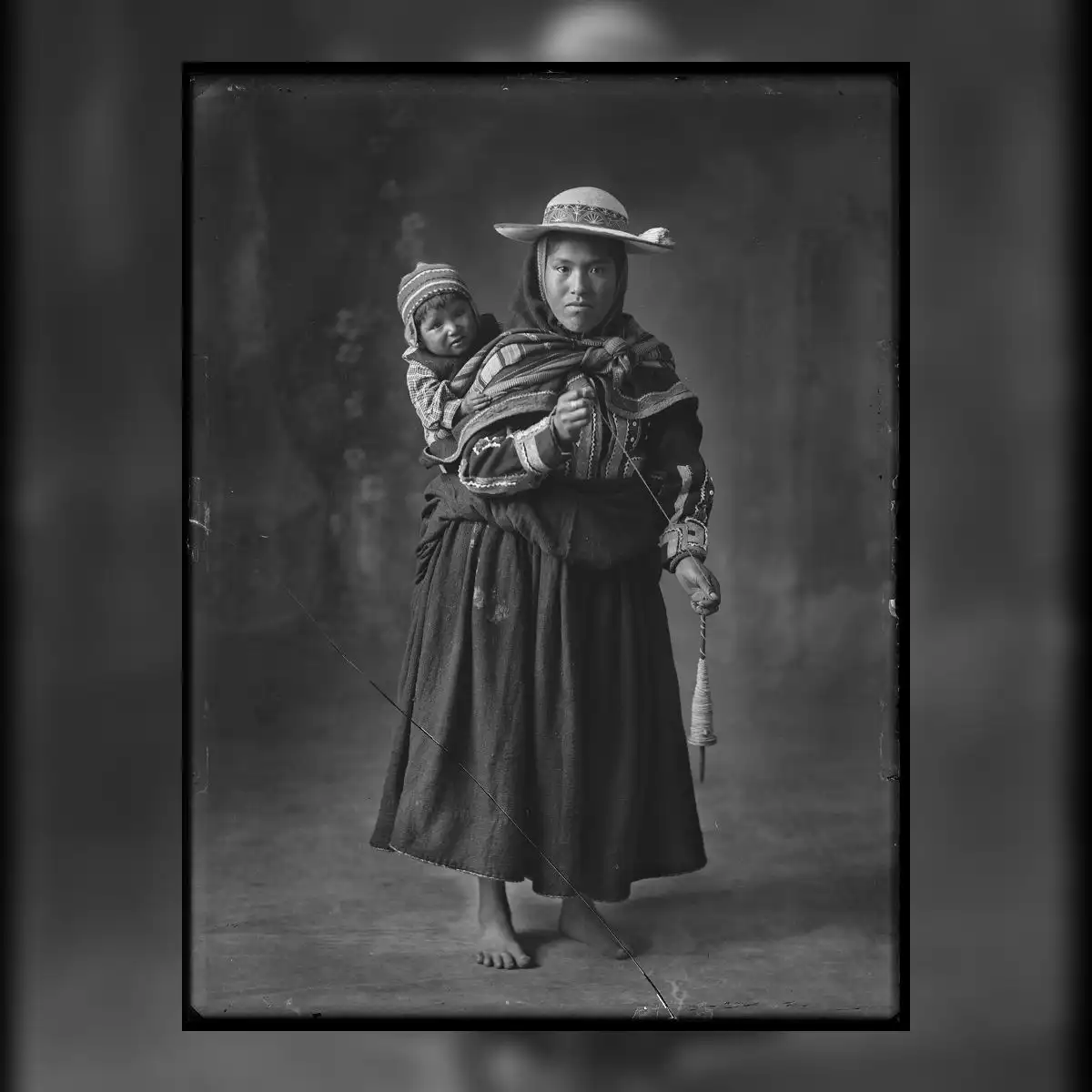
Peruska Chambi said the association pairs public outreach with education to make Chambi's work known across Peru, rather than solely displaying images in galleries. She said the organization conducts educational workshops in rural Andean towns, including Quispicanchi, Ocongate, and Coasa, the town where Chambi was born and where a local school bears his name. She noted that Chambi remains better known abroad than within Peru.
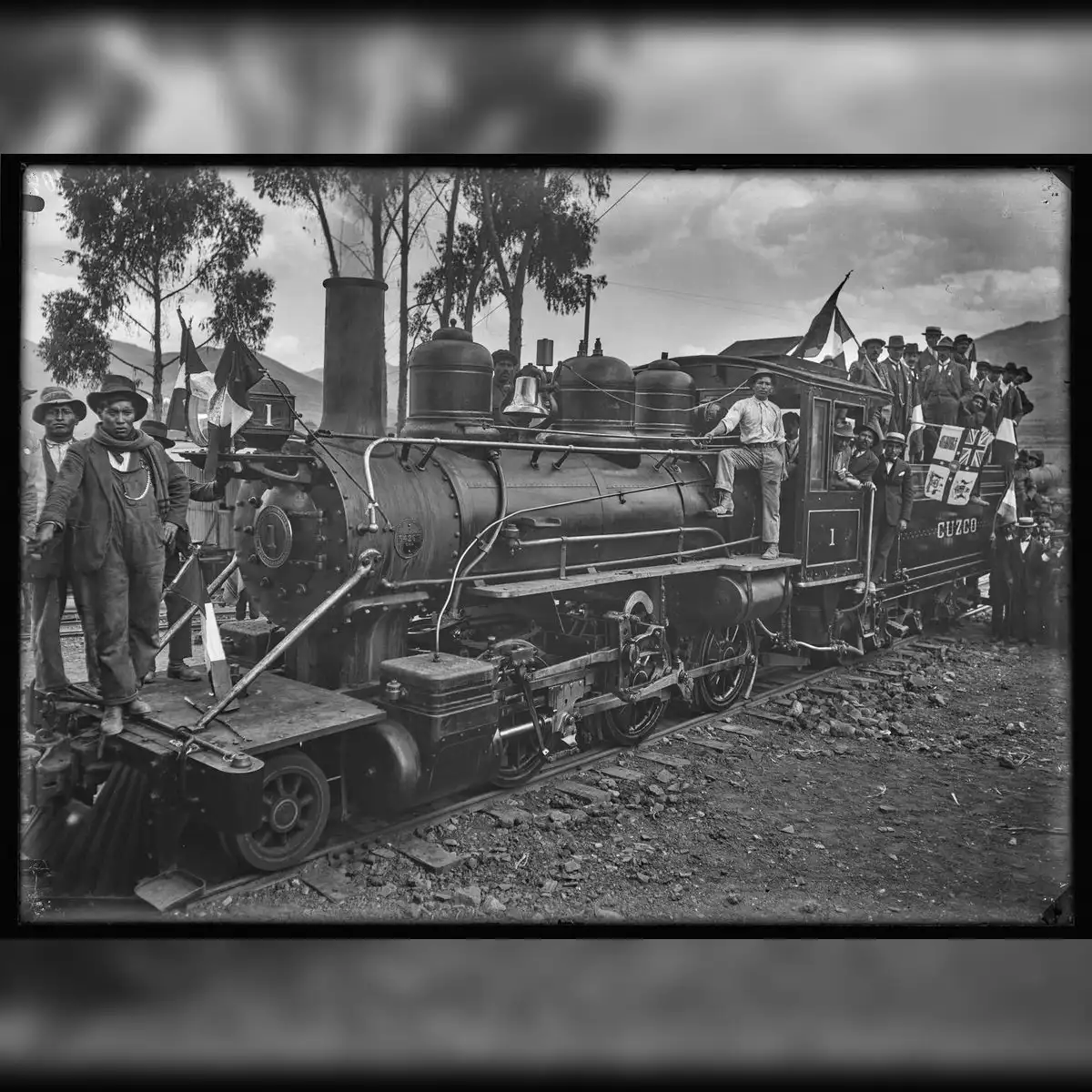
Bernedo added that while her students recognized Chambi's famous photograph of a giant, many did not know the photographer's name. She said the archive contains scenes of daily family life, weddings, potato harvests, markets, workers, and young women in cars, reflecting a social commitment that could form the basis of large-scale state educational projects.
Self promotion and historical legacy
Peruska Chambi addressed historical narratives regarding how Chambi's work became known globally. She rejected assertions that Chambi was only rediscovered in the mid-1970s or that his international fame began with his 1979 exhibition at the Museum of Modern Art in New York. She stated that Chambi managed his own career as a cultural entrepreneur, having learned both technical skills and cultural management from his teacher Max T. Vargas.
Peruska Chambi said her grandfather understood the value of his work and instructed his children to preserve it. She noted that the physical archive has undergone eight moves over time, including four moves that Chambi conducted himself during his lifetime.
Indigenous roots and female leadership
Peruska Chambi said she researched her grandfather's biography following university and traveled the Chambi route to Coasa in the Puno region to explore her ancestral roots. During that journey, she located relatives, visited his birthplace, and discovered family photographs dating back nearly 100 years. She stressed that Chambi's artistic sensitivity stemmed directly from his origins as a Quechua speaker who integrated with rural populations, attended patron saint festivals, and traveled across Peru, Bolivia, and Chile.
Bernedo stated that Chambi's background transformed into a technical craft and a distinct social perspective, adding that he possessed a rare awareness of his future legacy. Peruska Chambi concluded by noting that this exhibition marks the first time Chambi's work has been curated by an all-woman team, led by Peruska Chambi, Bernedo, and Landolt.