Advances in the diagnosis and treatment of lung cancer are extending patient survival and changing how doctors approach even advanced cases of the disease, according to oncologist Luiz Henrique Araújo. Patients who once faced a limited survival outlook can now live for years with the disease under control.
Data from the Cancer Statistics 2026 report, published by the American Cancer Society, show this shift taking place in the United States. Among patients with metastatic lung cancer, the five-year relative survival rate rose from 2% in the mid-1990s to 10% among people diagnosed between 2015 and 2021. In regional-stage cases, the rate climbed from 20% to 37%.
Speaking to CNN Brasil during the Oncology Congress of the Americas, Araújo, regional director of oncology for Oncologia Américas in Rio de Janeiro, said the change was already visible in clinical practice, including among patients with advanced disease.
Araújo said it was striking that lung cancer, once seen as a particularly grim diagnosis, now included growing numbers of patients living three, four, five or even ten years with advanced disease, something he said used to be unheard of.
Araújo said he was currently following a patient with metastatic cancer who was close to reaching ten years since starting treatment.

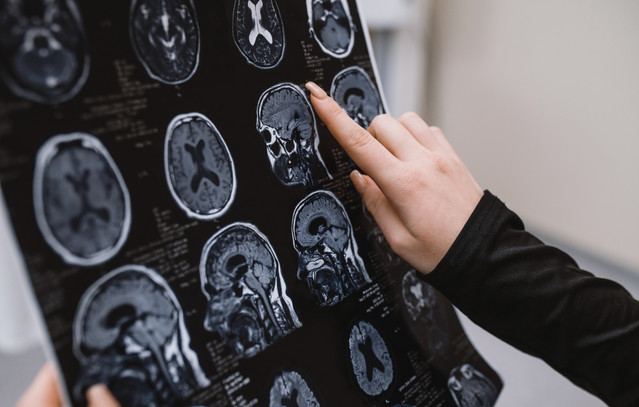
He described the case in more detail, saying the patient, who was on immunotherapy for metastatic disease with brain and whole-body metastases, would soon reach the ten-year mark, a outcome he said simply did not used to happen.
Individual cases do not mean every patient with advanced lung cancer will reach that survival span. But the American Cancer Society data point to a meaningful improvement across the wider patient population over recent decades. The report itself notes that some of the largest gains occurred in cancers historically linked to high mortality and in patients diagnosed at advanced stages.
Immunotherapy helped change the picture
Araújo said no single breakthrough was responsible for the transformation. Earlier diagnosis, less invasive surgery, radiotherapy and a deeper understanding of the biological characteristics of tumors have all contributed to changing treatment.
In clinical oncology, however, he pointed above all to the arrival of immunotherapy. He said that among systemic therapies, immunotherapy was essentially what turned the tide.
Unlike traditional chemotherapy, immunotherapy works by stimulating or restoring the immune system's ability to recognize and fight cancer cells. Araújo compared the process to giving the body a new set of instructions, likening it to a vaccine that makes the body reinterpret the threat and attack it, so that the body learns how to deal with it.

The progress is not limited to immunotherapy. So-called targeted therapies, designed to attack specific molecular features present in certain tumors, have also expanded treatment options.
According to the American Cancer Society, gains in cancer survival in recent decades stem from a combination of reduced smoking rates, earlier diagnosis and better treatments.
Lung cancer remains one of the deadliest
Despite the progress, the numbers do not mean lung cancer has stopped being a serious disease.
The American Cancer Society estimates that lung cancer will remain the leading cause of cancer death in the United States in 2026, causing more deaths than colorectal and pancreatic cancers, the second and third most common causes, combined.
In addition, about three in four lung cancer patients are diagnosed after the disease has already spread beyond the organ.
Araújo said it was precisely in that context that being able to follow some patients for many years represented a significant shift in medical practice.
He said it was not a revolution, but that in the time it takes to blink, the small advances that make up science add up. And when you blink again, he said, you realize it truly has been revolutionary.