


Canadian supermodel Linda Evangelista experienced a rare medical reaction known as paradoxical adipose hyperplasia following non-invasive CoolSculpting procedures, resulting in expanded and hardened fat tissue across treated areas of her body. The fashion icon underwent multiple fat-freezing sessions between 2015 and 2016 targeting her chin, thighs, back, and bra area in an effort to reduce localized fat deposits without undergoing surgery.
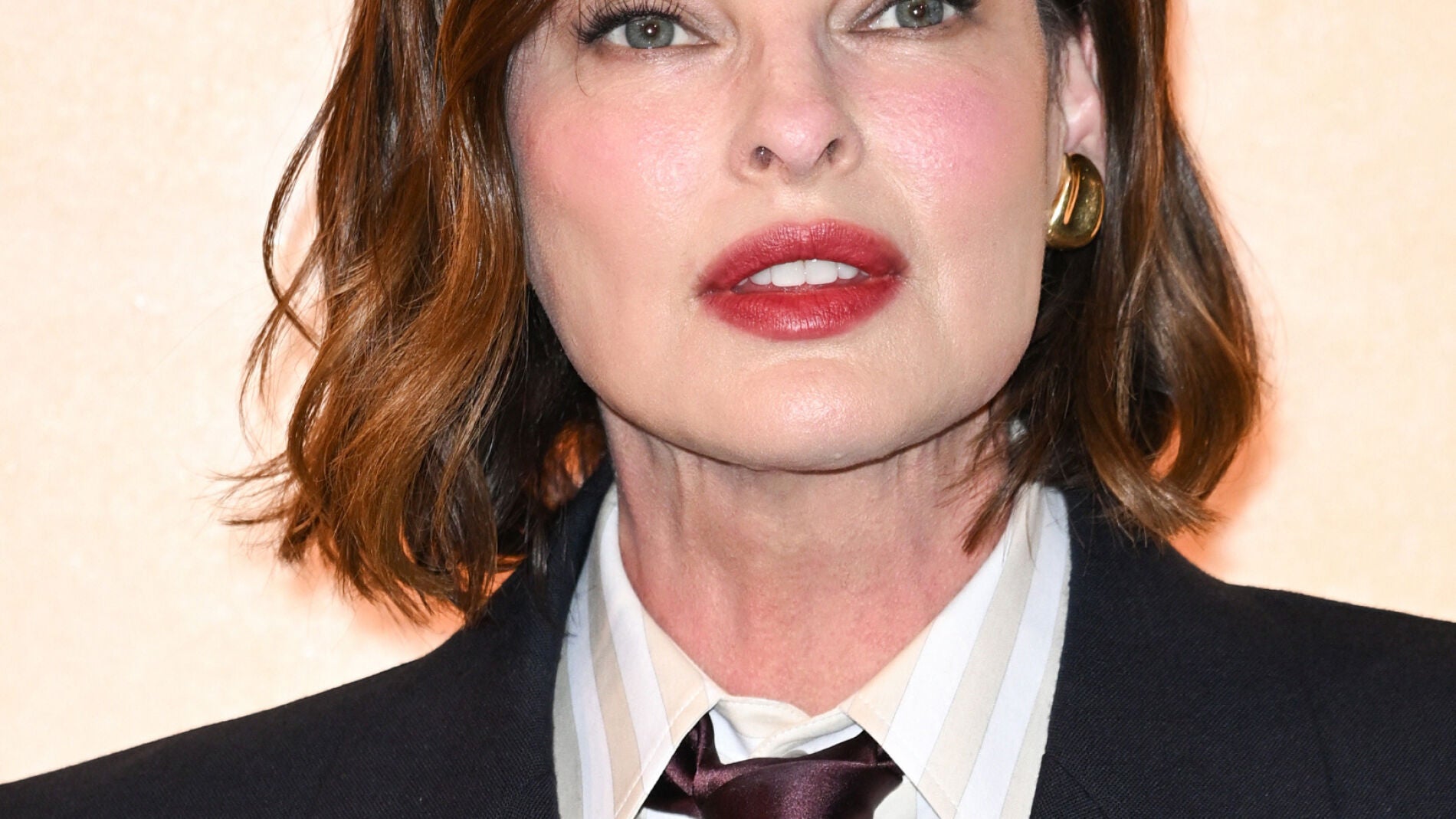
Following the adverse outcome, Evangelista filed a 50 million dollar lawsuit in 2021 against Zeltiq Aesthetics, the manufacturer of CoolSculpting. In her lawsuit, she alleged that she had not been informed of the risk of developing paradoxical adipose hyperplasia prior to the treatments. The legal action concluded with a settlement agreement in July 2022, though the financial terms of the resolution were kept confidential.
Instead of reducing fat in the targeted regions, the treatment caused the model's adipose tissue to grow larger and harden into visible masses. Evangelista publicly explained that the physical changes left her feeling unrecognizable. She subsequently underwent two corrective surgical operations to address the complications, but reported that neither procedure succeeded in fixing the problem.
Development of paradoxical adipose hyperplasia
CoolSculpting relies on cryolipolysis, a cosmetic technique that uses controlled cold to damage targeted fat cells so they are gradually eliminated by the body. Designed as a non-invasive alternative to surgical liposuction for removing small fat deposits, the procedure carries the rare risk of paradoxical adipose hyperplasia.
When paradoxical adipose hyperplasia occurs, treated fat tissue increases in volume rather than shrinking and develops into a firm, raised mass. The condition has a distinct feature where the affected area can grow into a shape that closely reproduces the physical geometry of the treatment applicator used during the session.
According to the U.S. Food and Drug Administration, paradoxical adipose hyperplasia is a recognized but rare complication that typically becomes apparent between two and five months following treatment. The regulatory agency states that the hardened tissue does not resolve on its own, leaving surgical removal as the necessary treatment for affected patients.

Supermodel career and corporate litigation
Evangelista rose to fame during the 1980s and 1990s as one of the world's most prominent supermodels, appearing on hundreds of magazine covers and leading major international fashion campaigns. Zeltiq Aesthetics, the medical technology company named in her lawsuit, developed and marketed the CoolSculpting system prior to its acquisition by global healthcare firm Allergan.
The high-profile lawsuit drew global attention to safety standards and disclosure requirements in the cosmetic procedure industry. Medical aesthetics procedures, even when non-invasive, fall under regulatory oversight by public health bodies including the Food and Drug Administration.
Challenges of corrective cosmetic surgery
Resolving paradoxical adipose hyperplasia through surgery is significantly more complex than initial non-invasive treatments. Corrective procedures often require surgical excision or specialized liposuction tailored to the volume, distribution, and skin condition of the affected area.
Surgeons attempting corrective procedures cannot work on intact anatomy, as previous treatments leave behind tissue fibrosis, altered skin quality, and contour irregularities. As a result, what began as a simple procedure to avoid surgery can ultimately require delicate and complicated surgical reconstruction.
Medical experts emphasize that non-invasive cosmetic procedures carry inherent medical risks despite requiring no scalpel. Evangelista's experience highlighted the importance of proper medical assessment, full disclosure of potential risks, and careful post-procedure follow-up for all aesthetic treatments.


