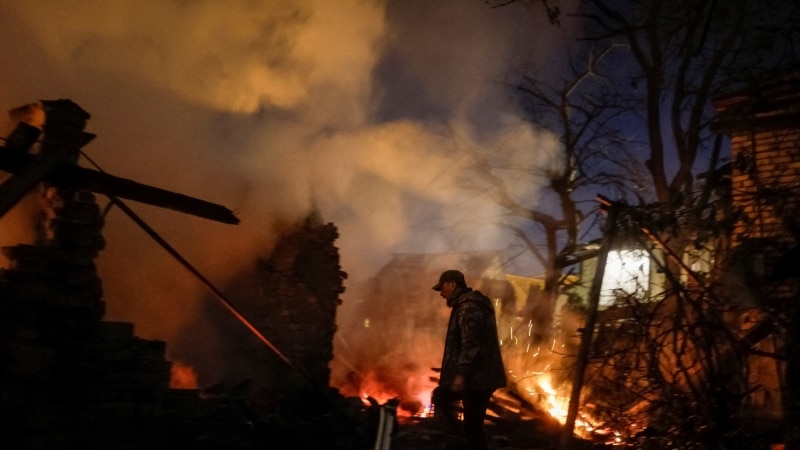
At least two people died in Kyiv during a combined Russian air strike overnight on October 7, 2026, according to the city military administration.
The fatalities occurred in the capital Darnytskyi district as Russian forces targeted multiple regions across Ukraine with missiles and drones.
Kyiv Mayor Vitali Klitschko reported strikes across several areas of the capital throughout the night. Klitschko said that impacts occurred on non-residential development territory in the Obolon district and on warehouse premises in the Podil district.
In the Darnytskyi district, burning debris was recorded in an open area, while another hit struck non-residential territory in the Shevchenkivskyi district. Klitschko, a former heavyweight boxing champion who has served as mayor of Kyiv since 2014, detailed the emergency responses across the capital.
Strikes Recorded in Dnipro and Zaporizhzhia
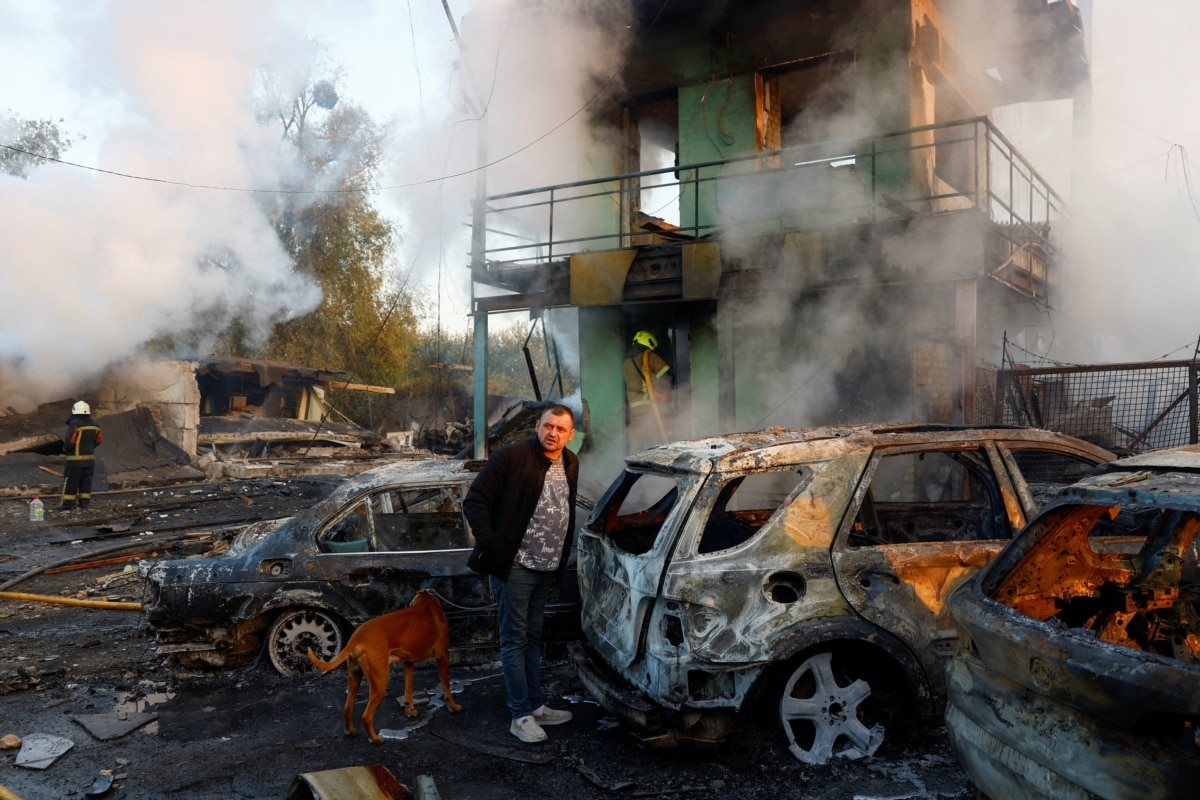
Russian forces also launched strikes against major industrial and transit hubs outside the capital, including the central city of Dnipro and southeastern Zaporizhzhia.
Oleksandr Hanzha, the head of the Dnipropetrovsk Regional Military Administration, stated at 4:22 a.m. that enemy forces struck an industrial enterprise in Dnipro. Hanzha added that officials were clarifying information regarding casualties and urged residents to remain in safe locations until air alarms ended.
In Zaporizhzhia, acting regional military administration head Mykhailo Semikin stated that Russian forces struck a transport infrastructure facility. Semikin warned that temporary traffic restrictions were possible on specific road sections due to the damage and urged citizens to monitor official updates.
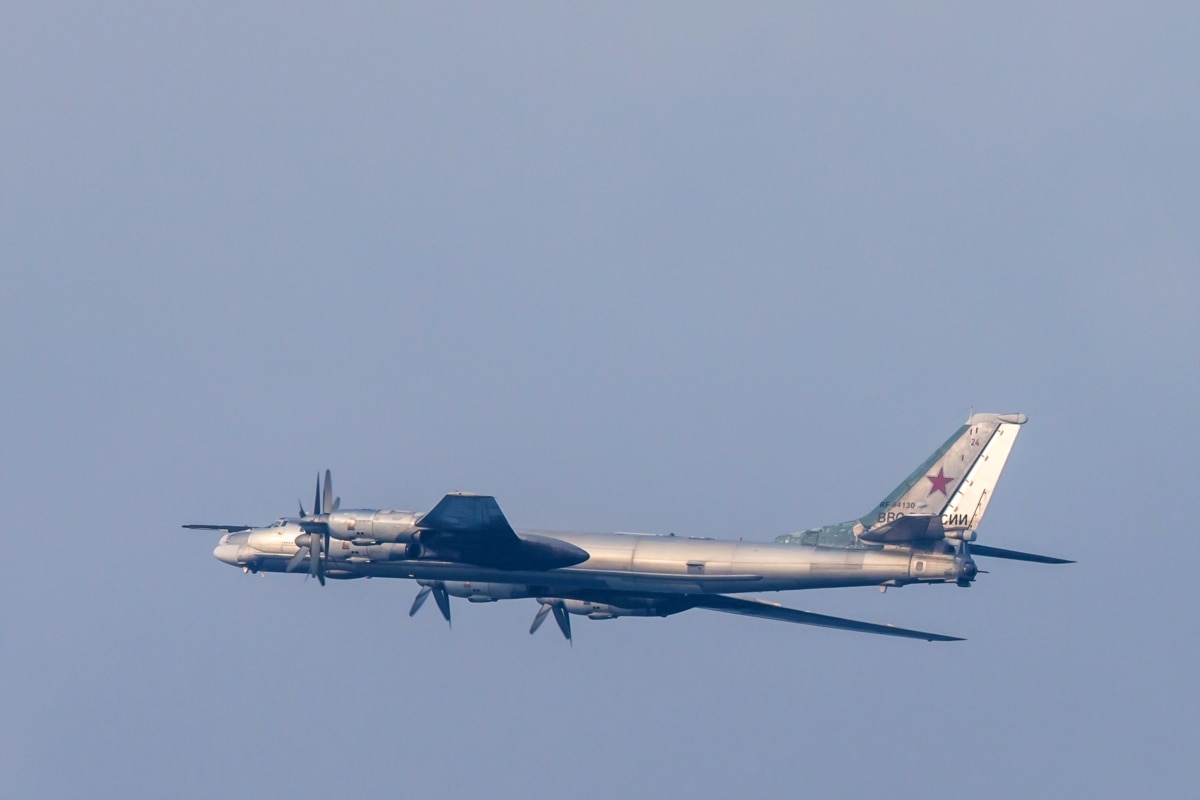
As of 6:30 a.m., Ukrainian authorities reported that the air attack remained active, with dozens of Russian missiles and strike drones remaining in the air. The Ukrainian Air Force also reported the takeoff of a group of Russian Tu-160 strategic bombers. The Tu-160 is a heavy supersonic variable-sweep wing bomber developed during the Soviet era.
Widespread Attacks and Legal Classifications
Russian military forces regularly attack Ukrainian population centres and civil infrastructure across all regions of Ukraine using strike drones, missiles, guided aerial bombs, and multiple launch rocket systems.
Ukrainian authorities and international organisations classify these recurring bombardments as war crimes committed by the Russian Federation, emphasizing that the strikes are deliberate.
Legal experts, genocide researchers, and human rights defenders state that attacks on essential utilities and medical facilities are intended to deprive civilians of electricity, heating, water, communications, and healthcare. They contend that such actions constitute evidence of genocidal actions under international law.
Allegations of Genocide and International Law
Human rights researchers and legal scholars point to multiple actions by Russian authorities during the full-scale conflict that fit the legal definition of genocide.
These actions include public statements by Russian leadership declaring that Ukrainians do not exist as a distinct ethnic group, public calls for the destruction of Ukrainians, and the systematic targeting of civilian life support systems.
Legal experts also cite the persecution of pro-Ukrainian residents in occupied areas, the targeting of cultural leaders and educators, the imposition of Russian education systems to alter children identity, the forced deportation of parentless children to Russia, and the destruction or theft of Ukrainian books and museum artifacts.
The United Nations Convention on the Prevention and Punishment of the Crime of Genocide, adopted by the UN General Assembly in 1948, defines genocide as acts committed with the intent to destroy, in whole or in part, a national, ethnic, racial, or religious group.
The treaty currently has 149 state parties bound to prevent and punish acts of genocide during both war and peacetime. Recognized genocidal acts include killing group members, causing serious bodily harm, deliberately inflicting destructive living conditions, preventing births, and forcibly transferring children.
Russian leadership continues to deny that its military targets civilian infrastructure, kills civilians, or destroys hospitals, schools, kindergartens, energy facilities, and water networks in Ukraine.