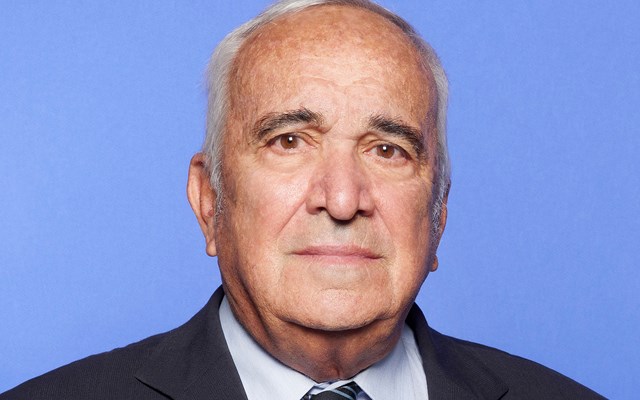
Greek journalist Giorgos Kraloglou, writing in a commentary for the financial news outlet Capital.gr, said Greece's government and opposition parties will avoid confronting the country's cost-of-living crisis head-on until after the next general election, expected in 2027.

Kraloglou wrote that only the most naive observer would expect a real crackdown on high prices before the vote, since neither the ruling party nor any parties that might join a future coalition have a political incentive to act now. He said all sides would limit themselves to promises, which he described as empty words rather than substance.
He said only the government, because it carries responsibility as the sitting administration, would look for room to change the picture through last-minute gestures involving state handouts, aimed at cushioning the effect of expected new increases in energy prices, particularly fuel.
Producers warn on fuel and energy costs
Kraloglou said that if asked, producers across farming, industry and small manufacturing would make clear they could not absorb further increases in fuel and energy costs. He said their message was that they were waiting to see how the government would help them get through the winter with prices as they stand, since they could not withstand more increases. He added that producers had said in early summer that they would do what they could at the start of autumn, but that everything beyond that point would need negotiation.
Ruling party's dilemma before 2027
Kraloglou said his impression was that the ruling party felt it was in a difficult position over whether to begin, from October, presenting itself as heading into the election having tackled high prices and dismantled the mechanisms behind them.
He said that if the party pursued this approach, it would need to convince producers it could shield them from new increases in imported energy costs from October, with their future direction uncertain. If it did not, he said, it would enter the 2027 campaign carrying the perception that it had sat back admiring the problem of high prices since the summer of 2026, holding meetings that led nowhere and delayed a serious response until October, and now simply expressed regret.
Opposition parties and the politics of prices
Kraloglou said opposition parties would fully enter the political fight over high prices within the next two months. He pointed to Alexis Tsipras, Greece's former prime minister, as presenting high prices as the country's top national issue, and to Nikos Androulakis, leader of the PASOK party, as linking the issue to what Androulakis calls the oligarchy in Greece, which he has pledged to confront.
Kraloglou argued that current rhetoric from these parties would not be enough to make such a large issue disappear from public attention. He warned that if opposition parties pushed the issue too aggressively now, they would be bound by their own promises and unable to walk them back later, as he suggested had happened with similar pledges in the past.
'High prices are here to stay'
Kraloglou concluded that, based on the defenses currently in place against continuing price rises, it was worth repeating that high prices had come to stay in Greece. He said this was the pattern that always played out in the country, and that elections alone would not fix what he described as a broken system.