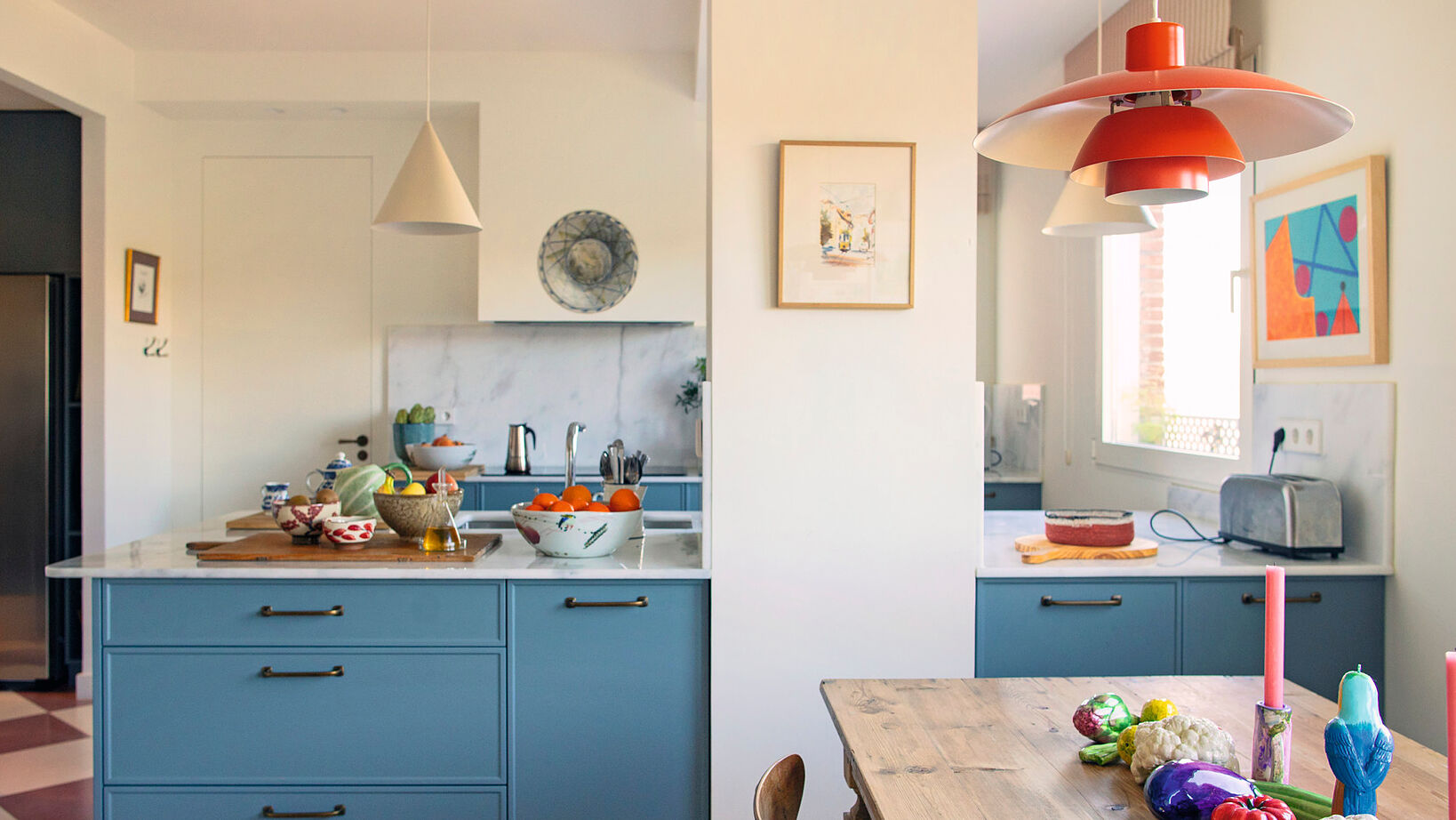
Minimalist kitchens that hid every appliance behind closed cabinet doors are giving way to lived-in spaces where coffee makers, kettles, toasters and kitchen gadgets are left out on display as part of the decor, according to design executives at appliance maker Smeg and kitchenware brand Lékué.
For years the aspirational kitchen was defined by paneled refrigerators, small appliances tucked away in cupboards, and completely clear countertops. That standard is shifting as open-plan kitchens connected to the living room become more common and the kitchen is increasingly treated as the true center of the home. The question is no longer how to hide these items, but which ones are worth showing off.
Catherine López, marketing director of Smeg in Spain, said the kitchen has established itself as the real heart of the home. As the space has moved from being purely functional to becoming a place for gathering and everyday experiences, design has shifted from being a complementary attribute to a decisive factor in many purchases, she said.
From appliance to decorative object
Not every product left on a countertop is meant to be decorative, López said. The difference lies in an item's ability to convey personality through details such as proportions, materials, color and finishes. She pointed to the retro-styled toaster and coffee maker collections inspired by the 1950s, which have become decorative icons capable of giving a kitchen character even when not in use.
Timelessness is another key factor, according to Smeg. An appliance becomes a true design piece, the company said, when it keeps its appeal over the years, fits with the space around it, and adds personality without losing its usefulness.
Natalia Cabrera, general manager of Lékué, said the same principle applies to kitchen utensils and accessories. An object goes beyond its function, she said, when it solves a need simply while also being pleasant to look at every day. She said Lékué believes design and functionality carry equal weight: design draws people in and creates an emotional connection with a product, while functionality is what earns that product a lasting place in daily life. She added that a multidisciplinary team works on each Lékué product in line with the brand's mission and values.
Cabrera identified three essential ingredients for such objects: a function that is well resolved, quality materials, and a carefully chosen color. That philosophy, she said, explains why glass containers, reusable bottles and cooking accessories end up taking pride of place on shelves and countertops. An object transcends its use, she said, when it solves something simply and cleverly and is also a pleasure to have in view.
Matte finishes and nature-inspired colors
If today's dominant kitchen aesthetic could be summed up in one idea, it would be less flash and more connection with the surrounding environment. Neutral tones are no longer the only option. Deep greens, storm-tinged blues, earth tones and finishes inspired by natural materials are gaining ground, alongside a return of stainless steel.
Smeg said one of the most significant trends is a shift toward matte finishes and soft, almost velvety textures, in a color palette that includes emerald green, storm blue and amber clay, which suits kitchens designed as warm, welcoming spaces. López said these tones coexist with classics such as matte black and white, creating a palette that combines personality with sophistication. She said such colors allow for harmonious spaces, mixing of materials and small design accents without needing to overhaul the whole kitchen, and that Smeg continues to favor rounded lines and chrome details that connect its design heritage with contemporary trends.
The push for a more sensory experience is also reflected in materials, with glass, stainless steel and high-quality silicone becoming key tools for brands trying to balance looks, durability and function. Cabrera said material choice is increasingly tied to concerns about wellbeing and sustainability, with consumers weighing food safety, durability and environmental impact alongside appearance. She said current kitchen design trends are shaped by the wider global context, including social and environmental challenges that affect consumption habits, and that growing concern for the planet now extends beyond sustainability to health, safety, efficiency and emotional wellbeing, pushing consumers toward more conscious and responsible choices.
Fewer appliances, but more versatile
Despite the enthusiasm for design-led appliances and accessories, the trend does not mean filling kitchens with more gadgets. Instead, shoppers are increasingly looking for multifunctional solutions that save space and simplify daily routines, with versatility becoming a new kind of luxury, particularly in homes where kitchens are shrinking and every object has to earn its place.
Display or hide?
Minimalism still has plenty of supporters, and visually clear kitchens remain the goal for many interior design projects. But the growing presence of carefully designed small appliances, kitchenware and accessories has opened up a middle ground between strict order and clutter. A countertop can stay organized while still showing off a sculptural coffee maker, a colorful kettle or a set of specially designed accessories.
With the kitchen now one of the most photographed, lived-in and shared spaces in the home, it follows that everyday kitchen objects are expected to be more than just useful. They are also meant to look good, and increasingly, to double as decoration.
Test yourself
According to the article, what kitchen design shift is taking place?
Who is quoted as marketing director of Smeg in Spain?
What three ingredients did Natalia Cabrera say make an object transcend its function?
Have your say
Do you prefer kitchen appliances hidden away or left on display?