

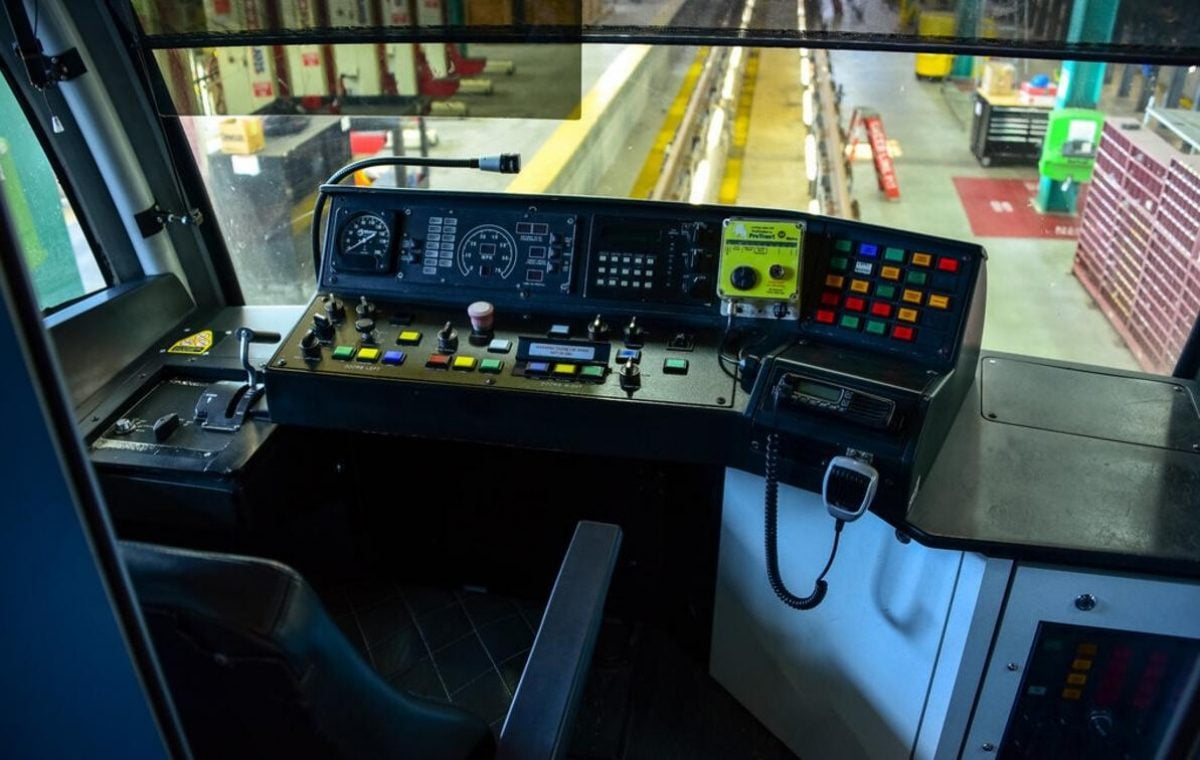
Locomotive drivers in Hungary are earning average monthly salaries exceeding one million forints ($3,172), according to the latest detailed occupational figures released by the Central Statistical Office of Hungary (KSH).
Reporting on the official statistical data, news outlet Kertvar noted that on an annual basis, total average earnings for train drivers in the country reach $39,650.

The figures highlight a lucrative wage bracket in Hungary, a Central European nation where official salaries are calculated in the Hungarian forint. The Central Statistical Office, known locally as KSH, serves as the primary authority responsible for tracking national wage metrics, labor trends, and economic indicators across industrial sectors and public services.
Kertvar emphasized that the one million forint benchmark is a national average across the entire profession rather than a fixed sum received by every worker each month. Actual pay packet amounts vary depending on an individual driver's level of experience, their specific employer, assigned work schedules, and performance or role allowances.
Safety standards and shift patterns
The high level of pay is directly tied to the heavy responsibility placed on locomotive operators. Drivers are tasked with managing heavy rail equipment and ensuring the safety of passengers and cargo across national rail lines. To hold the position, drivers must strictly follow rail safety regulations, maintain specialized technical qualifications, and pass mandatory medical fitness examinations.
Work schedules for train drivers also differ significantly from standard commercial roles. Duties rarely conform to a classic Monday through Friday workweek, as national railway networks operate continuous services. Drivers frequently work night shifts, weekends, and public holidays, with shift differentials and non-standard hours adding to overall compensation.
Data coverage and statistics timeline
The publication noted that comprehensive figures regarding average salaries by profession for the complete year of 2026 are not yet available from statistical authorities.
As a result, the published monthly and annual amounts are drawn from the latest detailed occupational data currently available from KSH, rather than representing a finalized full year average for 2026.


