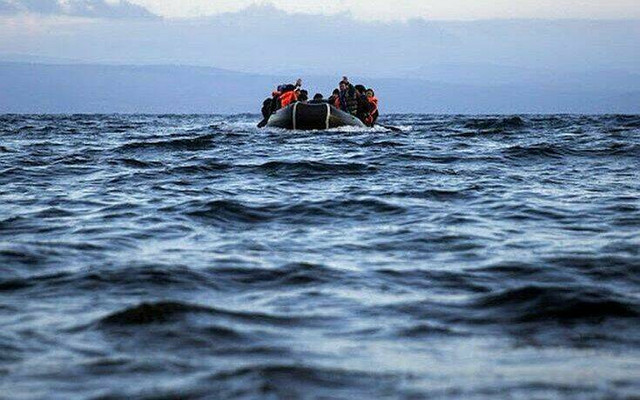
Hundreds of asylum seekers sent back to France under the United Kingdom's "one in, one out" migration deal have disappeared from the monitoring system, according to human rights organisations.
Among them, the groups say, are at least 41 children and young people whose ages had been disputed by British authorities. They were reportedly transferred to France despite objections that they should not have been subject to the scheme in the first place.
The allegations emerge weeks before the pilot agreement between London and Paris is due to end on 1 October, with no indication yet of whether it will be renewed or replaced.
A deal billed as a milestone
The agreement was announced in July 2025 by the then British prime minister, Keir Starmer, and French President Emmanuel Macron. Under the arrangement, for every asylum seeker who arrives illegally in the United Kingdom on a small boat across the English Channel and is returned to France, another asylum seeker can be legally transferred to Britain from French territory.
Starmer's government described the deal as "pioneering," saying its aim was to curb dangerous Channel crossings.
The figures suggest its reach has so far been limited. Since September 2025, around 1,400 people have been returned to France, a figure equivalent to roughly 4% of the 32,000 people who crossed the Channel by small boat since the agreement was signed.
Claims of missing children
The organisation Humans For Rights Network says it has recorded, together with other non-governmental organisations, at least 41 children and young people whose ages were disputed and who were returned to France.
The group's director, Mandy Harris, said the transfer of unaccompanied minors to France through the scheme was shameful. At least 41 children have been removed from the United Kingdom to France and their current whereabouts are unknown, she said, adding that many of them had already experienced violence and exploitation.
The UK Home Office categorically rejected the allegations, saying no individual whose age is in dispute has been returned to France. A Home Office spokesperson called the claim categorically untrue, noting that every detainee is informed of their right to legal representation and that age assessments are carried out.
French authorities: only 200 still in contact
French politicians have said, according to reports, that of those returned to France only around 200 remain in contact with the authorities.
The rest, according to the same sources, have either gone underground or moved on to other European countries.
People who were sent back to France say they left the system because they feared how they would be treated by the authorities, feared pressure to return to their countries of origin, or feared being transferred to other European countries under the Dublin regulation rules.
The UK Home Office said responsibility for what happens to people after their return lies with the French authorities. The French Interior Ministry did not comment on the allegations.
"Trauma on top of trauma"
At a session of the British Parliament where the allegations were discussed, aid organisations raised concerns about the condition of people being returned to France.
Nihal Osman, a programme coordinator with Medecins Sans Frontieres, said many asylum seekers arrive in France in a particularly difficult psychological state, presenting symptoms including severe anxiety, panic attacks, suicidal thoughts and psychological breakdown. What we are seeing is trauma accumulating on top of trauma, she said.
The chair of the British parliamentary human rights committee, Alex Sobel, said he was deeply concerned about the growing militarisation and policing of the French border aimed at preventing crossings to Britain.
Uncertain future for the agreement
British Home Secretary Shabana Mahmood is reportedly seeking to expand and strengthen the agreement, while France has called for a more European model so that managing returns does not fall on Paris alone.
However, according to French officials, efforts to share the responsibility with other European countries have so far not succeeded.
As the expiry date of the agreement approaches, the British government faces pressure both for a tougher immigration policy and for stronger safeguards to protect vulnerable groups.