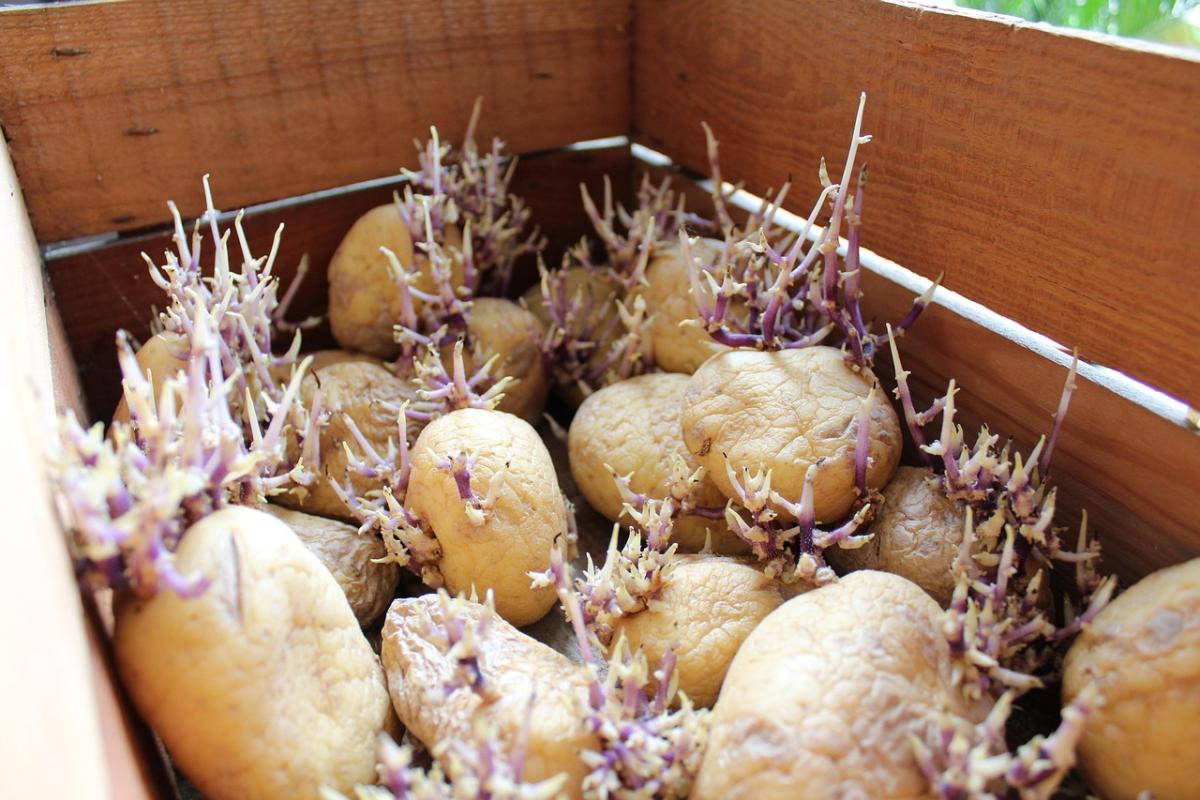
Potato lovers know the disappointment: a sack bought from the shop sits in the pantry, and by the time it's needed for dinner the tubers have gone soft, wrinkled, and sprouted. The outlet ncultura has shared a trick that it says can help keep potatoes fresh for longer, centred on an unlikely kitchen companion: the apple.
Apples release ethylene, a natural gas produced by certain fruits as they ripen. This compound can affect potatoes during storage, including how quickly they sprout. But there is a catch many people do not know about: the effectiveness of this trick is disputed, and some potato storage guides actually recommend keeping apples well away from potatoes.
Can potatoes be stored with apples?
An experimental study published in 2024 looked at storing potatoes alongside apples for 30 days at room temperature, around 23 degrees Celsius. The results were striking. Potatoes stored with apples had a sprouting rate of just 4 percent, compared with 15 percent for potatoes stored without apples. The group stored near apples also lost less weight overall.
The findings suggested that ethylene released by apples may help slow the appearance of sprouts under certain storage conditions. That does not mean simply placing an apple in the pantry guarantees long-term storage, however.
At the same time, European food storage guidance published in 2026 advises against storing potatoes near ethylene-releasing fruits such as apples, bananas and tomatoes, warning that the gas can affect taste and encourage premature sprouting under certain conditions. The apparent contradiction comes down to the complexity of the process: how a potato reacts to ethylene depends on the concentration of the gas, the variety of potato, the temperature and how long the exposure lasts.
How to store potatoes until spring without a cellar
For anyone looking to extend how long their potatoes last, there are four basic rules to follow.
The first is choosing a cool spot. Heat is one of the main enemies of stored potatoes: in warm conditions, natural ageing speeds up and green patches are more likely to appear. A pantry, a basement or another cool room with a fairly stable temperature works best. The usual recommendation for home storage is between 7 and 12 degrees Celsius. Potatoes should not be kept near a stove, oven, radiator or other heat source.
The second rule is keeping potatoes away from light. Prolonged exposure to light can cause greenish patches on the skin, caused by the formation of chlorophyll, and can also be linked to higher levels of natural glycoalkaloids such as solanine, which can be toxic if consumed in large amounts. Potatoes should not be left on a kitchen countertop, on an open shelf in sunlight, or in a clear plastic bag.
Third, avoid moisture. Excess humidity encourages mould and spoilage. One of the most common mistakes is washing potatoes before storing them: water left on the surface can speed up decay. It is better to simply brush off soil with a dry cloth, washing the potatoes only right before cooking.
Fourth, use a container that allows air to circulate. Potatoes need ventilation while stored, so a basket, a box with holes, a mesh bag or a paper bag works better than a sealed container. Potatoes should not be piled too high on top of one another, and should be checked regularly for signs of spoilage, since even one rotten potato can spoil the ones next to it, particularly if moisture has built up.
What not to store potatoes with
How a pantry is organised also affects how well food keeps. Vegetables and fruit are often stored together in one cupboard or basket, but some release natural substances that can harm the rest. With potatoes, particular care should be taken around apples, bananas, tomatoes, avocados and other ethylene-releasing fruit. Onions and garlic should also be kept separate, since beyond needing different storage conditions, their smell can affect the taste of the potatoes.
Can potatoes go in the fridge?
When potatoes are exposed to low temperatures, they can build up more reducing sugars, such as glucose and fructose. This becomes a problem specifically when the potatoes are later fried, roasted or boiled at high temperatures. In those conditions, the sugars can react with the amino acid asparagine and contribute to the formation of acrylamide, a substance found in some foods cooked at high heat, whose intake experts say should be kept to a minimum.
Can you eat potatoes that have sprouted?
Small sprouts on a potato do not automatically mean the whole thing has to be thrown out, but its condition needs to be checked carefully. Potatoes can develop glycoalkaloids, including solanine and chaconine, and the concentration of these can rise in green patches, sprouts and damaged areas of the tuber. The problem is that boiling, frying or baking cannot reliably remove these substances once they are present.
Several scenarios call for different responses. If a potato is still firm, with no visible green patches or signs of spoilage, the sprouts and affected areas can be cut away and the rest carefully cleaned before cooking. Small green patches should be cut out with a fairly wide margin, but if the discolouration is extensive, the potato is better thrown away. If a potato has many sprouts, or they are quite developed, it is wiser not to eat it. A potato that is too soft, wrinkled, or shows other signs of spoilage should be discarded, as should any with an unpleasant smell or rotten patches.
There is one more warning sign not to ignore: a bitter taste or a burning feeling in the mouth. If that happens while eating, the advice is to stop immediately.
Test yourself
In the 2024 study, what sprouting rate did potatoes stored with apples show compared with potatoes stored alone?
What temperature range is recommended for storing potatoes at home?
What substance can form when chilled potatoes are later fried or roasted at high heat?
Have your say
Would you try storing potatoes next to an apple to slow sprouting?