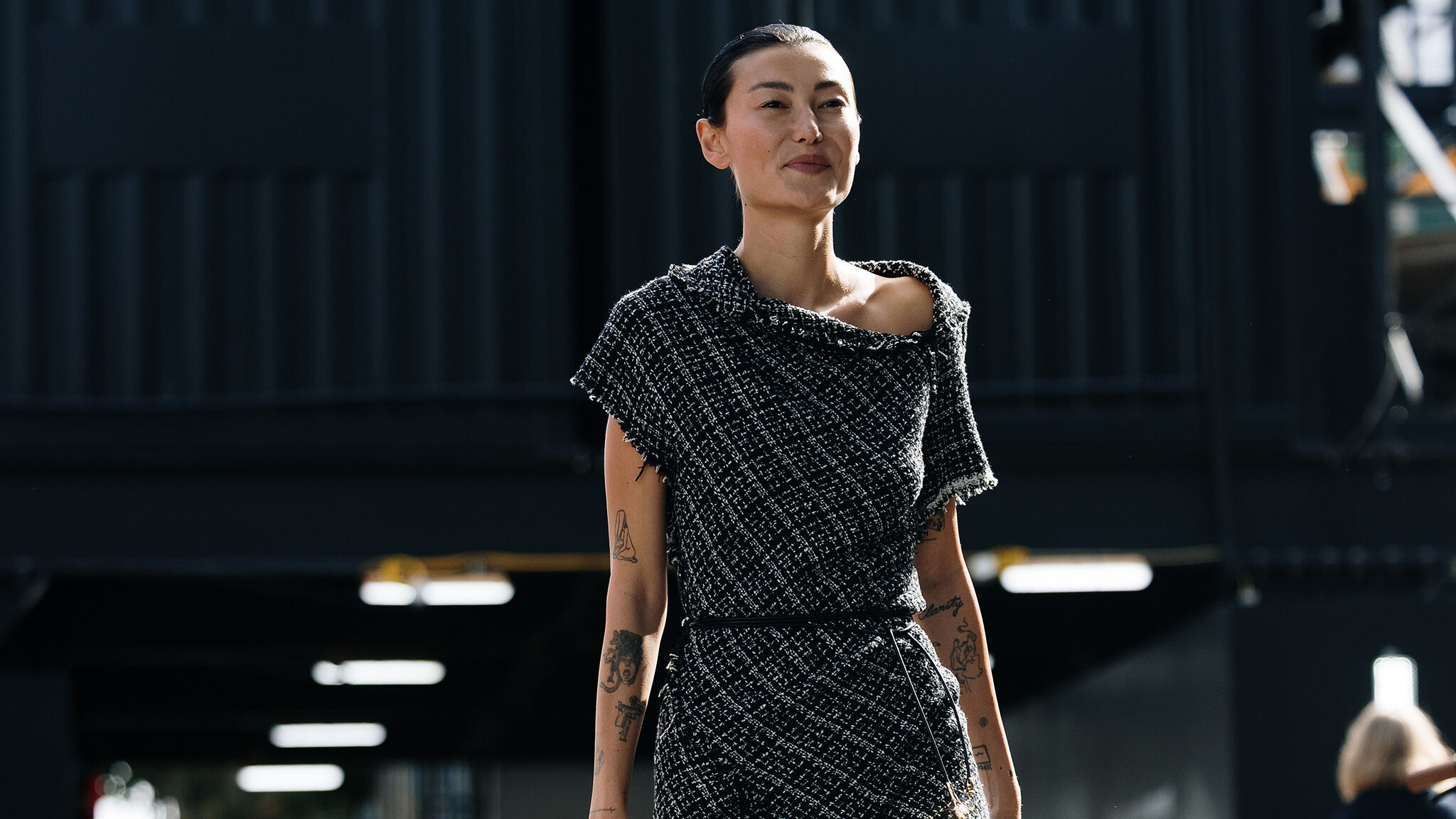
Costume designer Mirren Gordon-Crozier has revealed how she recreated the exact look of 2004 for Netflix's hit psychological drama The Body, which is set inside a Catholic high school. Gordon-Crozier, whose previous credits include the 1950s-set feminist series Lessons in Chemistry and the present-day show Margo Has Money Problems, told Vogue that dressing this particular era was new territory for her, even though she lived through it herself.
"I'd never worked on this period before, even though I lived through it," Gordon-Crozier said. "I was about the same age as these girls at the time. I know them all, in a way."

Growing up between London and New York
Gordon-Crozier grew up in London before moving to New York to study at Parsons School of Design, where she learned to read the status symbols that mattered to her American classmates. She joked that owning a Balenciaga bag was hugely important, and that it was mainly what she took away from university. That Balenciaga City bag makes an appearance in the show, alongside other early-2000s It-bags including the Dior Saddle and the Louis Vuitton x Takashi Murakami pochette.
Fashion, friendship and an outsider's arc
Gordon-Crozier said everything about that period mattered deeply to her, since it was also when she was 18 and learning how fashion could help people connect with one another. On screen, that idea plays out through Lisbeth, played by Geena Meszaros, an outsider from a Pentecostal background who uses fashion to shift from outcast to member of the school's dance team. Gordon-Crozier noted that although Lisbeth's wardrobe evolves alongside her character, she remains isolated by the end of the season. She said she does not think Lisbeth really understands pop culture or any contemporary references, and that she believes the character was simply imitating everything Anya did.
Uniform rules and hidden rebellion
Gordon-Crozier's own experience at a Catholic school shaped her approach to the costumes. She said that asserting personal style has to be very subtle when everyone wears the same skirt. In The Body, as at her own school, the girls rolled or altered their skirts to shorten the hem and accessorized their uniforms with designer bags and jewelry. Gordon-Crozier and series creator Quinn Shephard set themselves a further rule: no makeup and no jewelry except religious jewelry.
The dance team's garish uniforms
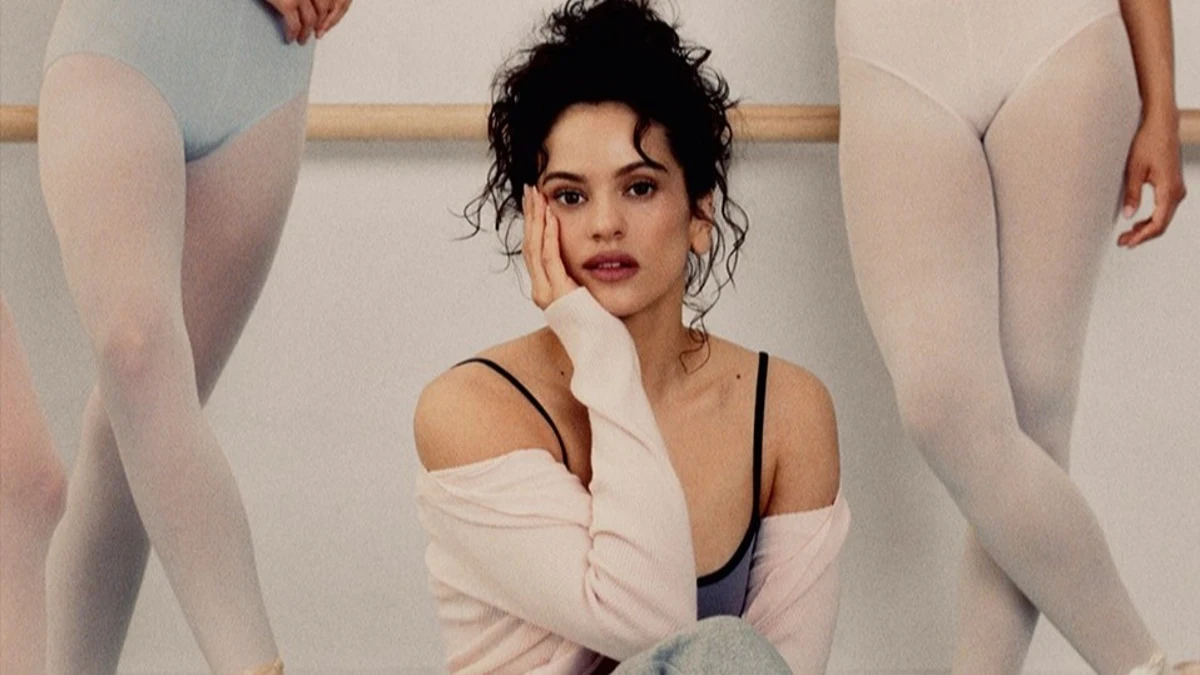
One area left no room for individuality, however subtle: the low-cut, sequined teal leotards worn by the dance team, known as the Lions, during competitions. Gordon-Crozier laughed that the girls were not fans of the costumes, to put it mildly, and that she told them they were not supposed to like them.
The inspiration came from an unexpected source. Gordon-Crozier said she had seen a photo of Chloe Sevigny in a cutout black bodysuit, probably from around the same year, paired with low-rise strappy bottoms very typical of the early 2000s. Combined with matching dance shoes, thick flesh-colored tights in exactly the wrong shade, which Gordon-Crozier said came from the same brand used by Hooters for its uniforms, and rhinestones in the hair, the look became the perfect kitsch dance costume. She said they wanted it to be as loud as possible, just like real dance competition outfits.
Casting celebrities as style references
Away from the competition floor, Gordon-Crozier assigned each dancer a specific celebrity or pop star to channel. She said Anya always reminded her of Mischa Barton and Sienna Miller, that Elise, played by Sara Boustany, drew heavily on Devon Aoki, and that Maddie, played by Shirley Chen, embodies Hilary Duff. She explained that defining each character this way made shopping and assembling outfits far easier, and that giving each girl her own color palette stopped their looks from clashing.
Building a character beyond the 2000s cliche
Gordon-Crozier said she had a particular soft spot for Elise's wilder wardrobe. She said Boustany's own taste is similarly distinctive, favoring dark, avant-garde designers such as Comme des Garcons, Plein Sud and Diesel. It was Boustany's personal style, Gordon-Crozier said, that helped round out Elise so she felt less like a 2000s stereotype and more like a real person. She said she had reference points for the character, but felt that what they ultimately created was more original, adding that the character came to life during fittings rather than through simply copying references.
Test yourself
What era and setting does The Body's costume design recreate?
What rule did Gordon-Crozier and Quinn Shephard set for the costumes?
Which celebrity did Gordon-Crozier say inspired Maddie's look?
Have your say
Does early-2000s fashion like the styles in The Body still appeal to you today?