

Lifestyle publication Your Tango has highlighted five classic hobbies enjoyed by Baby Boomers that modern youth have largely abandoned for instant digital screen time.
The outlet noted that individuals who grew up in the 1960s, 1970s, and 1980s spent their childhood and youth engaging in activities requiring patience, time, and independent creativity. Today, many of these traditional pastimes have been replaced by smartphone entertainment available at the click of a button.
Baby Boomers, born during the post-World War II demographic boom between 1946 and 1964, developed leisure habits long before personal computers, smartphones, and high-speed internet entered domestic life. Modern research shows that younger generations, including Millennials born between 1981 and 1996 and Generation Z born between 1997 and 2012, increasingly prioritize digital accessibility and immediate gratification over labor-intensive hobbies.
The shift follows earlier reporting on generational divides, which noted that Boomers routinely performed domestic chores during childhood that Gen Z members remain completely unfamiliar with today.
Jigsaw puzzles and physical collectibles
During the 1960s, 1970s, and 1980s, assembling jigsaw puzzles served as a captivating activity that could occupy an entire day. Your Tango reported that individuals completed puzzles either on their own or alongside family members, working together to match corresponding pieces. The primary goal was enjoying the assembly process rather than finishing as quickly as possible. The task required no specialized skills beyond concentration and patience.
Past generations did not have access to digital applications that could instantly preview completed images or solve puzzles automatically. In contrast, Gen Z and Millennial individuals now fill their leisure hours with fast-paced entertainment that eliminates long waiting periods for results.
Collecting physical objects was another widespread past practice. People growing up in the 1960s, 1970s, and 1980s frequently gathered baseball cards, comic books, postage stamps, and diverse memorabilia. While collectors sometimes hoped their items would appreciate in monetary value over time, financial gain was rarely the primary motive.
The value of these collections stemmed from their physical nature. Owners could hold items in their hands, arrange them on display shelves, show them to friends, and recount the backstory behind each piece. While Millennials continue to collect, many modern collections exist strictly in digital formats, such as digital books, video games, or virtual items. Although convenient, digital collections fail to generate the same emotional connection associated with physical objects.
Handicrafts and home gardening
Boredom frequently served as an engine for creativity among older generations. Baby Boomers were accustomed to inventing their own pastimes and dedicated their free time to handiwork and home projects. They knitted clothing, crafted household items, and constructed objects meant for practical use or decorative display.
Because Boomers had limited opportunities to observe hobbies through screens, they were forced to master skills independently through trial and error. Modern youth, presented with digital activities available through a few screen taps, less frequently select hobbies that demand manual labor.
Gardening and growing produce also formed a routine component of everyday life for past generations. Growing fruits and vegetables independently and presenting the harvested results on the family dining table provided clear satisfaction. Children in the 1960s, 1970s, and 1980s learned garden care directly from parents, relatives, and neighbors by observing their techniques and repeating their actions.
Although interest in gardening persists today, practicing it has become more difficult for younger adults. Many young people lack access to private land plots or lack sufficient free time. Furthermore, purchasing produce at local grocery stores or ordering home grocery deliveries has become significantly easier than cultivating crops at home.
Unstructured outdoor play and free time
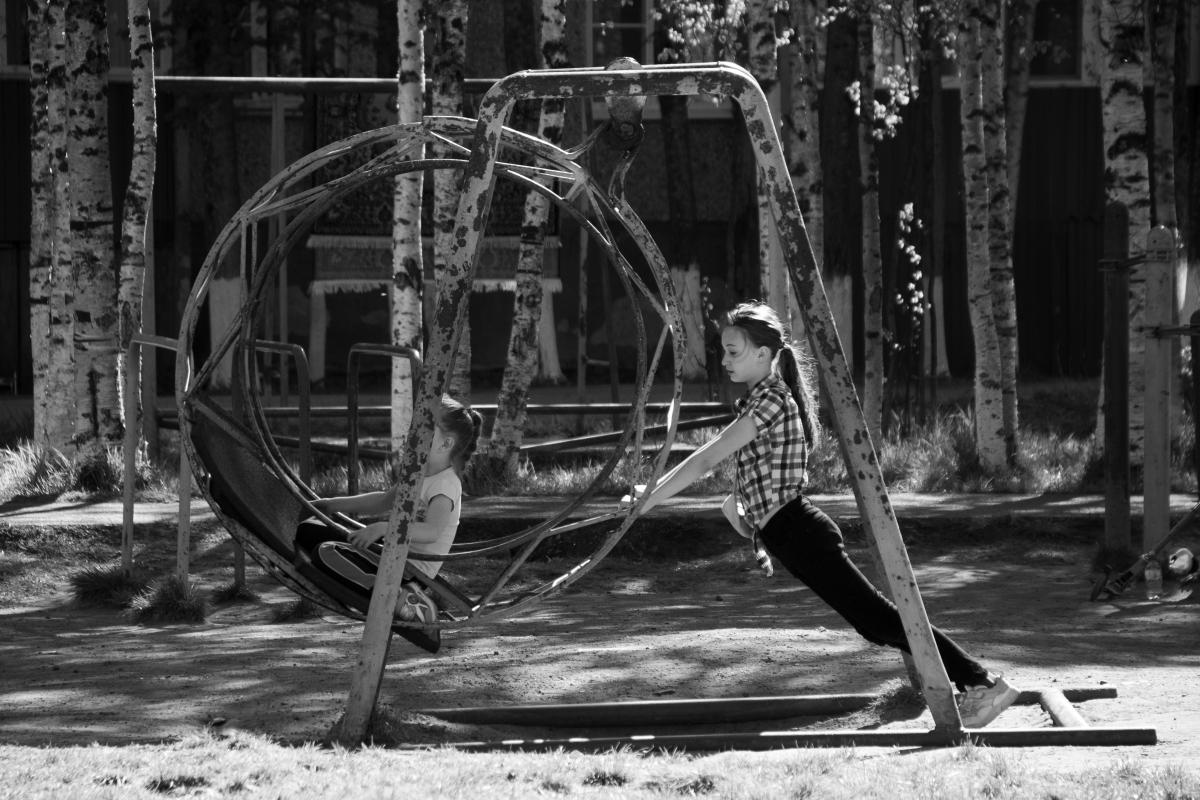
The manner in which children spend time outdoors represents another major generational shift. Older generations spent hours riding bicycles, walking around neighborhood yards, and playing with local children without structured schedules. Children simply went outside and determined their own activities on the spot.
Parents did not monitor every movement, granting children substantial personal freedom. Today, children's leisure is structured around organized sports training, after-school clubs, and adult-supervised outings.
In past decades, children were forced to devise their own entertainment, enduring periods of boredom until an imaginative idea emerged. Today, with games, videos, and endless phone entertainment accessible at all times, sitting idly and allowing boredom to spark original creativity has become far less common.


