
Shopping centres across Spain are increasingly handing over prime floor space to gyms, as shoppers trade clothes rails for yoga mats and treadmills, according to Javier Hernández, portfolio asset manager at Castellana Properties, a company specialising in the acquisition and management of shopping centres and retail parks in Spain and Portugal.
Hernández said malls had spent years evolving to meet changing consumer needs. Shopping remains a core activity, he said, but now sits alongside a growing mix of dining, leisure, services and experiences that give people new reasons to visit.

Why gyms appeal to shopping centres
The scale of the shift is reflected in global figures. The worldwide wellness economy reached 6.8 trillion dollars in 2024 and could approach 10 trillion dollars by 2029, according to data presented at the Wellness & Lifestyle Investment Forum 2026. In Spain, fitness still has significant room to grow, with penetration potentially reaching 20 to 25 percent over the next five to eight years, the same forum's experts found.
Hernández said gyms had become one of the most attractive operators for malls because they tie into people's everyday lives rather than one-off purchases. Visitors increasingly come not just to shop but to train, eat, take part in an activity or spend time with others, he said. At Castellana Properties, he added, adapting the tenant mix to match what each local community needs is now part of actively managing a property.
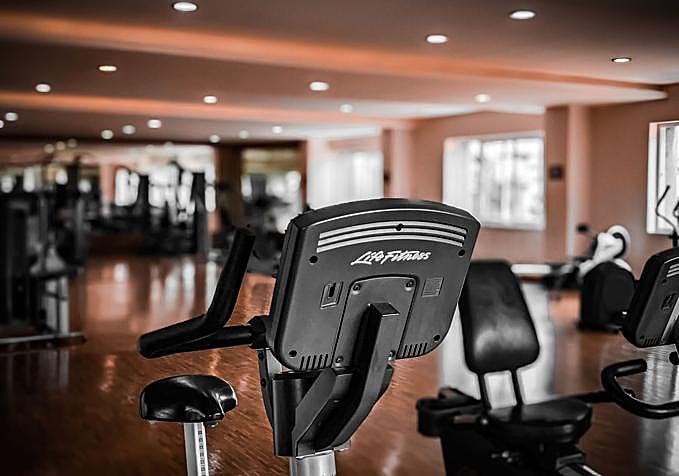
Fashion remains the main driver of a shopping centre, Hernández said, but unlike other commercial activities, a gym creates a habit of frequent visits, often several times a week. Gyms can also draw in visitors at times of day outside normal shopping hours, helping keep a centre active for longer. He cautioned that this does not mean every property should have a gym: managers first need to assess whether there is enough demand, which operators are the right fit, and how the activity integrates with the rest of the offer.
Not just a passing trend
Asked whether this amounts to a boom, Hernández said he preferred to describe it as the evolution and diversification of an activity that has been part of daily habits for many years. He pointed to several factors coming together: greater attention to personal care, physical activity and healthy habits, alongside a changed understanding of exercise itself. For many people, he said, training is no longer an isolated activity but a regular part of their lifestyle. Specific fitness trends may rise and fall in popularity, he added, but the importance people place on their health and wellbeing has a much longer trajectory.
The role of younger shoppers
Hernández said younger generations were helping give sport and wellness greater visibility as part of everyday life. For many young people, he said, training is linked not only to physical health but also to socialising, leisure and how they organise their free time. He said he would not limit the trend to young people, however, since wellness appeals to different age groups, even if their needs vary.
Malls as the new town square
Hernández said gyms had also become spaces for socialising, but added that Castellana Properties has long viewed shopping centres as a new version of the town square, a meeting point where different activities and generations coexist. The aim, he said, is for someone to be able to train, then meet friends for a drink, do their shopping, go to the cinema or play a game of bowling, all in the same visit. That is why, he said, the company designs a centre's tenant mix by considering how different operators complement one another rather than treating each one in isolation.
He said the biggest change compared with the past is that shopping centres have broadened their function. They used to be tied much more closely to shopping, he said, while now they integrate activities tied to different moments of daily life, with dining, leisure, services and wellness all playing a growing role.
Hernández rejected the idea that gyms are beating cinemas in a battle for space, saying cinemas remain key anchor tenants in several of the company's centres. He described the two as different offerings that can complement each other and meet different needs, with cinema still an important leisure option in certain centres while gyms provide a more recurring activity tied to users' weekly routines.
Parking and weather also play a role
Practical factors are helping drive the trend too, particularly in big cities where parking has become increasingly difficult. Many people now go straight from work to the gym by car, and it is far more convenient to park at a shopping centre than to spend the rest of the afternoon searching for a space elsewhere. Weather plays a part as well: in summer, when temperatures hit 40 degrees Celsius, spending afternoons walking through cool, air-conditioned corridors is a common plan, and much the same applies in winter.
Test yourself
According to Javier Hernández, what advantage do gyms bring to shopping centres compared with other commercial activities?
How large could the global wellness economy be by 2029, according to the Wellness & Lifestyle Investment Forum 2026?
What does Hernández say about the relationship between gyms and cinemas in shopping centres?
Have your say
Do you think gyms should take up more space in shopping centres?