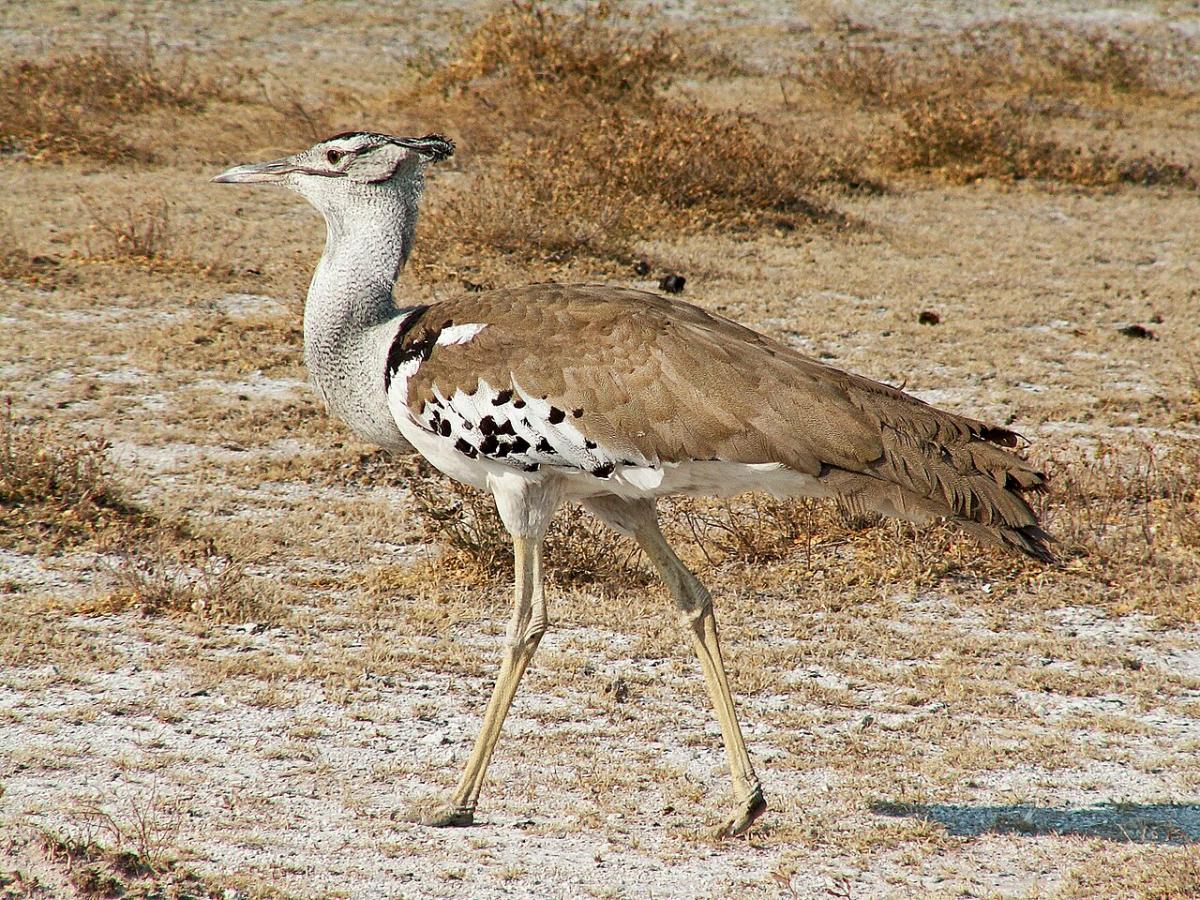
Ornithologists in Slovakia have counted 638 great bustards in the protected Sysľovské polia nature reserve, the best result for the species in the region in more than 50 years.
The last time a higher number was recorded in Slovakia was in 1973, when 697 birds were counted, according to ornithologists from the Slovak branch of the conservation group BirdLife, who reported the new figure.
Specialists said they had been expecting the record for several days, since bustards had also been spotted outside the boundaries of the protected area.
A species on the brink
At the start of the 20th century, around 2,400 great bustards lived on the territory of present-day Slovakia, but their numbers later fell sharply.
The main causes were changes in farming, including intensive field cultivation, the removal of boundaries between plots and fallow land, and the expansion of infrastructure. Birds were also killed in collisions with power lines.
By 1996, only 129 birds remained across the entire border region spanning Slovakia, Austria and western Hungary. The situation was especially severe in Slovakia. Between 2006 and 2015, Sysľovské polia did not have even one hectare of habitat suitable for nesting, and apart from 2010, bustards did not nest there at all during that period.
Turning the tide
The turning point came in 2017, when conservation organisations began restoring habitat suitable for the birds. The first plot, covering one hectare, was sown with grass. Other institutions and farmers later joined the effort, creating meadows, fallow land and plots where the birds can safely search for food and build nests.
The results of that work have become increasingly visible. Sysľovské polia has turned into one of the most important wintering sites for great bustards in Central Europe. According to Slovak ornithologists, more than three-quarters of the regional population, which spans Slovakia, Austria and western Hungary, now shelters there in winter.
One of the world's heaviest flying birds
The great bustard is one of the largest flying birds in the world, with males able to weigh more than 10 kg. Despite their size, the birds are very shy and need large open spaces to survive. They build their nests directly on the ground, which makes intensive field work and the loss of natural habitat especially dangerous for them.
Ornithologists stressed that the positive trend does not mean all the problems facing the species have been solved. They said it remains necessary to keep restoring favourable habitat and to keep supporting farmers who manage their land with the needs of protected species in mind.
Test yourself
How many great bustards were counted at Sysľovské polia in the latest survey?
When did conservation organisations begin restoring habitat for the bustards at the site?
What makes the great bustard especially vulnerable, according to the article?
Where it happened
Sysľovské polia, Slovakia