Sex Pistols co-founder Glen Matlock sets the record straight on his departure from the band in the documentary I Was a Teenage Sex Pistol, which premiered Saturday on Movistar Plus.
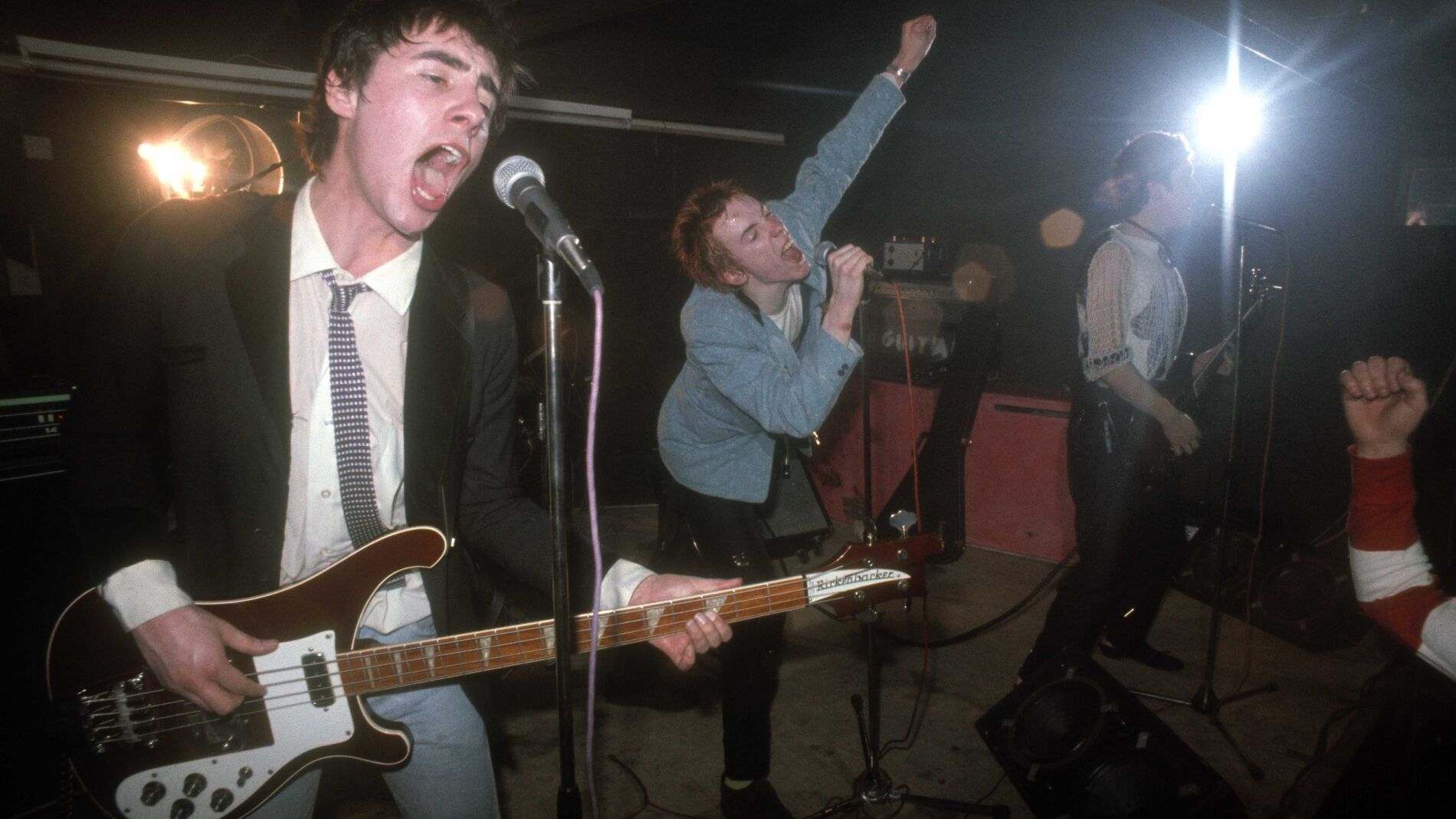
The 95-minute non-fiction film, co-directed by Andre Relis and Nick Mead, serves as a direct response to recent dramatised biographical projects, specifically challenging historical liberties taken in the fiction miniseries Pistol directed by Danny Boyle.
Matlock addressed longstanding rock folklore claiming he was expelled from the English punk group for expressing an affection for the Beatles, a myth originally generated by band manager Malcolm McLaren. The bassist clarified that he left the group of his own free will after becoming exhausted by ongoing internal conflicts with singer John Lydon and corporate manipulation surrounding the band in London during the late 1970s.
Beyond clarifying his exit, Matlock highlighted his central role as the musical mastermind who co-wrote ten of the twelve songs on the landmark 1977 album Never Mind the Bollocks. His songwriting credits include seminal punk tracks such as Anarchy in the U.K. and God Save the Queen, the latter of which he revealed was inspired by a melody he heard by the Swedish pop group ABBA.
Reflecting on his time in the group with dry irony and nostalgia, Matlock discussed the survivor's guilt he carried for decades regarding his tragic replacement, Sid Vicious. Matlock noted that Vicious was selected solely for his destructive aesthetic and commercial appeal, ultimately being consumed by his own stage persona.
Archival footage and band testimonies
The production utilizes restored archival footage and television news broadcasts to depict the social realities of pre-industrial era England. The film contrasts these conditions with the vibrant atmosphere of the King's Road clothing shop operated by McLaren and fashion designer Vivienne Westwood, widely regarded as the birthplace of the punk movement.
While lead singer John Lydon did not participate due to an ongoing estrangement from his former bandmates, the film features exclusive interviews with Sex Pistols guitarist Steve Jones and drummer Paul Cook. Both musicians confirmed Matlock's primary role in composing the band's music, with additional commentary provided by contemporaries including Debbie Harry, Chris Stein, and Billy Idol.
Pacing, scope and directorial style
Film critics noted that the narrative experiences minor pacing lulls in its midsection by dwelling on well-known aspects of London's early punk scene. Additionally, the documentary focuses strictly on the band's early years, omitting their 1996 reunion tours and later work with American rock group Blondie.
Co-director and producer Andre Relis, known for his acclaimed music documentary Lemmy about Motörhead frontman Lemmy Kilmister, applied a similar focus on musical craftsmanship rather than sensationalism. The resulting film avoids cheap scandal to present an honest chronicle of artistic authorship, demonstrating that the punk movement was defined by musical rhythm rather than mere noise.