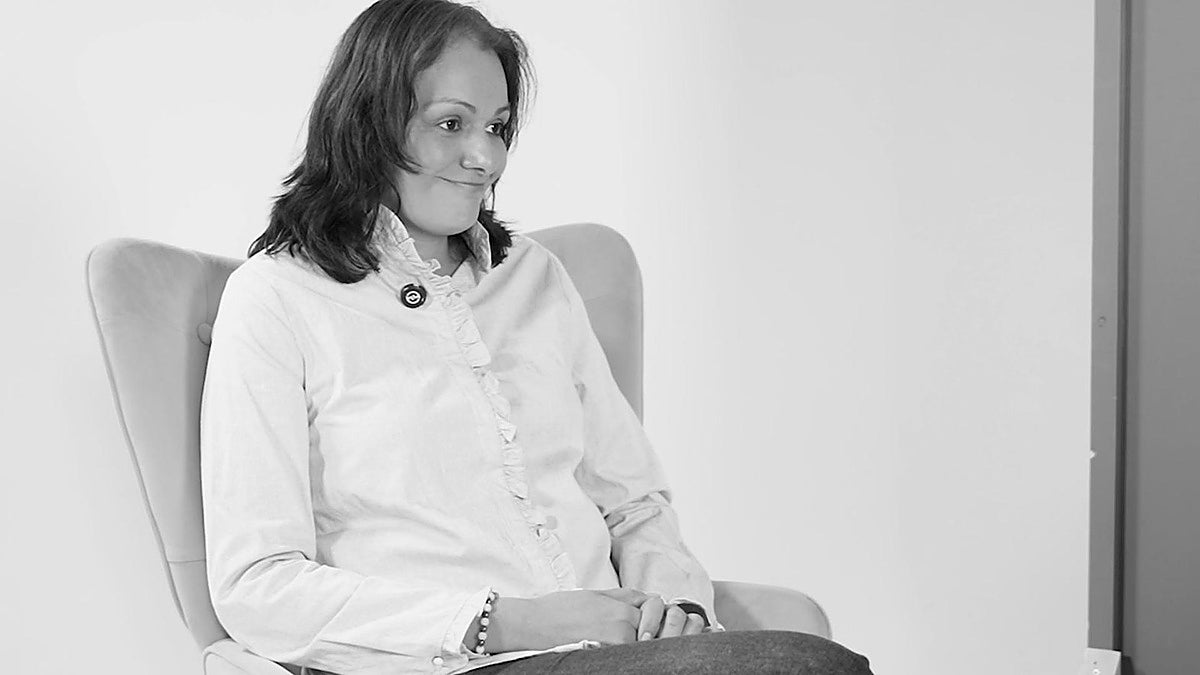
Elisabeth Vargas, a Bolivian-born woman now living in Spain, has told the story of the years of psychological gender violence she survived, as part of the "Maneras de Vivir" series marking the International Day for the Elimination of Violence against Women. She said she did not realise she was being abused, because her partner always told her he was doing everything for her own good.
She described herself as a survivor and a fighter who had managed to get through everything life threw at her, though she admitted she often did it in a reckless, almost unconscious way. She said the man she met in Spain, who she later understood had deliberately sought out someone vulnerable, was a psychopath.
A childhood marked by rejection
Vargas said her difficulties began in childhood, in Bolivia, where her mother abandoned her and her grandmother had wanted a grandson rather than a granddaughter. She said she grew up trying to be perfect to win an affection that never came, while bullying at school wore her down further. At 22 she left for Spain with simple plans: work for a year, save money, and go home to finish university.
Instead she met a man 26 years older than her. She said she got pregnant almost as soon as they met, and two more children followed; those first five years, she said, were a period of total protection, which she now calls overprotection, meant to keep anything from happening to her. The family lived in apparent luxury, with five-star hotels, a chauffeur, a gardener and daily spending of one or two thousand euros, but she said it was in fact a gilded cage, built to isolate her from anyone who might open her eyes.
Control disguised as care
When she stopped breastfeeding their third child, the illusion collapsed into a psychological ordeal she still struggles to put into words. She said he wanted her three children, and once he had them, he no longer needed her and tried to push her aside. Everything in the house had to be arranged by size and colour, shirts were never folded well enough, and the shopping list was never right.
She said he made her believe she was the problem and even invented phone calls from a fictitious neighbour accusing her of bringing men into the house. Everything was so subtle, she said, always wrapped in the idea that "I'm doing this for your own good."
Her despair reached the point where she prepared the family's last supermarket shop, washed the sheets, and left the children's documents and vaccination booklets in plain sight before leaving, convinced, as her own mother had once done, that distance was the only way to avoid hurting herself or her children. Before that, she said, she had planned to disappear in the most drastic way possible, going through everything someone does when planning their own death. She said she still regrets that moment but also tells herself she had no other way out.
Not recognising herself as a victim
There were no bruises, no physical assault and no economic hardship, and that made it harder to be believed. She recalled that the first time she went to report the abuse, officers asked where her children were; when she said they were with the nanny, she was asked how she could complain if she had a nanny.
She said she did not recognise herself as a victim either. The word abuse, to her, meant something that happened to women who were hit, so by that definition she believed she had not suffered it. She described feeling like an impostor, as if even the bad things happening to her could not really apply to her. It was a stranger who sat beside her in a park and shared her own story who helped her find her way into an emergency centre and later a shelter.
The scale of the problem in Spain
Her case reflects wider, troubling figures. According to Spain's Government Delegation against Gender Violence, part of the Ministry of Equality, updated to November 2026, 46 women have been killed by partners or ex-partners so far this year, the worst toll for this period since 2023, bringing the total number of victims since 2003 to 1,386. More than 70% of those women had not filed a complaint beforehand.
Data from Spain's General Council of the Judiciary for the first two quarters of 2026 recorded more than 106,600 complaints filed in the first half of the year, an average of more than 580 complaints a day in Spanish courts.
Years separated from her children
Surviving came at the cost of years apart from her three children. For the first two years she could not see them, due to shelter security rules and slow courts that eventually granted custody to their father. She said he told the children she had left with another man who offered her drugs in the park, and that she had to listen to them repeat it back to her, telling her drugs were bad and that their mother was an addict, while she insisted she had not left with anyone and was not a drug addict.
When supervised visits in a park finally began, the emotional impact was so strong that her mind disconnected from it, she said, describing the experience as watching herself through a television screen, as if it were not really her, even though she was there.
"The clowns' game"
Her companions at the shelter called the court process "the clowns' game," a reference to having to wait in the same room, terrified, just metres from her abuser. Behind the facade of the luxury house, she said, her children lived among rubbish and went hungry, because their father, obsessed with preparing them for what he believed would be a world war or natural disaster, made them endure hardship for no reason.
The situation worsened when her eldest daughter, at just 13, became at risk of suicide, because her father needed to hurt someone and began treating her the way he had treated Vargas. Having felt that same impulse herself years earlier, Vargas believed her daughter immediately and went to equality services. Still, four more years passed before, at 17 and after a suicide attempt flagged by her school, authorities finally intervened; her children passed through a minors' centre before she could begin the long process of getting them back. She said she always knew that if she acted against him, he would kill the children, so she had to play along without provoking him too much.
Rebuilding with Fundación Integra
Her recovery came slowly, through years of psychological therapy, theatre workshops and creative writing, and with support from Fundación Integra. She said she arrived at the foundation almost by chance, feeling lost and taking whatever work she could find, and that staff there taught her to write a CV and prepare for job interviews, while also helping her rebuild her self-esteem and confidence.
Through repeated workshops at what she called the foundation's "empowerment school," she said she learned that companies provide training, and that not knowing how the job market works can hold people back on its own. The foundation put her forward for a position at Iberia as a check-in and boarding agent. She recalled her coach supporting her through the airline's selection and training process, and said every step up in life feels hard, but the first ones feel like climbing a mountain.
She said finding people who did not question her story was the turning point in rebuilding her self-worth, after being told for so long to stop exaggerating. Her old childhood dream of becoming a flight attendant became real work at the airport. With a job and a support network, she said, she stopped merely surviving and began truly living, and went on to find further jobs on her own, using the confidence and inner strength she had built.
A new life
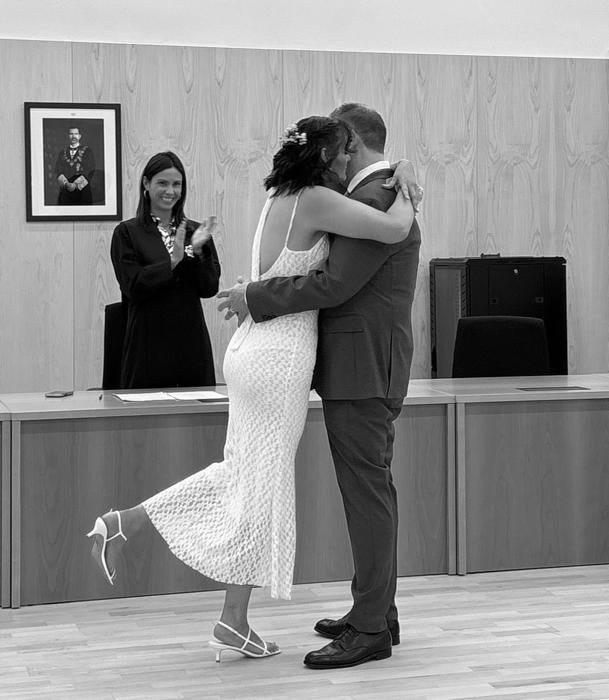
Vargas has now been discharged from psychological treatment for two years. She has since remarried, to a man she jokingly calls a "disaster" because he never makes the bed, and said that imperfection is exactly where her peace lies, since nobody is perfect.
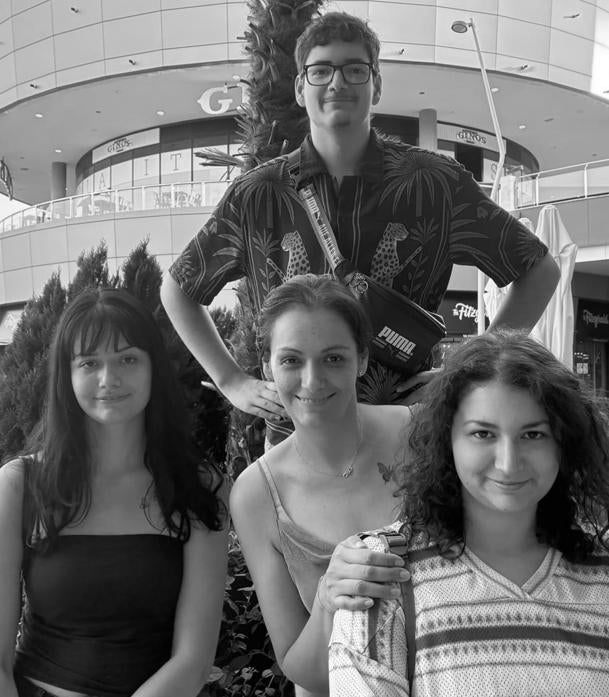
She is now preparing to attend joint therapy with her eldest daughter to heal the wounds they share. Her message to any woman reading her story, she said, is not to feel guilty or ashamed of her past.
What happens next
Vargas is now preparing to attend joint therapy sessions with her eldest daughter to help heal the wounds they share.
Test yourself
Why did Elisabeth Vargas say she did not recognise herself as a victim of abuse?
According to government data cited in the article, how many women have been killed by partners or ex-partners in Spain so far in 2026?
Which organisation helped Vargas rebuild her self-esteem and find work?