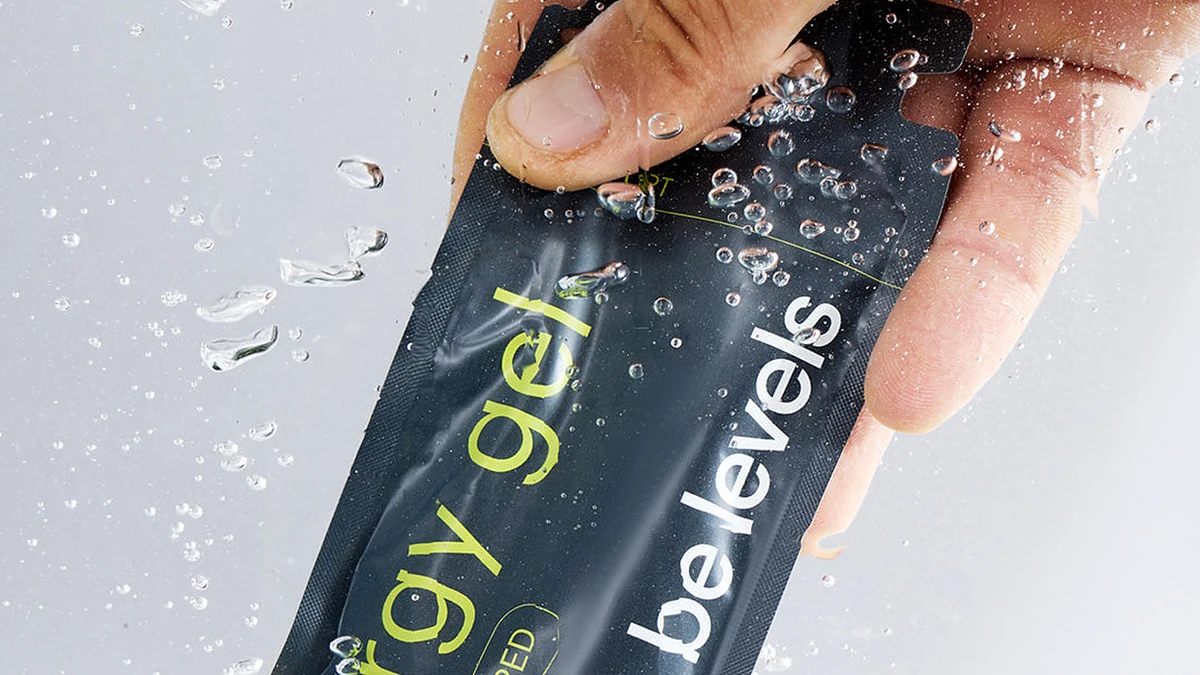
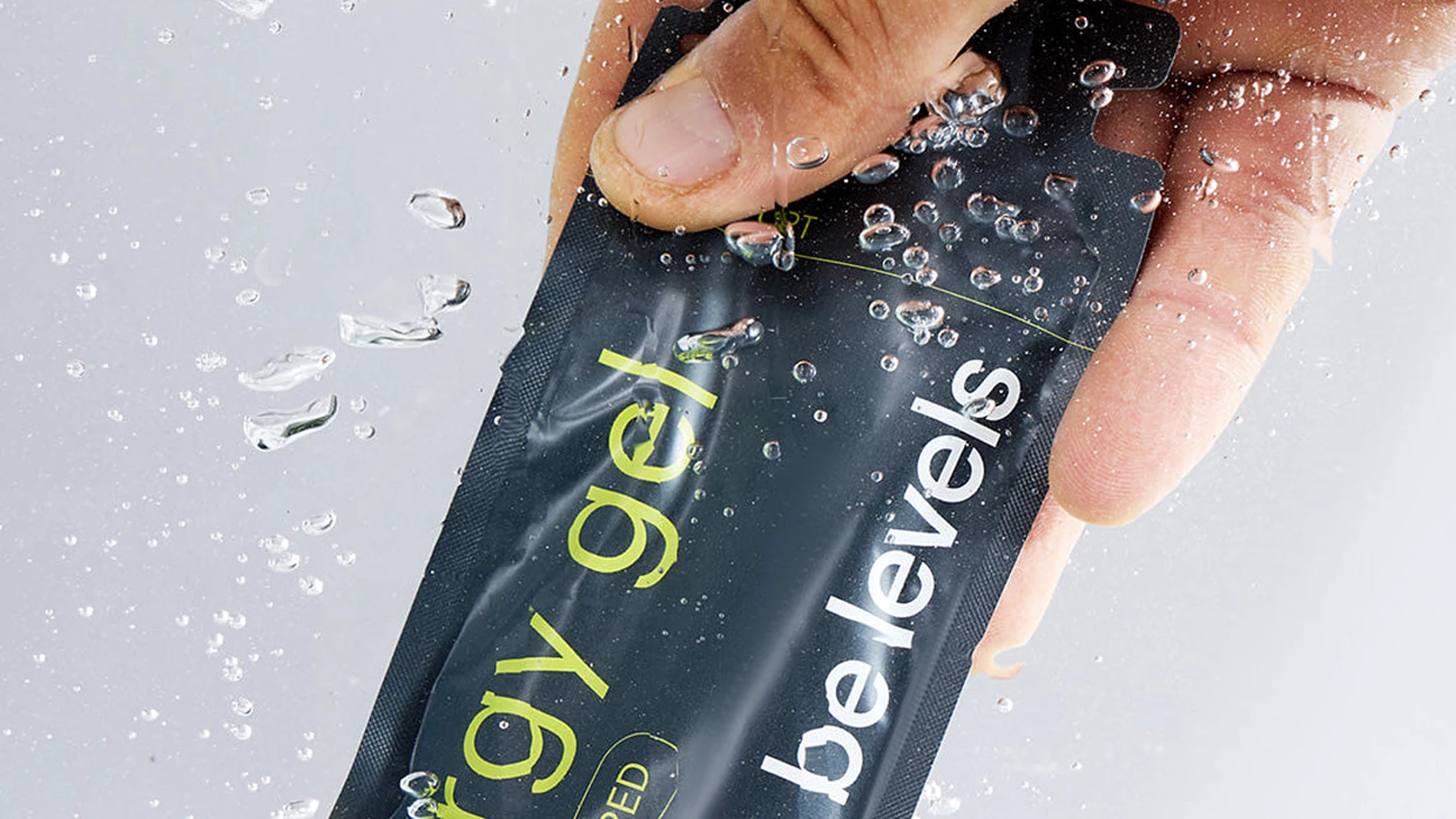
Energy gels are usually taken with a few sips of water, between one and two sachets an hour depending on the brand, according to a buying guide on the sports nutrition market. PowerBar's PowerGel Hydro breaks that rule because it has a more liquid texture and does not need to be followed by water, while Be Levels sells its gel as a single sachet so newcomers can try one before committing to a full box.
What not to mix matters just as much as what to pair a gel with. Taking a caffeinated gel on top of another caffeinated gel, drinking a sugary sports drink without counting its carbohydrates against the gel schedule, and trying any new gel for the first time on race day are the three mistakes the guide flags as worth avoiding.
Quick picks for different situations
- First-timers who want to try a single sachet before buying a box: Be Levels energy gel.
- Runners who find thick, syrupy gels unpleasant: Maurten Gel 100.
- Outings longer than two hours carrying few sachets: Science in Sport Beta Fuel.
- Stretches of a route with no water stations: PowerBar PowerGel Hydro.
- Anyone tired of the same flavour: Enervit Gel Carbo C2:1PRO.
Be Levels: a single sachet to test before buying a box
Because the texture, flavour and sweetness of a gel are hard to judge without trying it, the guide recommends buying one or two to test on a long training session rather than a full box. Be Levels sells its energy gel individually for exactly that reason.
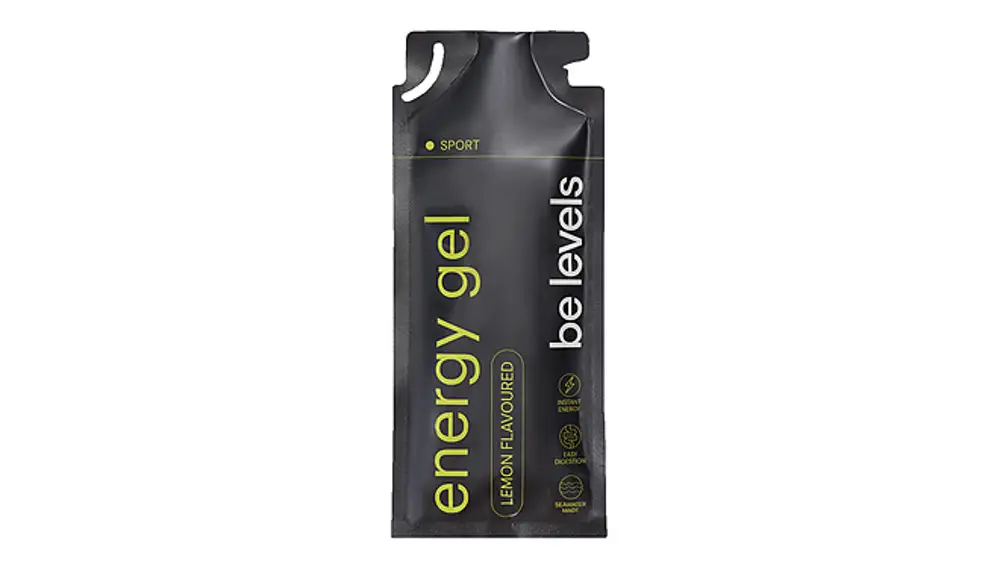
Each sachet combines two sugars, maltodextrin and fructose, with a little salt and potassium, and comes in lemon flavour. It is sold in a caffeine-free version and a caffeinated one, the latter containing 100 milligrams of caffeine per sachet and not intended for children, pregnant women or breastfeeding mothers. The sachet also contains vitamin B12, which contributes to normal energy metabolism and to reducing tiredness and fatigue. The gel is gluten-free, lactose-free and suitable for vegans.
The brand's guidance is one to two sachets an hour during exercise, which works out to between two and four sachets over a two-hour session. Anyone taking the caffeinated version is advised not to add another caffeinated gel on the same outing. The sachet is large, which can make it awkward to carry several in a cycling jersey pocket, though it fits easily into a running belt or trail pack. It is sold individually or in a box of 12.
Maurten Gel 100: for gels that feel too thick
For anyone who has struggled with a thick, syrupy gel halfway up a climb, Maurten's Gel 100 has the texture of a soft gelatine rather than a syrup, and carries no added flavour.
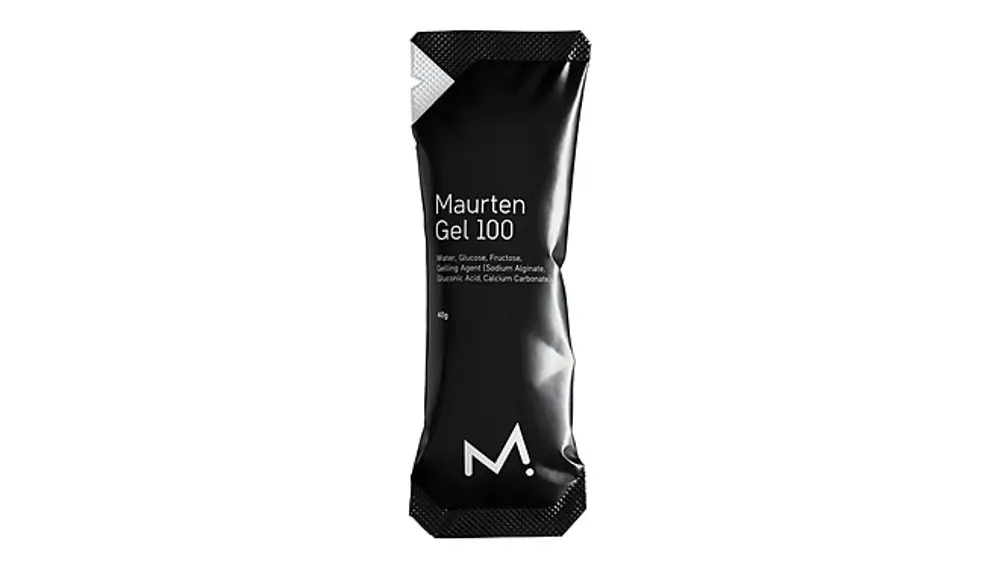
It mixes fructose and glucose in almost equal parts. Each sachet carries fewer carbohydrates than the Beta Fuel or Enervit gels, so very long outings will mean opening more sachets overall, though the gels are small enough that several fit in a pocket without bulk. It comes in a box of 12 and should be stored somewhere mild, away from direct sun or cold.
Science in Sport Beta Fuel: for outings over two hours
Where the Maurten gel carries fewer carbohydrates per sachet, Beta Fuel goes the other way. Each 60-millilitre sachet packs considerably more, aimed at sessions lasting beyond two hours such as a marathon, a full morning on the bike or a mountain crossing.
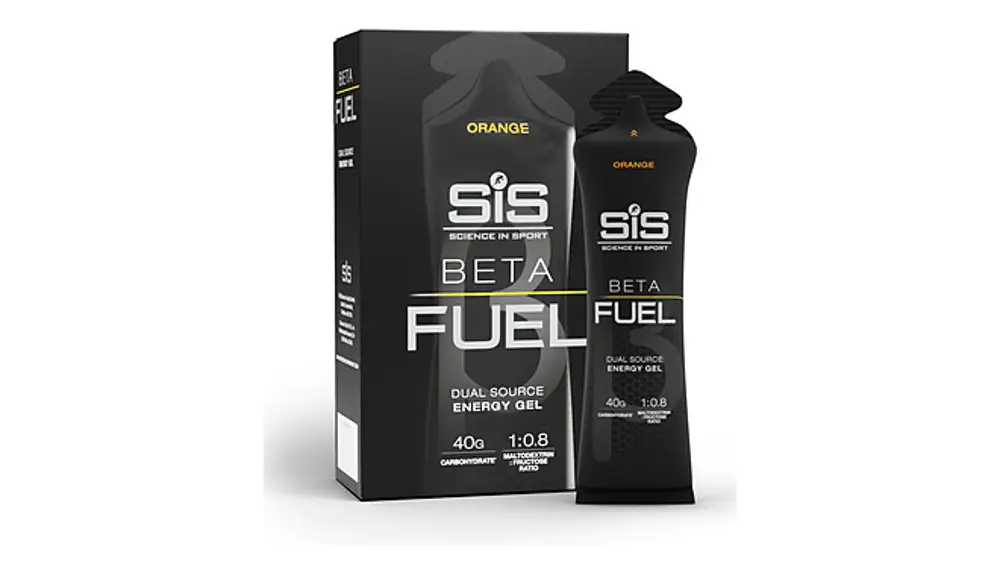
It combines maltodextrin and fructose in a ratio similar to Maurten's, and the brand's guidance runs from one to three sachets an hour. Because each sachet is more concentrated, athletes carry fewer of them for the same outing. The texture is light for such a dense gel, but it is still concentrated, so the guide recommends pairing it with sips of water rather than a sugary sports drink, which would add more sugar than expected. The box contains six orange-flavoured sachets.
PowerBar PowerGel Hydro: for stretches with no water stop
Aid stations do not always line up with where a runner needs them, and on a mountain route there may be none at all. PowerGel Hydro is built for that situation: it is more liquid than a standard gel and does not need to be followed by water.
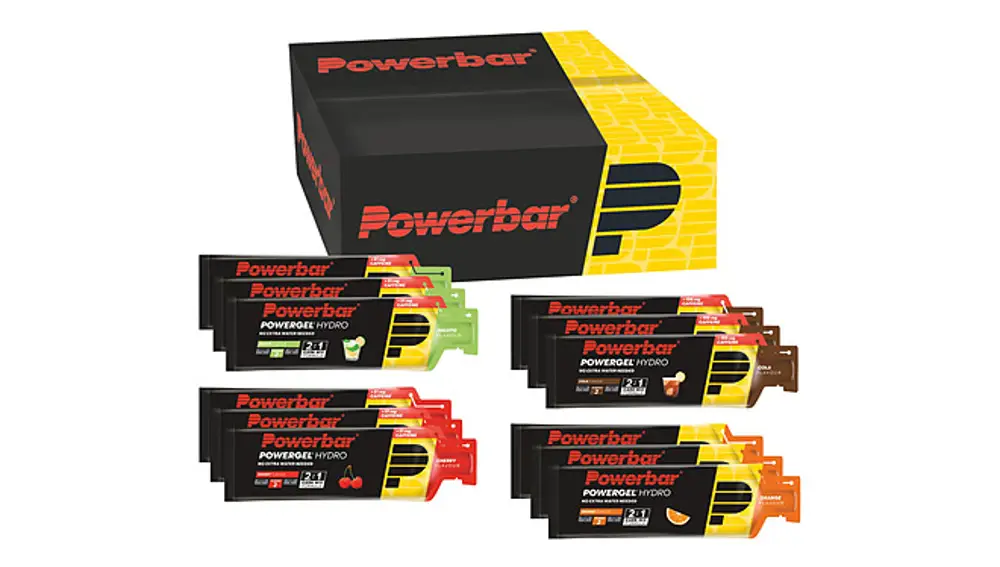
It contains glucose and fructose, with roughly twice as much glucose as fructose, and is suitable for vegans. Each sachet holds 67 millilitres, slightly more than the standard 60. The mixed box contains 12 sachets in different flavours, a way to find a preferred flavour before buying a single-flavour box. The cola, mojito and cherry versions contain caffeine, up to 100 milligrams per sachet, and the brand advises no more than one cola sachet a day. The general guidance is one to two sachets at regular intervals during exercise, and anyone combining it with a caffeinated gel from another brand should add up both doses of caffeine.
Enervit Gel Carbo C2:1PRO: for variety
Taking the same flavour three times in one morning gets tiresome. Enervit makes this gel in five versions, lime, mango, orange, lemon with sodium, and cola with caffeine, allowing a runner to carry two or three flavours from the same brand without changing the dosing pattern.
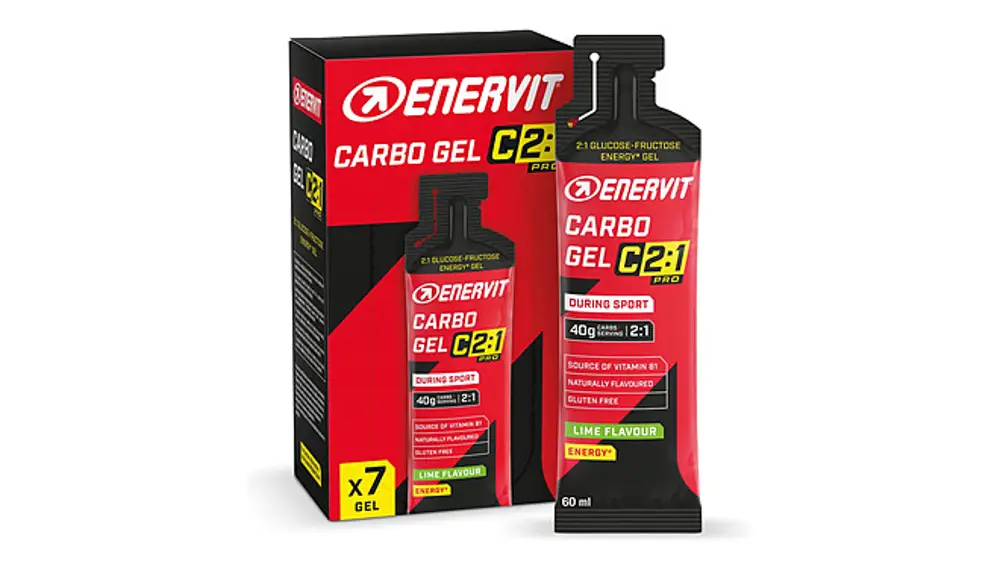
Each 60-millilitre sachet carries the same amount of carbohydrate as Beta Fuel, but with twice as much maltodextrin as fructose. It contains no fat or gluten, and the brand recommends one to two sachets per hour of activity. The lime flavour comes in a pack of seven, enough for a week of testing or a marathon with one spare sachet.
What to combine a gel with, and what to avoid
A gel is almost never taken on its own: it goes down with water, with whatever is in a bottle, or alongside another gel from the same outing. Those combinations decide whether the session goes smoothly or ends badly.
Concentrated gels such as Beta Fuel, Enervit and the Be Levels gel are usually taken with a few sips of water, enough to stop the gel sticking in the mouth rather than half a bottle. The PowerGel Hydro is designed to be taken without water afterward, which is useful when the next water stop is still some way off. If a bottle contains a sugary sports drink, that counts as carbohydrate intake too, and the guide advises dropping a scheduled gel to compensate. Caffeine should never be doubled up, whether from the Be Levels caffeinated version, the cola, mojito or cherry PowerGel Hydro flavours, or Enervit's cola gel, and that count should also include any coffee drunk before setting out. Mixing brands within the same outing is fine as long as each one has already been tested in training, but no gel should ever be tried for the first time on race day.
How many gels to carry
The guide suggests working out sachets from the per-hour pacing printed on the packet: a gel rated at one to two an hour over three hours means carrying between three and six sachets, starting at the lower end in training and carrying one spare. For timing, the first gel is usually opened around the first hour of a long outing, with races under an hour generally needing none. A half marathon finished in under an hour and a half needs one gel or none, a two-hour half marathon needs two or three, and a four-hour marathon paced at one to two gels an hour works out to between four and eight, plus a spare.
Test yourself
How often does Be Levels recommend taking its energy gel during exercise?
Which gel is designed to be taken without drinking water afterward?
How many sachets come in a box of Maurten Gel 100?
Have your say
Which energy gel format do you prefer on long runs or rides?