Dr Nisa Aslam has named five red and purple foods that people should add to their daily diet today to boost cardiovascular health, reported The Daily Mirror.
The physician highlighted how colourful plant compounds can safeguard the body, citing research showing that a diet rich in polyphenols can potentially cut the risk of developing cardiovascular disease by 46 percent.
Polyphenols are naturally occurring micronutrients abundant in plant foods, known in nutritional science for their capacity to neutralise free radicals and protect body tissues from cellular damage.
Chief among her recommendations is Boombites red grape, a variety with deep red flesh and a dark red-purple hue running from its outer skin to its core. Dr Aslam explained that the table grape contains six times more anthocyanin pigments than traditional dark-skinned table grapes because the pigments are distributed throughout the entire fruit rather than remaining confined to the skin.
The Boombites variety also supplies polyphenols and resveratrol, natural compounds recognized for their antioxidant and anti-inflammatory properties. Resveratrol is a plant stilbenoid widely studied for its protective effects on blood vessels. She suggested eating the grapes fresh, freezing them as a refreshing snack, or blending them into smoothies.
Boombites grapes and dark berries
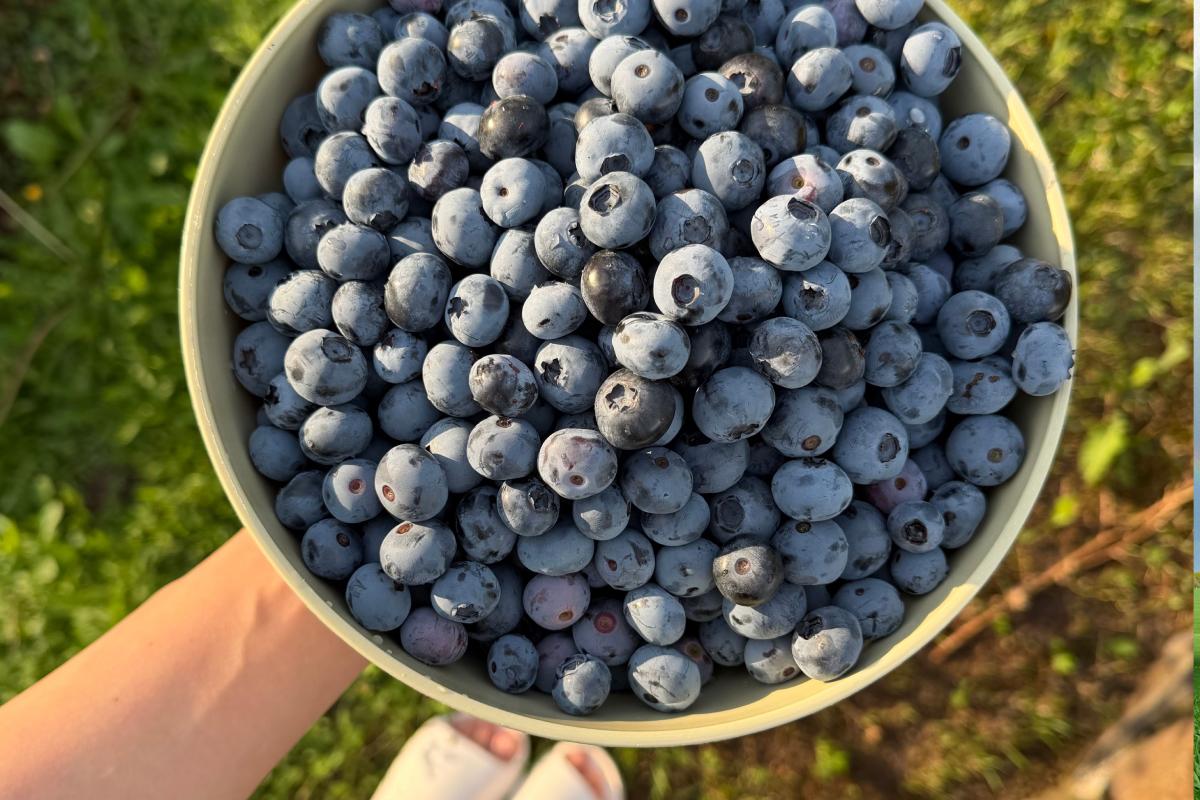
Blueberries also feature on the doctor's list, deriving their characteristic blue-purple shade from anthocyanins, which make up to 60 percent of the total polyphenols in the fruit. Anthocyanins belong to the flavonoid family of plant pigments. Dr Aslam recommended adding blueberries to morning porridge or yoghurt.
With blackberry season now underway, Dr Aslam advised taking advantage of the dark fruit in fresh salads or on its own. The berries owe their deep colour to anthocyanins, which studies suggest may positively influence metabolic syndrome.
Dr Aslam defined metabolic syndrome as a cluster of health conditions that includes high blood pressure, elevated blood sugar levels, excess fat tissue around the waist, and abnormal cholesterol profiles. Medical reference works note that this combination of risk factors significantly increases the likelihood of long-term arterial damage if left unmanaged.
Red onions, cabbage and tomato juice
Red onions, whether sliced into sauces or served raw in fresh salads, provide concentrated amounts of anthocyanins within their dry outer skin. They also contain quercetin, a plant flavonoid that studies show helps lower blood pressure by relaxing vascular walls.
Red cabbage, a common vegetable often served alongside Sunday roast dinners, delivers an impressive 36 distinct types of anthocyanins. Dr Aslam noted that this variety gives the vegetable potential benefits for heart health, while its vitamin C and high fiber content help maintain healthy digestion by supporting gut microbiota and smooth intestinal transit.
In additional health guidance, dietitians noted that tomato juice acts as a regular source of essential nutrients that can positively affect the cardiovascular system and metabolism when consumed regularly. Made up of roughly 94 percent water to support body hydration, the beverage supplies vitamins A, C, K, and B-complex vitamins, as well as minerals such as potassium, magnesium, and manganese, which assist in regulating blood pressure and cellular energy production.