Environmental organization SEO/BirdLife has launched a green initiative named the Zalema project to rescue critical rain-fed vineyards around Spain's Doñana natural area.
Supported by the Biodiversity Foundation of Spain's Ministry for Ecological Transition (Miteco) under the Framework of Actions for Doñana, the project proposes a sustainable model based on land stewardship, agricultural innovation, ecotourism, and biodiversity promotion.
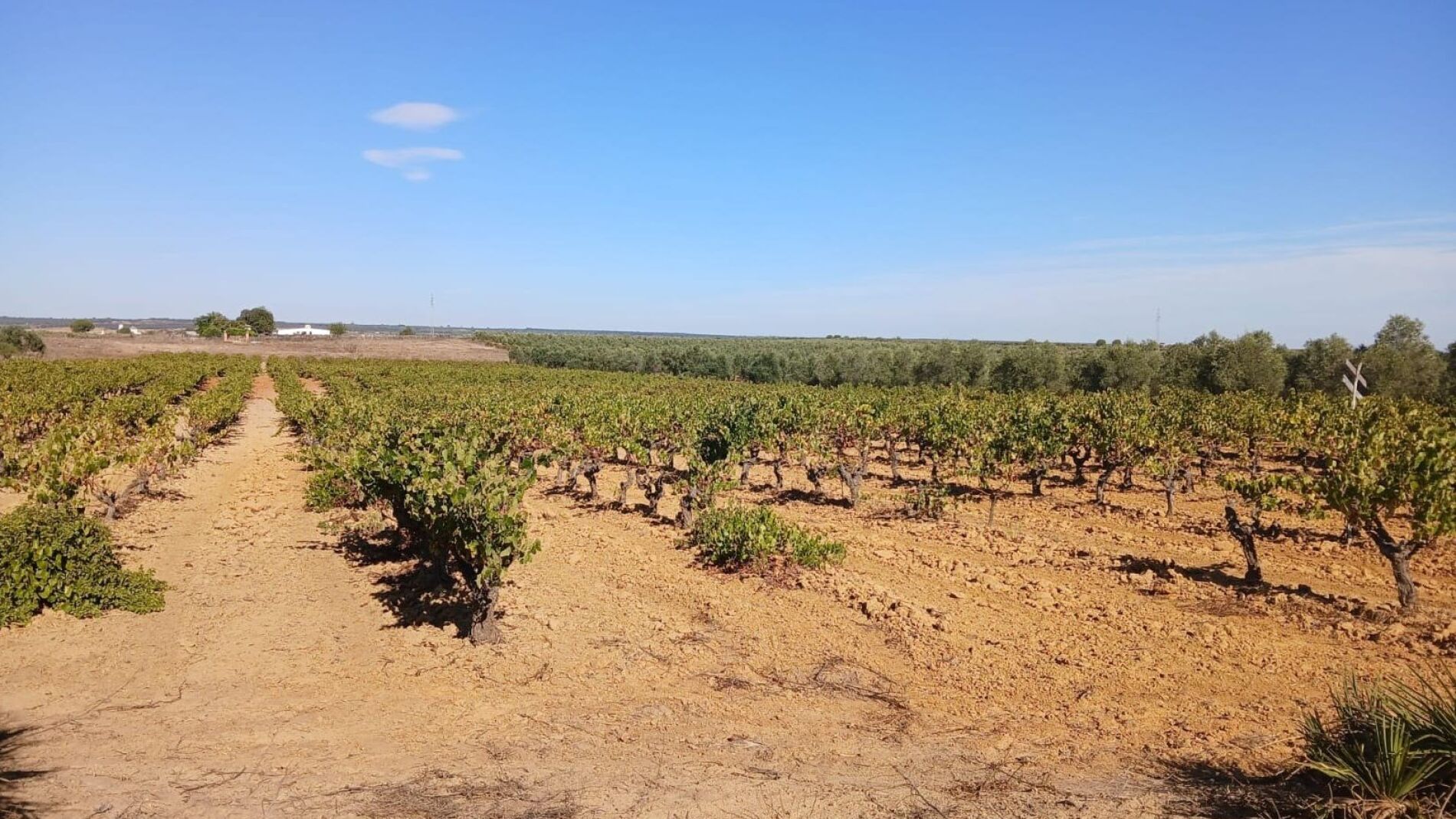
The traditional rain-fed vineyards act as an essential ecological buffer and transition zone surrounding Doñana National Park in the province of Huelva. However, intense pressure from irrigated agriculture, global warming, and low financial returns have left the ancestral crop in a critical condition.
Unofficial data from the Regulatory Council of the Designation of Origin shows that cultivated vineyard area in the region has collapsed from roughly 15,000 hectares in the early 1980s to around 1,400 hectares today. The decline represents a loss of more than 90 percent of the traditional vineyard area over little more than three decades, with 400 hectares abandoned in the past year alone.
Carlos Molina, a technician at SEO/BirdLife's Doñana Technical Office, said that farmers are exhausted by poor economic margins. He noted that an exceptionally adverse weather year has driven remaining hesitant growers to abandon their land.
Threatened habitat for local wildlife
The disappearance of rain-fed vines places key Mediterranean wildlife species at grave risk. Among them is the rufous-tailed scrub robin, a threatened migratory bird whose survival in Huelva is closely tied to traditional agricultural landscapes.
Molina explained that SEO/BirdLife began focusing specifically on the scrub robin in 2013 due to its strong reliance on dryland vineyards in the El Condado area of Huelva. Because the bird is endangered, early conservation efforts were concentrated on protecting its agricultural habitat.
The Zalema initiative takes a broader approach by seeking to protect the entire ecosystem. Molina emphasized that the vineyards function as a key biodiversity reservoir and ecological corridor, while forming a core part of the landscape and social identity of local towns for decades.
Doñana National Park, located in Andalusia in southwestern Spain, is one of Europe's most prominent wetland reserves, renowned for its diverse ecosystems and protected habitats. SEO/BirdLife, established in 1954, is Spain's pioneer environmental organisation dedicated to conserving wild birds and their natural habitats. The Zalema grape is an ancient white grape variety indigenous to Huelva's El Condado wine region.
Nature-based measures on demonstration farms
Drawing on SEO/BirdLife's Campos Vivos methodology, the Zalema project is carrying out direct field actions across approximately 20 demonstration farms dominated by the native Zalema grape. The initiative aims to transform traditional farming by integrating nature-based solutions.
Molina detailed that the project is being executed in several phases. Teams first establish contact with farm owners to sign land stewardship agreements, followed by initial monitoring of local biodiversity, focusing primarily on birds and bats.
Specific agronomic and conservation actions on participating farms include encouraging organic fertilizers and gradually reducing herbicide use. Workers are installing nest boxes, bat shelters, artificial stone walls, and water sources such as drinking troughs and ponds.
Participating growers are also planting native hedges along field edges and unproductive areas to boost beneficial wildlife and manage crop pests naturally.
Economic viability and local ecotourism
The Zalema project goes beyond biological conservation to tackle farmer profitability and regional generational renewal. Molina stated that the primary objective is to increase the value of the vines, alleviate low profit margins, and explore opportunities in ecotourism, local economic growth, and wine promotion.
He added that better-preserved vineyards will improve farmer earnings, benefit the surrounding territory, and help prevent the further abandonment of traditional viticulture around Doñana.