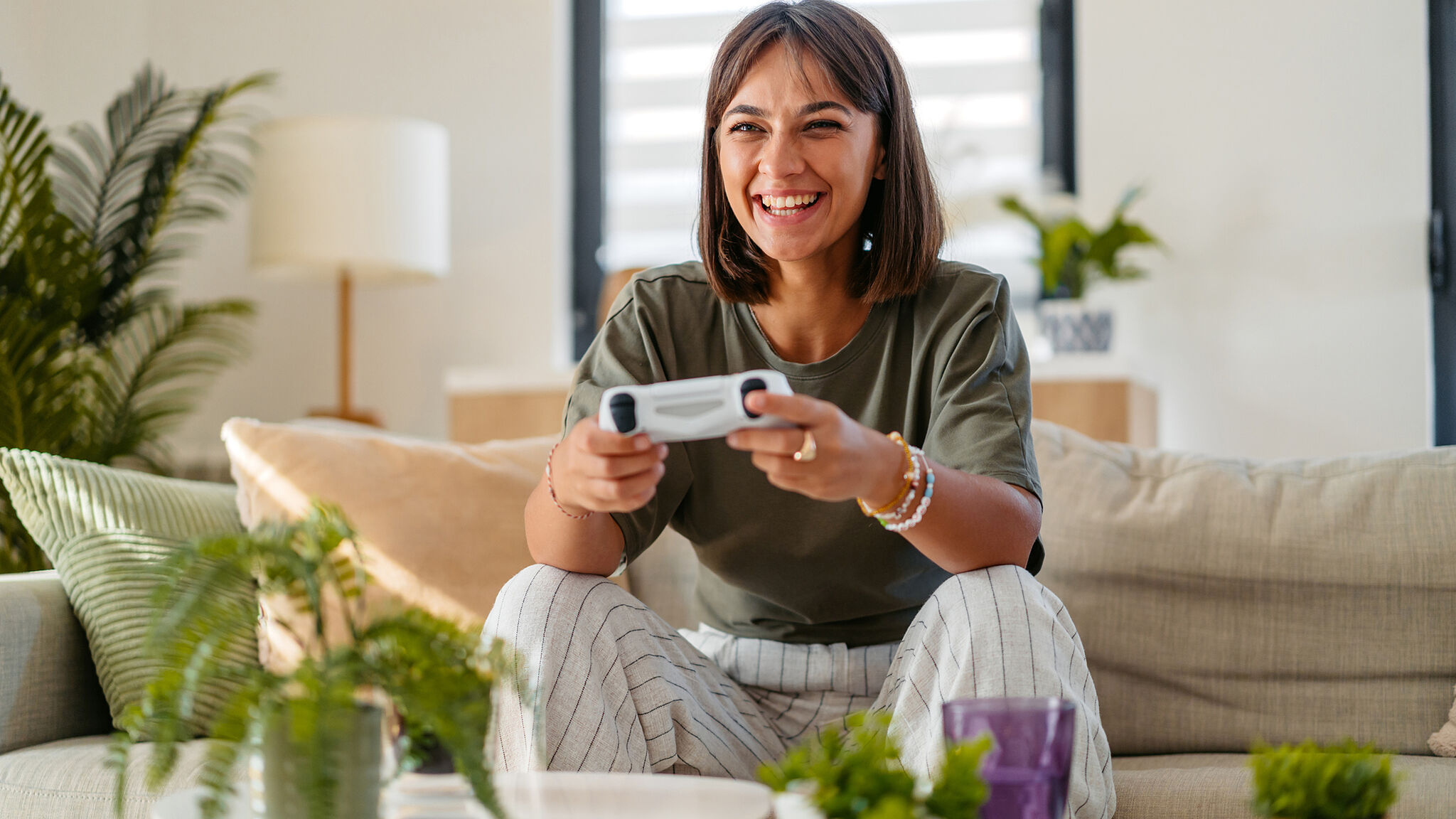
Adults are increasingly turning to cozy video games, jigsaw puzzles, model kits and LEGO building sets as a way to cope with stress, according to psychologist Eduardo Jáuregui and the LEGO Group. Jáuregui, co-founder of Humor Positivo, said during a presentation by Nintendo that people have forgotten what it means to play.
He explained that when people think of games, they picture chess or football, which he said reflects a competitive society. In reality, he said, play is a tool shared with many animals as a way of learning what is needed.
Pilar Vilella, Brand Director for Iberia and France at the LEGO Group, said the company has observed the same shift. She said adult interest in building sets keeps growing because the experience combines entertainment, creativity and personal satisfaction.
Jáuregui said that since early childhood, society trains people in productivity and efficiency, teaching them that everything important must be useful and that they must perform well enough to get good grades, be competitive and achieve success. Because of this, he said, people benefit from creating small islands of freedom where they do not need to perform and can simply enjoy what they are doing.
A rising trend among adults
The LEGO Group said it has noticed the same pattern among its customers. Vilella said the company launched 84 references aimed specifically at adults in the past year, roughly 20% of its new releases.
She said this responds to a new way of understanding leisure and creativity, as more adults look for ways to pause, spend time on themselves and reconnect with personal interests amid demanding daily routines. According to company data cited by Vilella, 93% of adults say they feel more relaxed when doing activities tied to their passions, and 70% say creative activities help them feel calmer.
Why building beats scrolling
Jáuregui said a hobby requires deliberately directing concentration despite distractions, while social media and packaged entertainment capture attention precisely through endless distractions, often by triggering strong emotions such as fear or sexual attraction. He said neuroscientists describe this as the amygdala, the brain region that detects danger and opportunity, hijacking the brain.
Vilella said building invites people to focus on one concrete activity and move forward step by step, since each piece requires observing, interpreting, making small decisions and finding its place within the whole. She said this process lets people focus on the task at hand and set aside other daily worries for a while, while watching a build take shape and reaching an intended result creates a sense of satisfaction and achievement.
Jáuregui said this is linked to a state psychologists often call flow, in which activity in the so-called default mode network, responsible for much of the mind's constant internal chatter, decreases. He said flow and mindfulness research both point to real short- and long-term mental health benefits, describing the state himself as "playfulness."
The need to slow down
Jáuregui said the appeal of cozy games and building sets may reflect a growing need for slowness in a hyperconnected society marked by constant notifications. He described living in what he calls a "zombie apocalypse," a society of rushed, stressed and alienated people who struggle to stop or do anything that is not work, turning even leisure activities like sport or meditation into new sources of stress.
He said people have forgotten what it means to play, and that hobbies are an invitation to return home, to the freedom of not having to achieve anything at all, recovering what the Italian philosopher Nuccio Ordine called "the usefulness of the useless."
Vilella said building offers a physical, progressive experience, with each piece placed bringing the builder closer to the final result in a way that contrasts with digital immediacy. She said company research found that 89% of adults who use LEGO products consider building a positive alternative to screen time.
Making it a daily habit
Jáuregui recommended setting aside a small daily window, 10 to 15 minutes to start, with the phone switched off, for an activity enjoyed for its own sake rather than to achieve anything. He suggested looking to a dog, a cat or a child under seven for inspiration, alongside teachers of contemplative practices such as Zen, contemplation or yoga.
Vilella encouraged adults to try building without prejudice and enjoy it without feeling they need to be experts or reach a perfect result, choosing a set tied to a personal passion, a memory or simple curiosity. The LEGO Group's adult catalogue includes sets such as a reproduction of a Monet painting, Barcelona's Sagrada Familia, Tintin's rocket, a Star Wars ship and a bouquet of red roses.
Lasting mental and cognitive benefits
Jáuregui said several meta-analyses have found that moderate use of relaxing video games can help ease symptoms of anxiety and depression, because they allow a temporary escape from mental rumination and encourage states of full attention.
Vilella said building sets also train relevant cognitive and emotional skills beyond manual dexterity, requiring concentration, visual memory, planning and problem-solving, along with interpreting instructions, recognising patterns and visualising how pieces fit together. She said the activity is also linked to spatial skills such as visualising three-dimensional objects, as well as patience, perseverance and flexibility when something does not work out as expected.
On the emotional side, Vilella said building lets people experience the satisfaction of reaching small goals, accept that results take time and enjoy the process rather than focusing only on the finished product.
Test yourself
What percentage of the LEGO Group's new releases in the past year targeted adults?
According to psychologist Eduardo Jáuregui, what brain region 'hijacks' the brain during compulsive scrolling?
How many minutes a day does Jáuregui recommend setting aside, with the phone off, for an enjoyable activity?
Have your say
Do you use relaxing hobbies like building sets or cozy video games to manage stress?