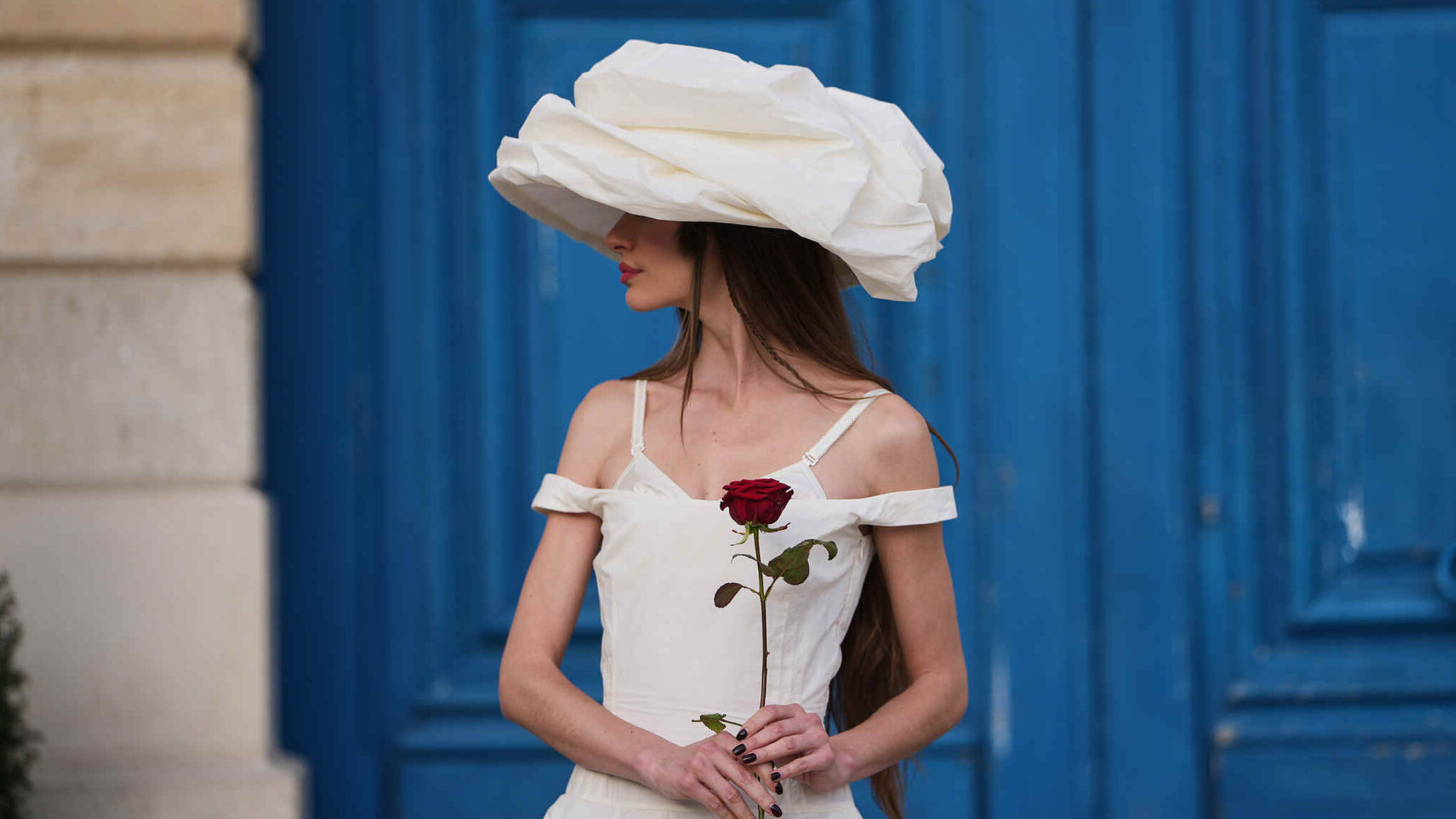
A single line from Antoine de Saint-Exupéry's "The Little Prince" is being revisited as a lesson in how time, not appearance, is what makes a person, a place or an object feel truly special. The quote reads: "It is the time you have wasted for your rose that makes your rose so important."
In the novel, the little prince comes to understand that his rose is not unique because it is the most beautiful flower in the universe. It is unique because he has watered it, protected it, listened to it and cared for it. He gave it part of his days, and that devotion is what made the flower matter to him.
The idea is being held up as a lesson in how people understand love, relationships and even happiness itself. Society tends to measure time by outcomes and by the tasks ticked off a list, but part of life is not about results or numbers at all. It is about the time given to the things that genuinely matter.
Spending time with someone without watching the clock, truly listening, watering plants with care, or playing with children without thinking about the hour are described as small gestures. They are precisely the kind of moments that end up building a person's most important memories.
Love as something you give time to
Caring for someone is not only about feeling something for them. Affection also needs presence: conversations, patience, attention and small acts of care. Those small acts, repeated over and over, become a stable and valuable form of love.
The same applies to friendship, which does not live on good memories alone. It lives on the phone calls that come out of nowhere just to ask how someone is doing, on the meetings people make room for in a packed schedule, and above all on the willingness to be there even when things are not going well.
Whatever is not tended to, the reflection notes, struggles to grow. The same is true of Saint-Exupéry's rose: the metaphor is a reminder that bonds are not simply found ready-made. They are built.
There is also a second reading in the writer's reference to "wasted time." Time that produces nothing tangible is not necessarily time lost. An afternoon in which nothing on a to-do list gets checked off, but which includes a conversation that leaves someone feeling full, or the simple feeling of being close to the people they love most, counts as living too.
Learning not to rush
The reflection drawn from "The Little Prince" is also a reminder to change how people relate to time. Not everything has to happen quickly, and not everything has to teach a lesson or lead somewhere. Some of the most important things in life require the opposite: stopping, paying attention and simply letting things happen.
Anyone who keeps plants knows that tending a garden teaches that a flower cannot be forced to grow faster. The same applies to learning something new or starting a relationship or a friendship. There is no room for immediacy there. Consistency and dedication are what count.
It is worth asking, then, what people are spending their hours on, and whether they are leaving space for what truly makes them happy and matters to them.
Finding the extraordinary in the ordinary
Life, the reflection concludes, is not made up only of great events. Genuine happiness comes from finding the extraordinary in the most ordinary moments. The little prince's rose was not important because it was different from every other rose, but because of everything he had lived through with it.
What people love becomes truly theirs when they give it time. The final question posed is simple: which hours will be remembered, the ones spent ticking off a to-do list, or the ones chosen to share with the people genuinely loved.
Test yourself
Which book does the quote about the rose come from?
According to the article, why does the little prince's rose become special to him?
What comparison does the article use to explain why relationships cannot be rushed?
Have your say
Do you think spending unstructured time with loved ones matters more than productivity?