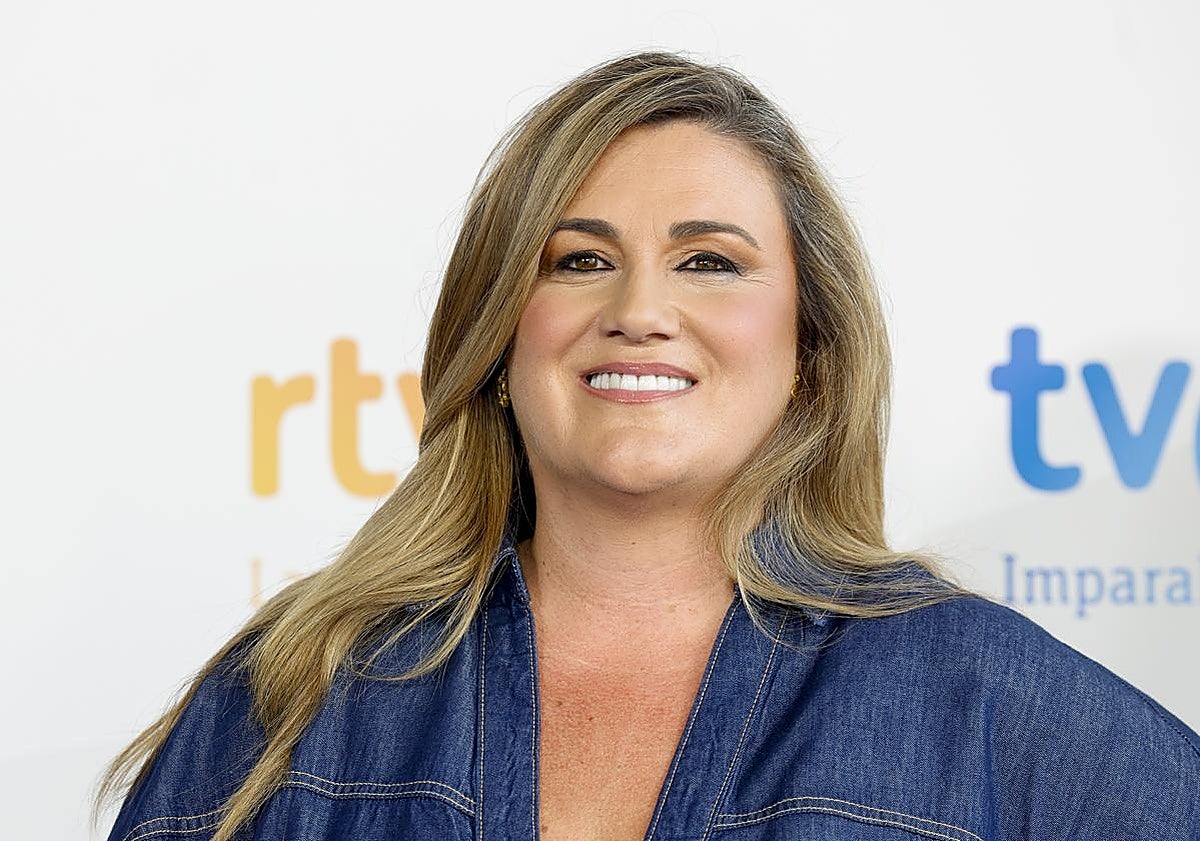
Spanish journalist Carlota Corredera has made a documentary about the children left behind when their mothers are killed by a partner or ex-partner, a group she says Spain has effectively abandoned. The film, La vida sin ellas, begins airing in daily installments from Monday, November 23, in the week marking November 25, the International Day for the Elimination of Violence against Women.
Corredera told MUJERHOY that the headline of the project is that this country forgot about the children left without a mother once the cameras moved on.
She said the documentary aims to show what happens to these children once the minute of silence ends, the candles are put out and the media stop covering each case. According to Corredera, the central problem is administrative and legal: she said there are many loopholes of what she called patriarchal justice, with sexism seeping into the courts, and that for many years the priority was the rights of fathers, even fathers who had killed the children's mothers.
Legal gaps and bureaucratic hurdles
Corredera said working on the documentary was a mission for her and another step in her campaign against gender violence, but that it also surprised her by exposing how much protection killers themselves have been given in Spain. She said some men convicted of killing their partners had gone on to collect widow's pensions after murdering their wives.
She said most of the murdered mothers in the testimonies had been young and had paid little into the social security system, meaning their children were entitled to very little support. Because of this, she said, it was in some ways an advantage for the children if their fathers killed themselves after murdering their mothers, since that triggered a higher payout for the children.
The documentary also sets out the bureaucratic obstacles that deepen the children's grief. Corredera said that to issue an orphan's national identity card, families have had to bring in press clippings reporting the murder. A formal court sentence is also required, and she said these trials often drag on for a long time, leaving families suspended in what she called an emotional and legal limbo between the killing and the verdict.
The stigma of being a victim's child
Corredera said the stigma of being the child of a murdered mother follows these children into nearly every part of daily life. She said it is very difficult for a child orphaned by gender violence to openly admit it, and that when asked about their mothers they typically lie, saying their mother died of cancer or in an accident rather than explain what really happened.
Corredera said she felt deeply grateful to the families who agreed to share their stories on camera. A team led by the journalist spent months living alongside the families, building the trust needed to tell accounts that had otherwise gone untold.
A single point of contact, Corredera says, is the fix
Asked about a solution, Corredera pointed to the idea of a single administrative window where families could handle all the paperwork and support they need in one place. She said it was essential for victims of gender violence to be given the same rights already won for victims of ETA terrorism. She said the state offers little beyond minimal orphanhood benefits, though the Fundación Mujeres does provide support to these families.
Five families, five testimonies
The documentary includes five stories. Teresa describes taking custody of her three grandchildren after her daughter Patricia was murdered by her husband, and having to contend with a court ruling that required the children to visit their father in prison.
Juani and Paloma, the mother and sister of Jessica, describe the fear they live with knowing that the man who killed their daughter and sister is free and living in the same city.
Eva Vigo's testimony covers several forms of violence across her life. She says in the documentary that her father killed her mother, her ex-husband raped her and her grandmother enslaved her, but that she is still here, alive.
Corredera said it should not be so difficult to reach agreement on an issue that should never lack consensus, especially when it comes to the most invisible victims of all: the children.
What happens next
The documentary La vida sin ellas airs in daily installments from Monday, November 23, through Friday that week.
Test yourself
What is the title of Carlota Corredera's documentary?
According to Corredera, what administrative document requires press clippings of the murder?
Who does Teresa's testimony in the documentary focus on?