

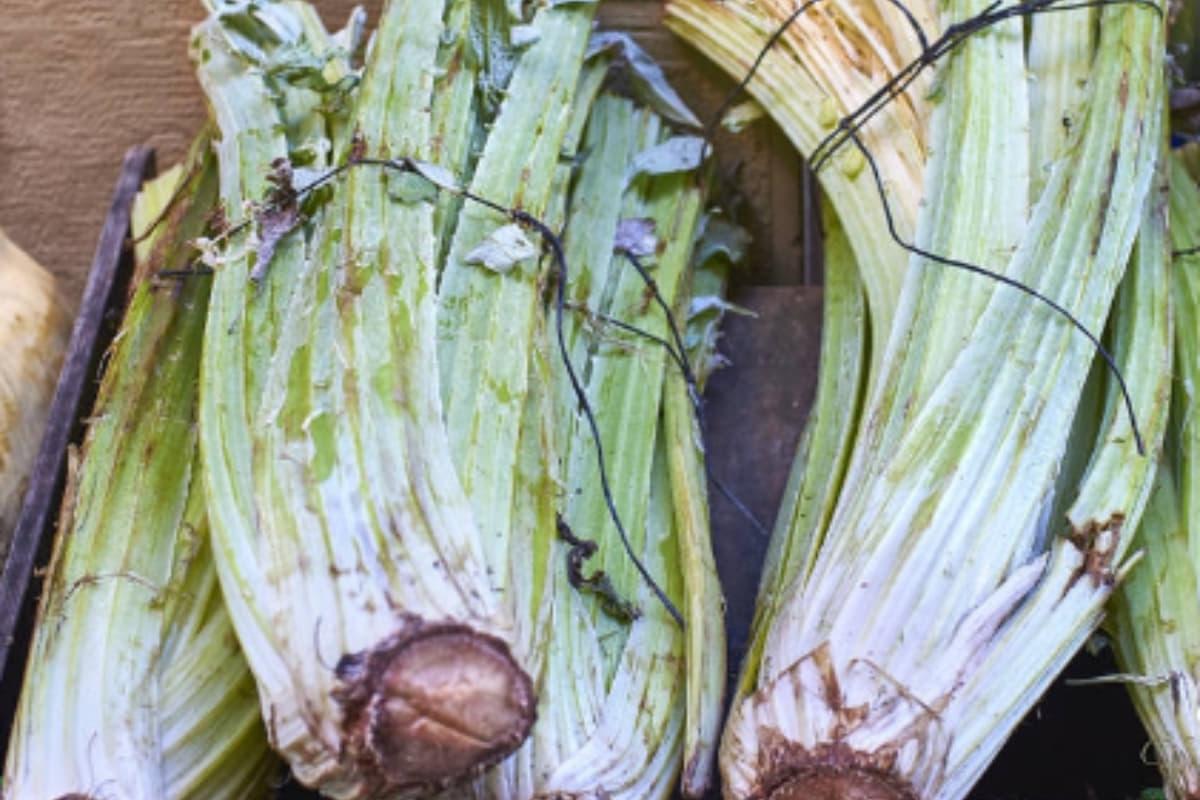
Cardoon, a close relative of the artichoke native to the Mediterranean, holds a special place in European markets even though it remains little known in Ukraine. In Italy, Spain and France, generations of cooks have prepared the vegetable during the colder months for its light texture and rich vitamin content, according to nlc.
The vegetable is easy to mistake for overgrown celery, with thick, ribbed stalks and deeply cut, thistle-like leaves. It is mainly the fleshy stalks that are eaten. The taste, however, is quite different from celery, resembling artichoke but richer, with a slight bitterness, a nutty note and a mild sweetness that becomes more pronounced during cooking.
The report noted that cardoon's main advantage is its low calorie count, with 100 grams containing about 17 kilocalories. The vegetable also supplies fibre, potassium, magnesium, copper and folate. Folate supports normal cell division, while potassium helps maintain muscle function and normal blood pressure. Its fibre content helps people feel full for longer and supports digestion.
Scientists study its composition
Researchers have identified a range of bioactive compounds in cardoon, including polyphenols, phenolic acids and inulin. Among the compounds found are luteolin, chlorogenic acid and cynarin, some of which have antioxidant properties and may help protect cells from oxidative stress.
Scientists are also examining how substances in cardoon might affect fat metabolism, liver function and glucose levels. However, the report cautioned that most of the promising findings come from concentrated plant extracts, so it would be incorrect to automatically apply them to ordinary consumption of the vegetable as food.
How it's prepared
In the Mediterranean, cardoon is most often boiled, stewed or oven-roasted. Before cooking, the tough outer fibrous layer is removed from the thick stalks, much as with older celery, and the stalks are then briefly boiled. The vegetable is then added to soups and stews, sauteed with garlic, or baked.
One popular preparation involves baking cardoon with parmesan, olive oil and breadcrumbs. Cardoon also pairs well with garlic, tomatoes and aged cheeses, meaning artichoke fans are likely to enjoy it as well.


