


Bubión, a white mountain village in Granada's Alpujarra region, preserves Spain's last surviving Berber architectural heritage along the slopes of Sierra Nevada.
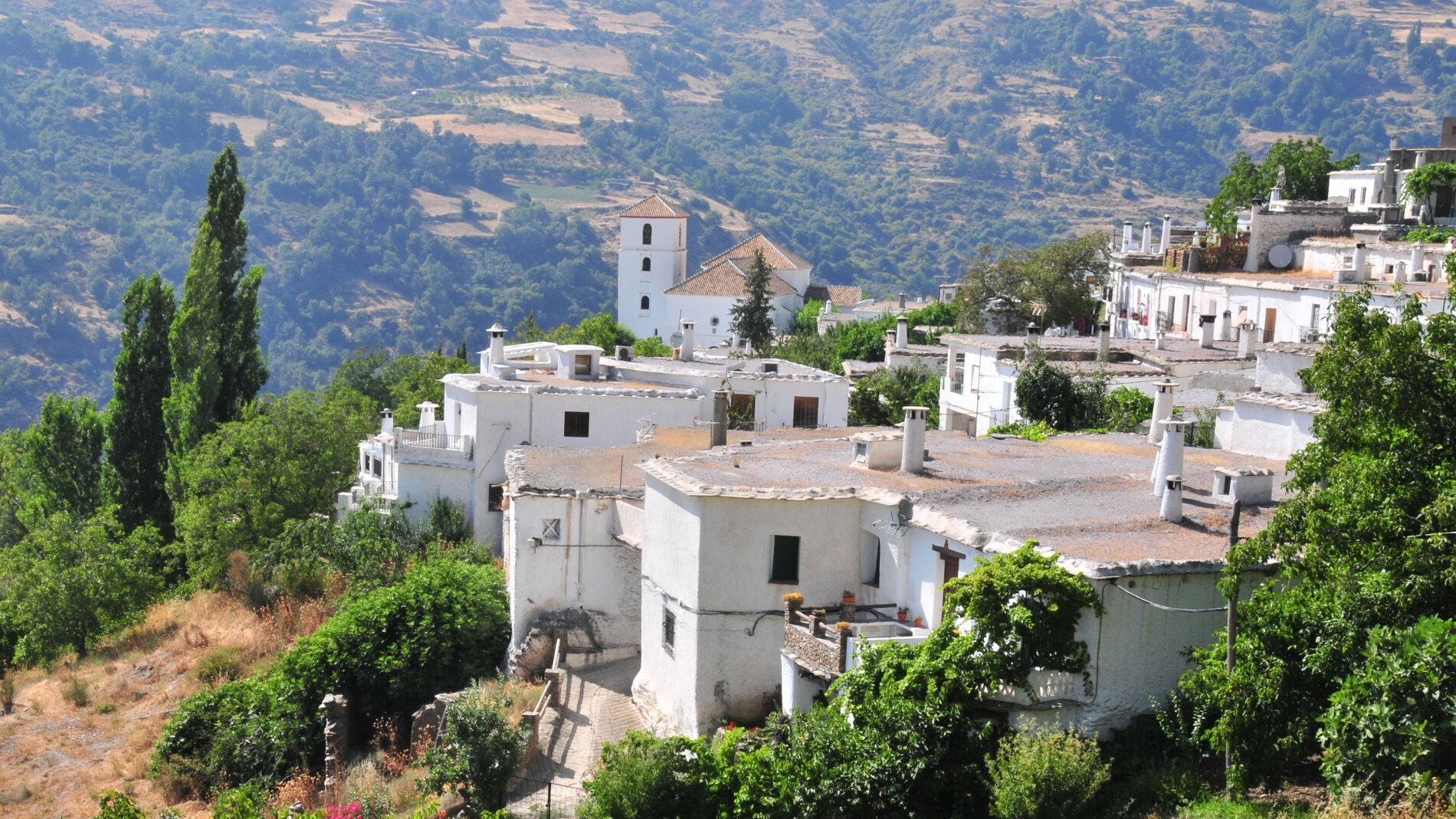
Positioned at an altitude of 1,300 metres in the Poqueira Gorge, the municipality forms the trio of settlements that defines the valley alongside Capileira and Pampaneira.
The village features cubic white houses, flat slate roofs, and steep stepped terraces that blend into one another. Visitors frequently ask whether the location is still in Spain or on another continent.
Berber architectural heritage
The architectural design of Bubión closely matches Moroccan villages found in the Atlas and Rif mountain ranges. This structural layout reflects the legacy of Berber settlers who inhabited the area during the period of Muslim rule in the Iberian Peninsula.
The settlers introduced a construction method specifically engineered to withstand mountain cold, adapt to steep vertical terrain, and maximize space. Because this layout has survived intact, Bubión is regarded as the last Berber village in Spain.
Centuries of settlement history
While Arab aesthetics define the town's current appearance, human settlement in the area predates the Moorish era. Archaeological discoveries in the 19th century uncovered Roman burials in the district, while historical chronicles record a small Gothic settlement established in the late 4th century.
Bubión gained major historical significance during the 13th century. At that time, the village served as the administrative headquarters of the Taha de Poqueira, the Muslim governing district overseeing the entire gorge.
The name of the village originated prior to the arrival of Berber builders. Romans named the location Bovium, meaning land of oxen, due to its history as grazing pasture.
Protected status and natural enclave
Spain granted formal heritage protection to the village on November 29, 1982, through Royal Decree 3237/1982. The decree designated the area as a Historic-Artistic Site, encompassing the entire municipal territories of Bubión, Capileira, and Pampaneira, as well as the peaks of Sierra Nevada, an unusual scope of protection for that period.
The entire municipality sits within the Sierra Nevada National and Natural Park. In April 1986, UNESCO added further environmental recognition by declaring the mountain space a Biosphere Reserve.
Bubión joined the association of The Most Beautiful Villages of Spain in 2018. These combined designations have maintained the town as one of Spain's most protected natural enclaves for more than 40 years.
Historic landmarks and cultural museums
Key architectural landmarks in the village include the Parish Church of Our Lady of the Rosary, situated adjacent to the Town Hall. The church features Mudejar architecture, a style developed by Muslim artisans building Christian structures following the Reconquista.
Visitors can inspect traditional chestnut wood architecture along Alcalde Juan Pérez Ramón Street and Trocadero Street by visiting the tinaos, covered passageways characteristic of the town. Running water flows through historical fountains and washhouses along these streets, led by the Fuente del Lavadero, which remains the most popular water source among local residents due to its strong flow and water quality.
The town operates two municipal museums documenting local history. The Alpujarra House Municipal Museum, located in Plaza de la Iglesia, exhibits everyday historical items used by residents, while the Bubión Agriculture Museum demonstrates traditional farming techniques developed for working land at 1,300 metres above sea level.
The Burial of the Vixen festival
For travellers seeking history and quiet, Bubión provides a secluded destination set along steep mountain inclines. Visitors arriving in late August can observe the annual Burial of the Vixen festival.
Held during the town's patron saint celebrations, local residents parade through the streets carrying the zorra, a figure filled with fireworks. Participants ignite the figure at the conclusion of the event.
The traditional ritual has remained largely unchanged across generations. On the night of August 25, the celebration transforms Bubión into the main festival hub of the Poqueira Valley.


