

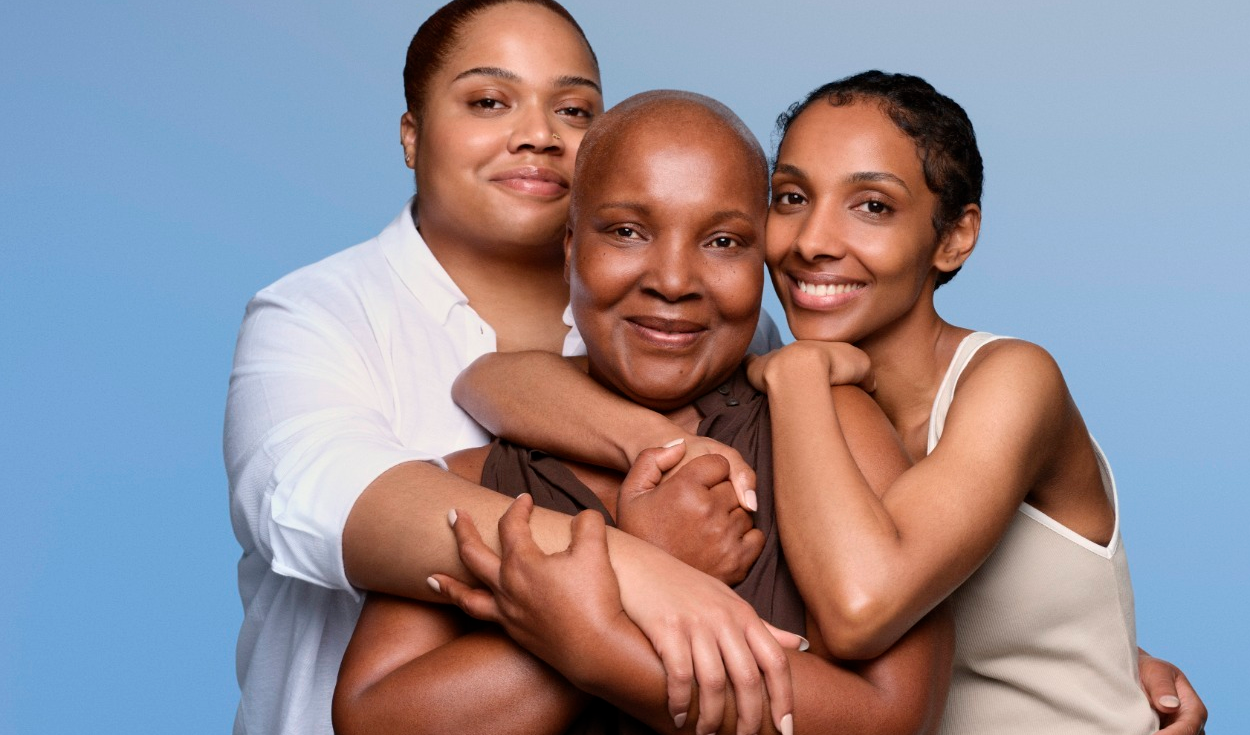
More than 7,600 women across Peru received breast cancer checks this year as dermatologist Dr Evelinne Otero outlined five essential detection and skin care guidelines.
The screening figures, recorded between January and July 2026, were achieved through a network of 29 digital mammographs operating across 17 regions, according to the Ministry of Health (Minsa).
Health officials noted that the diagnostic milestone demonstrates the urgent need to expand public healthcare services and promote early detection nationwide.
Digital mammography uses low-dose X-ray technology to capture detailed electronic images of breast tissue, enabling doctors to spot tiny calcifications and tumors years before they can be felt by hand.
In Peru, the Ministry of Health oversees national hospital networks and disease prevention programs to improve access for patients living outside major metropolitan centers.
Otero presented the five recommendations as part of Pink October, an annual global awareness campaign dedicated to breast health, early diagnosis, and patient care.
As a specialist with skincare brand La Roche-Posay, she also highlighted the medical need to protect and restore skin during intensive cancer treatments.
Family history and lifestyle habits
Otero first urged individuals to review their family medical history, pointing out that having relatives who had breast or ovarian cancer increases personal risk.
She advised patients to share this family history with a healthcare professional to determine whether they require specialized evaluation or a tailored monitoring schedule.
Genetic background plays a significant role in cancer risk because inherited mutations, including changes in the BRCA1 and BRCA2 genes, can dramatically raise the lifetime chances of developing breast and ovarian tumors.
Early conversations with doctors allow families with a history of disease to begin surveillance earlier than the general population.
In her second recommendation, Otero emphasized that everyday lifestyle choices can help reduce the chance of developing breast cancer.
She advised maintaining regular physical activity, managing a healthy body weight, and avoiding alcohol consumption.
The dermatologist reminded patients that the International Agency for Research on Cancer (IARC) classifies alcohol as a Group 1 carcinogen because solid scientific evidence proves that it causes cancer.
The Lyon-based agency, which operates as the specialized cancer division of the World Health Organization, assigns Group 1 status only to substances with proven carcinogenic effects in humans.
Screening schedules and warning signs
Otero pointed to regular medical consultations as the third key step, emphasizing that a mammogram can reveal physical changes before a person can feel them.
She advised people to follow established screening guidelines based on their age and specific risk factors, even when they feel completely well, and to ask a doctor when to start screenings and how often to repeat them.
The fourth recommendation calls on people to recognize physical warning signs that require prompt medical attention.
Otero said individuals must watch for lumps in the breast or armpit, visible shifts in breast size or shape, non-healing sores, and skin texture changes such as a dimpled orange peel appearance.
She also highlighted persistent nipple changes that look like an allergy or eczema, warning that patients and doctors can easily mistake these symptoms for common skin issues and delay a cancer diagnosis.
Anyone noticing these symptoms should schedule a clinical examination immediately rather than waiting for their next routine screening appointment.
The textured change often described as orange peel skin, known medically as peau d'orange, occurs when tumor cells obstruct tiny lymphatic vessels in the skin, causing swelling and dimpling around hair follicles.
Similarly, unexplained crusting or redness around the nipple can signal underlying conditions such as Paget's disease of the breast, which requires prompt histological investigation.
Skin care during cancer treatment
The final recommendation focuses on managing the skin changes that frequently arise during oncological therapy.
Otero explained that treatments can cause severe skin dryness, irritation, heightened sensitivity, and photosensitivity, which makes the skin react painfully to sunlight.
She urged patients to report any skin reactions directly to their oncology team to find products suited to their specific condition.
Patients must avoid self-medicating with unverified over-the-counter creams, Otero said, and should seek prompt professional guidance if they experience an intense dermatological reaction.
Otero explained that dermatological care should accompany cancer therapies from the start because oncological treatments can alter the skin, hair, and nails.
These side effects can include severe dryness, increased sensitivity, hair loss, and extreme sun sensitivity, which require personalized care plans to protect patient well-being.
Oncological therapies such as chemotherapy, targeted agents, and radiation often damage rapidly dividing healthy cells in the epidermis, scalp, and nail beds alongside cancer cells.
Otero shared the advice through Fight With Care, a global program established by La Roche-Posay to support cancer patients and their caregivers with specialized skin health resources throughout their treatment journeys.


