

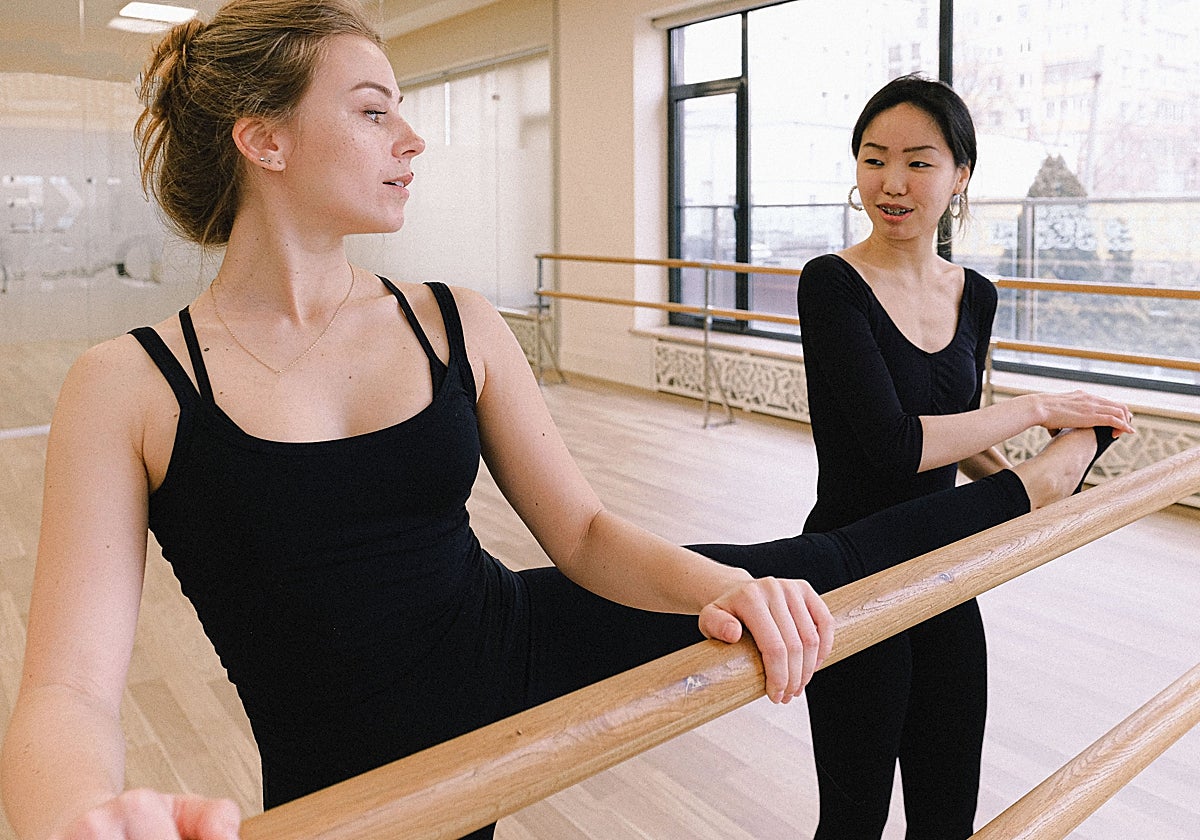
Barre classes are drawing a growing wave of women into studios, with instructors describing the low-impact workout as being in the middle of a genuine boom. The deceptively gentle-looking routine relies on tiny, repeated movements called micropulses that exhaust the muscle until it begins to shake.
Ainhoa Macho Rodríguez, a barre instructor at the We/On studio and founder of LateBarre, said it is often the phrases shouted mid-class, such as calls for a few more repetitions or to hold an isometric position, that make new students realise barre is not as soft as it looks. According to Macho, her students would say the idea that barre is gentle only holds up if you have never actually tried it.
No-impact cardio and a sense of community
Macho, who is also a professional dancer and teaches yoga, Pilates and dance, said barre is currently having a real moment. She said interest in healthy habits typically rises after summer, and this year the discipline is having its biggest boom yet. Some women are drawn in by the chance to do cardio without jumping, others by a wish to connect with their inner dancer or with the music, but all of them, she said, find that time flies during class.
Its biggest selling point, according to Macho, is that it allows people to work on cardiovascular fitness without jumping, which makes it attractive to people with injuries or joint problems, as well as to women who are pregnant or in the postpartum period. Barre also works every major muscle group along with flexibility and balance, and because it is practised in a group setting, it builds a sense of community. Macho described each class as feeling like a party, adding that the teamwork and the music release endorphins, so it is normal to leave class feeling noticeably better than you did going in.
Posture is the first thing to change
Macho said the first visible change students notice is in their posture. Many conventional workouts build movement around flexing the trunk and leaning forward, while barre instead prioritises axial elongation. Students work on a vertical alignment, keeping the shoulders, pelvis and feet along the same axis, combined with the hip opening typical of dancers. Macho said this is especially useful for people who spend long hours sitting in front of a computer.
Results take some patience. Macho said it generally takes around three months of consistent practice before students notice real control over their body and new freedom of movement. The legs start to look stronger and more toned, the shoulders lose tension, and, in her words, people begin to notice how the abdomen wraps around the spine and holds the whole body together.
A workout for body and mind
Holding the muscular effort while also trying to memorise a sequence of movements is not easy either, which is part of why barre is considered a mind-body discipline. Macho said the body is working hard, but the mind stays extremely active throughout, a combination she calls moving meditation. In early classes, she said, many students discover muscles they did not know they had, and finish the class's closing stretch with the satisfaction of having done solid work.
Two classes a week to get through December
To stay in shape heading into December, Macho recommends two barre classes a week, though she stressed that consistency matters more than any specific number, since the body needs time to adapt to new habits. She said that once barre classes become part of a weekly routine, the gains in results become significant.
Even so, barre is not designed to build muscle mass. Macho said anyone aiming for hypertrophy should pair it with dedicated strength training, and more broadly, she likes the idea of mixing disciplines, suggesting barre can be combined with strength sessions, yoga or dance.
For anyone who has only managed three classes in November, Macho's advice for training at home is simple: use a chair in place of the ballet barre, put on a favourite playlist and start moving through pliés and relevés. As she put it, that is when the party can begin.
Test yourself
According to instructor Ainhoa Macho Rodríguez, what is the first physical change barre students notice?
Why does barre appeal to people with joint problems or pregnant and postpartum women, per the article?
How many barre classes a week does Macho recommend for best results?
Have your say
Would you try a low-impact workout like barre?

