

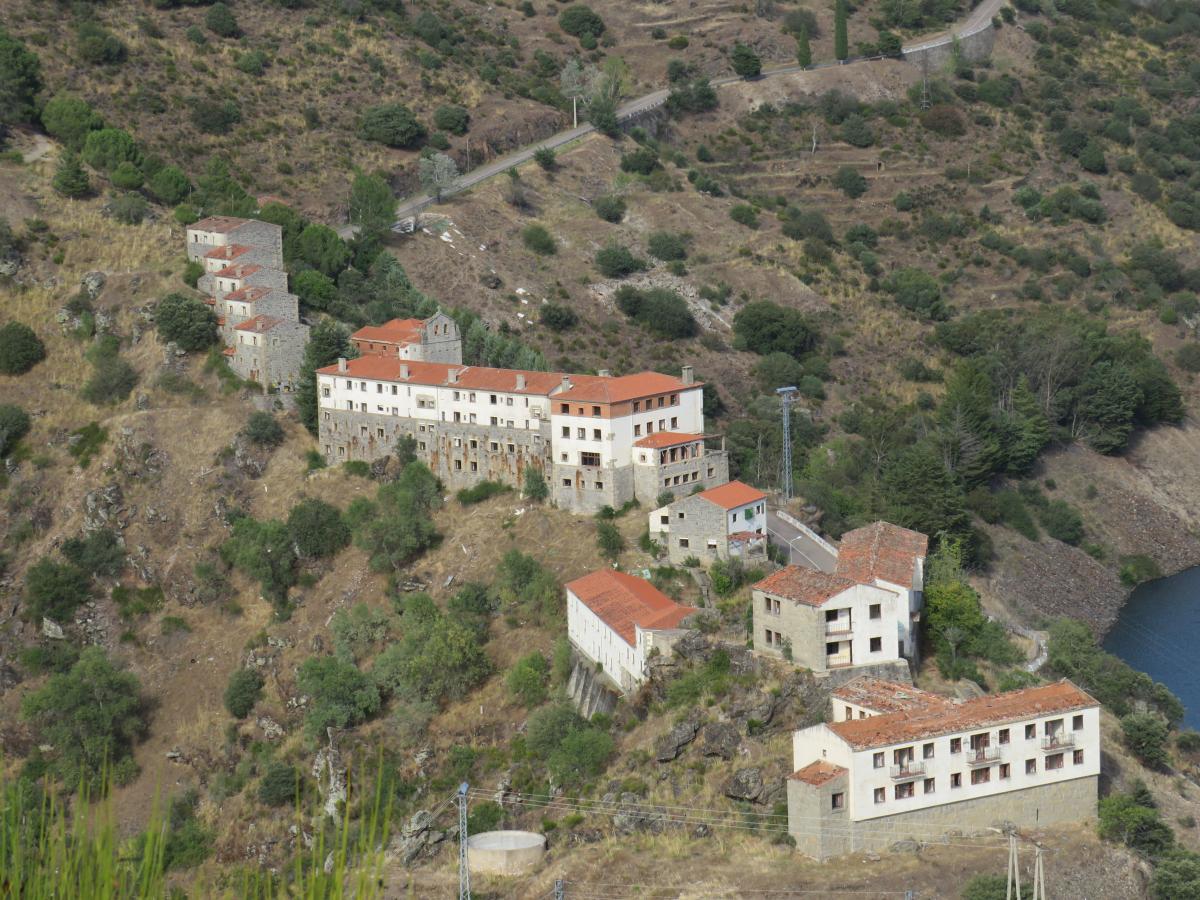
Jason Lee Beckwith, a United States citizen, has bought the abandoned Spanish village of Salto de Castro in the province of Zamora for 310,000 euros, with plans to transform it into a tourism and residential complex, Spanish newspaper El País reported.
Salto de Castro was founded in 1946 by the energy company Iberdrola as housing for workers at a local hydroelectric plant and their families. The village emptied out in 1989, when the last residents left and the local Civil Guard post closed, and it has since fallen into disrepair through the passage of time and vandalism.
The settlement has changed hands several times since then. A private individual bought it in 2000, and an entrepreneur from Toledo purchased it for 300,000 euros in 2022, only for his company to abandon its restoration project within a year. The village was put back up for sale until Beckwith took an interest.
A New Life for the Village
Beckwith said he had fallen in love with the region, describing it as a paradise, and has already settled nearby with his wife while planning to eventually move into Salto de Castro itself. Writing on Instagram, he said they had just taken a huge step forward, announcing that the project had received official approval from Spain's Ministry of Industry and Tourism.
According to Beckwith, he intends to restore 44 houses, a school, a church, a bar and the village's former Civil Guard barracks. The first phase of work will cover the main building with hotel rooms, a restaurant, a reception area, a swimming pool and rest areas with grills for barbecues. He hopes to turn the old church into a venue for special events.
He said the finished village would be a place that everyone could enjoy, regardless of budget.
Cost and Environmental Concerns
The full cost of reviving the village could reach six million euros, according to Beckwith, who is seeking international investors and hopes to secure subsidies from the Spanish government and the European Union.
Reaction to the project is mixed. The mayor of the neighbouring town of Fonfría and former residents of the village have backed the plan enthusiastically, but environmentalists have raised concerns about the impact of construction on the Arribes del Duero natural park, which is recognised by UNESCO and forms part of the European Union's Natura 2000 conservation network. Spanish journalists covering the project say its future will depend on striking a balance between protecting the environment, economic viability and tourism planning.
Spain has seen growing interest in remote villages sold cheaply as authorities try to slow rural depopulation. One local government roughly two hours' drive from Madrid has offered land at little or no cost to stop residents leaving a dying village, though buyers there face a strict set of conditions.


