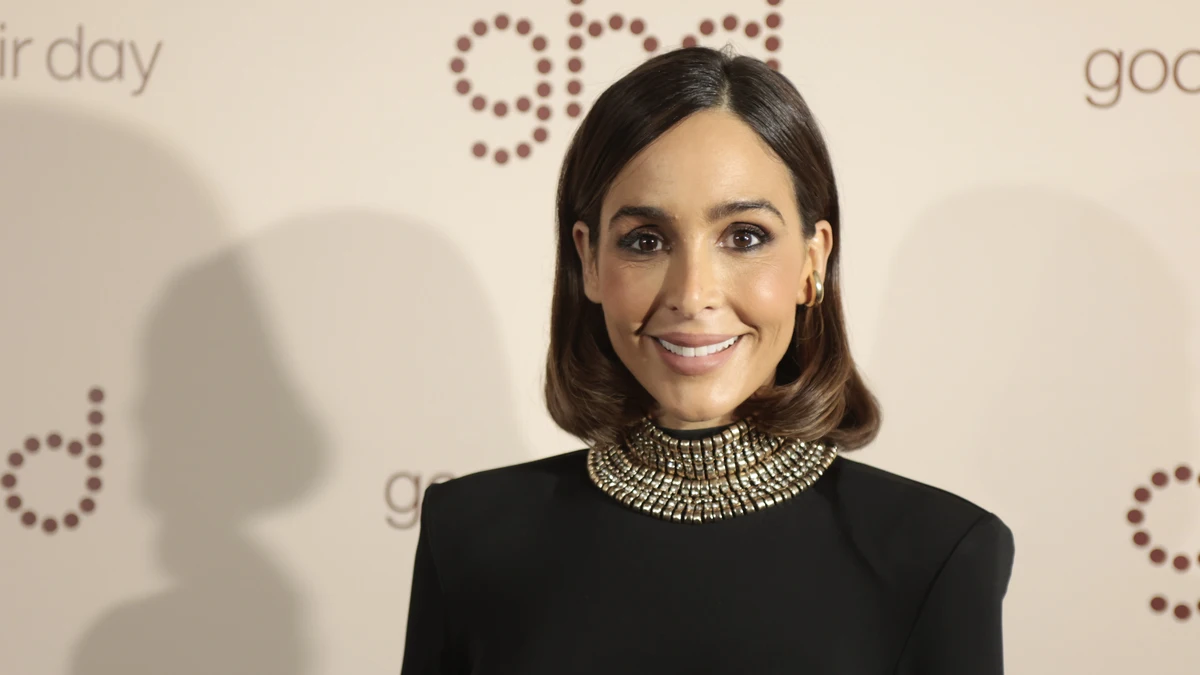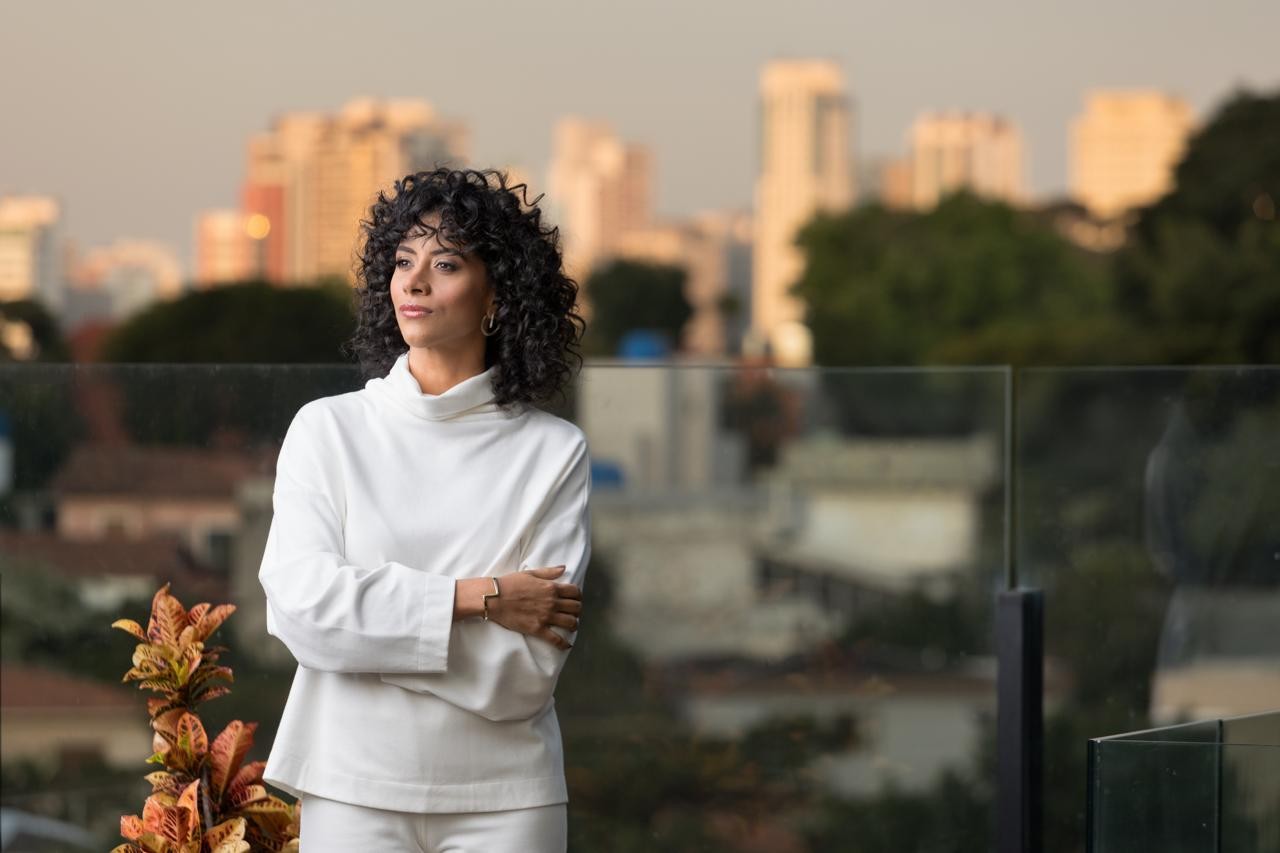
Aline Midlej, a journalist with the Brazilian broadcaster Globo News, used her latest column to draw a direct line between a newly published dystopian novel and the real sentencing of Iranian singer Parastoo Ahmadi, who was ordered to receive 74 lashes for performing in public without an Islamic headscarf.
Midlej wrote that an Iranian court convicted Ahmadi of "offending public decency by producing and publishing obscene and immoral content online." The ruling also bars Ahmadi from leaving Iran and from working as an artist.
The column, titled "We live in a violent dystopia that could be reality and fiction," appeared in the week marking the International Day for the Elimination of Violence against Women, observed on November 25. Midlej said the timing underscored how women's freedom continues to provoke a response that she called intolerable, even deadly.
A novel without a map
Midlej's column centers on A Dança de Elisa ("Elisa's Dance"), a new novel by journalist Miriam Leitão. The book follows Elisa, a dance teacher who is confronted by a mob at her door after dancing is declared a crime under a newly installed authoritarian regime.
According to Midlej, the novel contains no geographic references, dates or years, because its story could unfold anywhere, at any time. In the plot, informants denounce free women to the regime, filling their own emptiness with false authority aimed at women who found the courage to be themselves.
Midlej wrote that the fictional pages written by Leitão rightly warn that the cracks that allow dictatorship to take hold are always open, watching for small pleasures that people treat as natural and permanent, until the opposite happens.
She noted that Elisa and Ahmadi are close in age and could live in the same city, yet one exists in necessary, unsettling fiction while the other made real headlines, provoking outrage.
When hatred overcomes fear
Midlej wrote that in Ahmadi's case, hatred won out over fear, and that when that happens, the dancer can no longer dance, the philosopher can no longer think, the artist can no longer sculpt, and the mathematician is forced to search for logic outside reason.
She said those are the same pressures faced by the novel's characters, including Elisa, who are afraid both to stay and to flee, and who find a way forward through a network of mutual support among women. A small revolution grows from each woman involved, Midlej wrote, even as paralysis threatens to take hold.
Iran's hijab protests
Midlej placed Ahmadi's sentence in the context of years of resistance by Iranian women, particularly since 2022, when mandatory hijab rules became the focus of mass protests. Those demonstrations followed the death in custody that year of Mahsa Amini, who had been detained for allegedly violating Iran's dress code. Her death gave rise to the "Woman, Life, Freedom" movement, and restrictions on women have faced growing challenges ever since.
Midlej noted that in December 2024, the Iranian government temporarily suspended the rollout of new legislation that would have imposed harsher penalties on women who refuse to wear the hijab, for fear of triggering another wave of protests.
A global death toll
Citing United Nations figures, Midlej wrote that five women and girls were killed every hour around the world in 2025. She argued that rising violence is a response to a resistance that has endured for centuries, and pointed to a world in which elected women attack the very gains in women's rights without which a woman's election would never have been possible in the first place.
Miriam Leitão's own history
Midlej described Leitão as an admirable colleague who was herself a witness to, and victim of, a dictatorship, and who, together with Midlej and other colleagues, reported on an attempted coup d'etat in Brazil a few years ago.
Midlej wrote that the novel's protagonist says, at one point, that no single life has room for two tyrannies. She said Leitão's Elisa, aware of the past and of the turns the future could still take, chooses to remain free through her own dance, joined by other women moving to the same rhythm of resistance.
Midlej closed her column by writing that people can differ by nature yet remain equal in many ways, bound together by fate and by the shared mission of staying alive, since there is no life without freedom, in reality or in fiction. She urged readers to keep fighting for life and for bodies in motion, together, in reality and in fiction.
Test yourself
What punishment did Parastoo Ahmadi receive for singing in public without a hijab?
What UN figure did Aline Midlej cite in her column?
What event in 2022 helped spark the Woman, Life, Freedom movement?