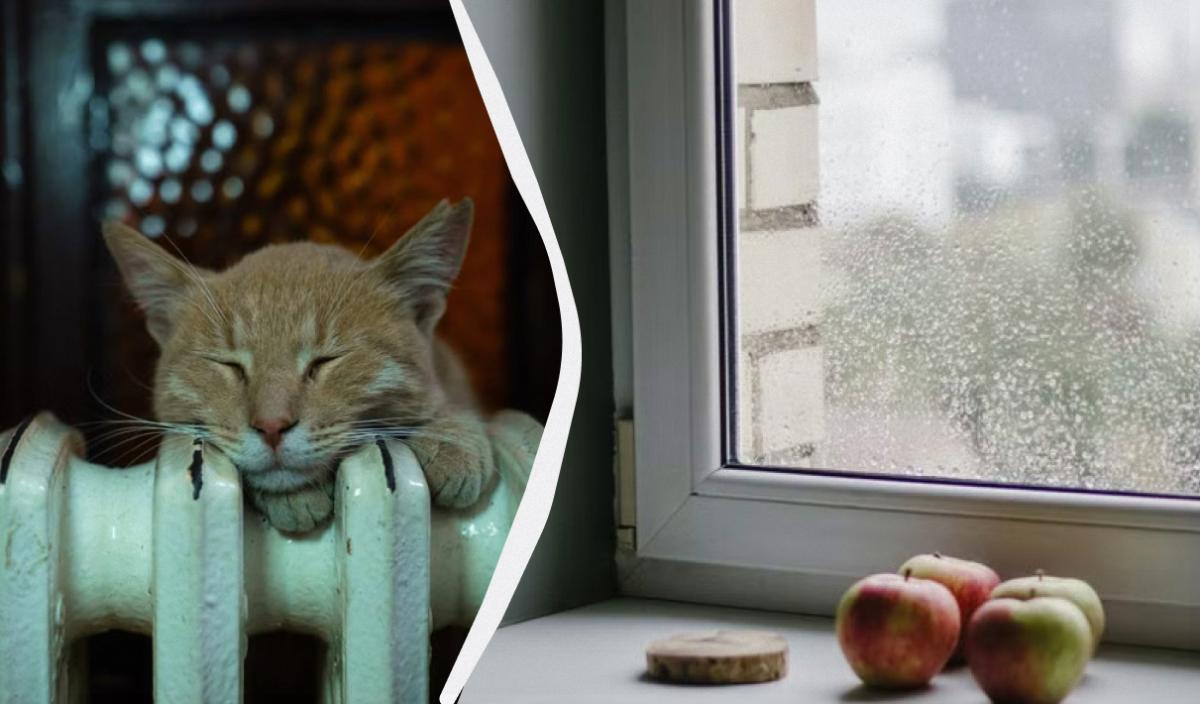
As cold weather sets in, many homeowners search online for how to switch their windows into "winter mode" to stop cold air seeping into their homes. But Anastasiia Dorohan, founder and head of the window company Vikna Lux, told UNIAN that doing so is unnecessary, and explained why the idea has become such a popular myth.
Dorohan said modern window fittings do not require a mandatory seasonal switch between summer and winter settings. The only real change that happens over time, she said, is a slight shift in the window's shape caused by temperature swings.
In summer, the plastic window profile heats up in the sun and expands slightly, while in winter the cold makes it contract, she said.
What winter mode actually means
Dorohan explained that the so-called winter mode refers to adjusting how firmly the sash presses against the frame, using small fittings called eccentrics. But increasing that pressure does not automatically improve a window's insulation, she said.
If a window is properly installed, the fittings are in good working order and the seal is in good condition, there is no need to increase the pressure any further, she said.
She added that after long-term use, fittings or the fit of the sash sometimes need slight adjustment, but this does not have to be done every year. It depends on the window's condition and how well it is still performing, she said.
Over time, the rubber seal can lose its elasticity, deform, wear down or crack, Dorohan said. How quickly that happens depends on the quality of the material and the conditions it is used in. Sometimes a seal lasts two years, and sometimes ten, she said. If the seal has already deteriorated, it needs to be replaced, which can help fix the problem of cold air getting through the window.
Draughts and condensation are not the same problem
Dorohan stressed the importance of separating two different issues: draughts and condensation. Windows fog up because warm, moist air inside a room meets the cold surface of the glass, and as the glass temperature drops, moisture in the air settles on it as droplets, she explained.
If cold air is coming through a window, the cause is not necessarily the glass unit itself, she said. The problem could lie in incorrectly adjusted fittings, a worn seal or mistakes made during installation, Dorohan said.
She added that the glass unit's own characteristics also play a role, including whether it has an energy-saving coating, whether its chambers are filled with argon, as well as the indoor temperature and humidity level.
Humidity is often the real culprit
Dorohan said that, in her own experience, the main cause of fogged-up windows in many cases is raised humidity inside the home combined with insufficient ventilation. Even the most expensive glass unit does not guarantee an absence of condensation, she said.
How to look after your windows
Dorohan also advised on general window maintenance. She said seals should be cleaned regularly to stop dust and dirt building up on them, but that adjusting the fittings themselves is better left to professionals.
If a company installed the windows, it is worth contacting that company first while the warranty is still valid, she said.
Once the warranty has expired, homeowners can turn to any specialised company, Dorohan said. She does not recommend adjusting the fittings without understanding how they work.
Dorohan has more than 20 years of experience in the PVC window industry, having worked across production, sales and business management. Vikna Lux has 15 years of experience and has completed projects across Ukraine, according to the company.