
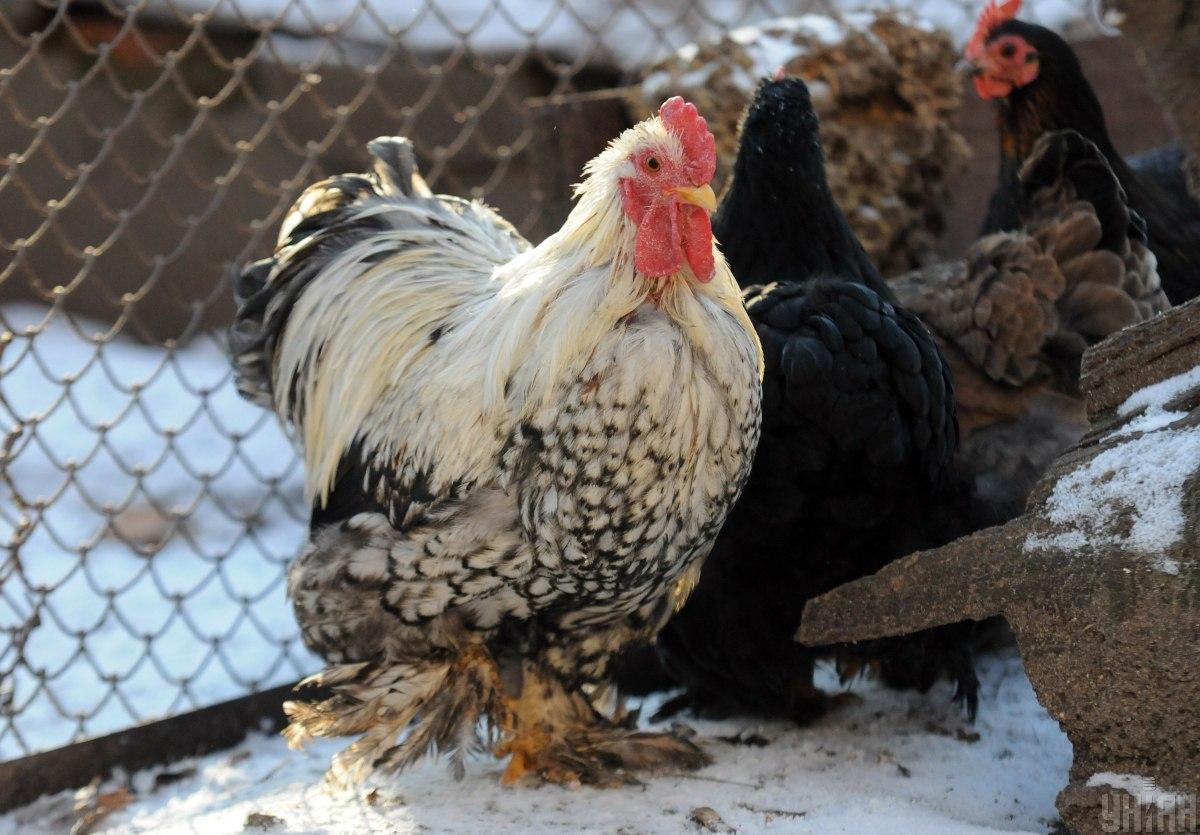
Chickens lay fewer eggs in autumn and winter, and sometimes stop laying altogether, because of shrinking daylight hours rather than cold weather alone, according to magyarmezogazdasag.hu. The outlet reports that egg-laying in hens is governed by day length, and farmers across the season often notice a sharp drop in output.
Style notes
- Hens lay fewer eggs in autumn and winter mainly because of shorter daylight, not cold temperatures.
- Egg-laying drops noticeably once natural daylight falls below 10 to 12 hours a day.
- Experts recommend 14 to 16 hours of daily light to maintain egg production.
- Adding morning light rather than cutting evening light avoids startling hens into panic and injury.
- Hens need at least eight hours of uninterrupted darkness, and lighting changes should be introduced gradually.
The material explains that hens are among the animals sensitive to day length, with their hormonal systems strongly affected by how much light they receive each day. As autumn and winter days grow shorter, the reduced light stimulus disrupts the hormonal processes that regulate egg-laying, leading to lower ovulation and fewer eggs.
The change becomes especially noticeable once natural daylight falls below 10 to 12 hours a day. Specialists recommend providing 14 to 16 hours of light daily to maintain productivity. Industrial egg producers have long accounted for this by using controlled lighting programmes to regulate the daily light dose their laying hens receive.
Extending morning light as a fix
According to the experts cited, artificial lighting is a method that can also be used on small, home-based farms. A lamp installed in the henhouse can extend the daylight period, so the birds' bodies continue to receive enough light stimulus to keep laying.
The material adds that this also matters for animal welfare. Following their natural behaviour, hens return to their roost at sunset, and if the light is suddenly switched off in the evening, the unexpected darkness can disturb them, causing panic, crowding and injuries among the birds. Extending the morning lighting instead avoids this problem while preserving the hens' natural evening rest pattern.
Any lighting programme should be introduced gradually, avoiding sudden changes, the material notes. It is also important to ensure hens get at least eight hours of uninterrupted darkness.
Feeding advice for winter
Particular attention should also be paid to proper feeding during the winter months. Alongside a balanced main feed, moderately introducing protein sources such as mealworms or black soldier fly larvae during moulting can help support new feather growth. Ground oyster shell can also be used to replenish calcium.
Other expert tips
Separately, specialists have previously explained where pies should be placed in the oven to bake properly, with pastry chef Maggie Davis advising that pies bake best nearer the bottom of the oven. It has also been reported that toilet paper rolls can be useful around the house and garden, with experts suggesting ideas that make household tasks easier and help save money.