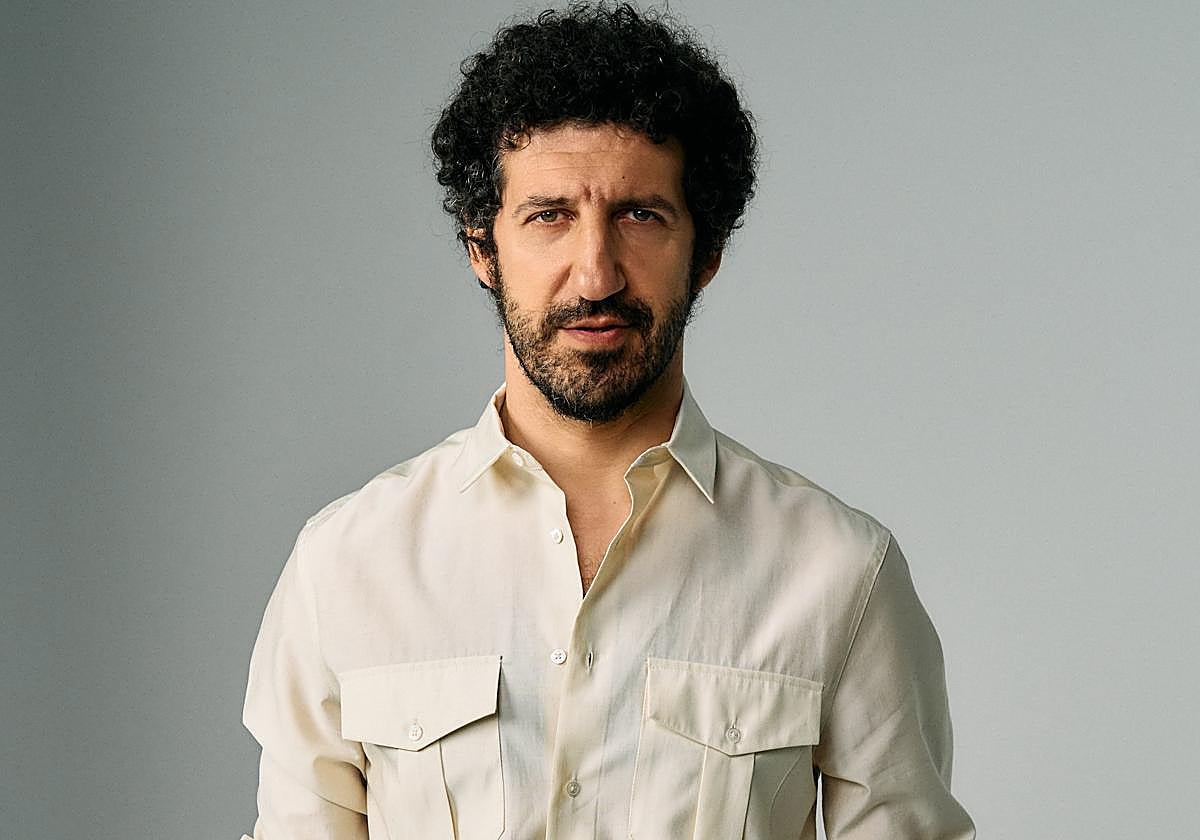
Spanish singer-songwriter Marwan has released his ninth studio album, Adrenalina, and used the interview accompanying its launch to restate his support for Palestinians and to describe what he says has been the professional cost of speaking out, including a concert in Ecuador that he said was cancelled over his activism.
Marwan, a singer-songwriter and poet with more than 25 years in Spain's "canción de autor" tradition, a genre built around lyric-driven, author-style songwriting, has built his career on love songs alongside a strong strand of social commitment. Adrenalina is his ninth album, with eleven songs about desire, intensity, wounds and the contradictions that appear in relationships.

The record arrives alongside a poetry collection, Memorias de un amor superlativo (Memories of a Superlative Love), which Marwan said completes the songs and widens the album's universe. He said the project was largely unplanned, with the exception of two songs he always intended to write: one with a social theme, and one dedicated to his parents, which he called the greatest love song of all.
A rockier sound on stage
Marwan said the album also blends his familiar intimate, lyric-focused style with a rockier sound that carries over into his live shows. He traced the shift to an accident some years ago, when he was hit by a bicycle and had to stop playing guitar for more than a year. Performing with only a microphone in his hand, he said, revealed a "showman" side he had not known he had. On stage now, he said, he is aesthetically closer to Mick Jagger than to Silvio Rodríguez, running, jumping and dancing along with the songs.
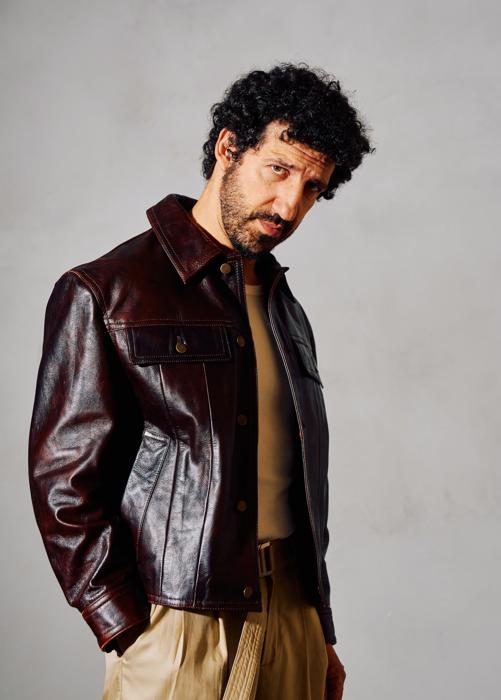
On the poetry collection, Marwan said poems allow him a freedom that songs do not, since a song, in his view, has to condense its core message into a chorus, leaving little room for the kind of drawn-out reflection a poem can carry. He said a lock appears on the album's cover and in all its music videos, symbolising the access that songwriting gives to other worlds and to intimate places, including one's own.
Self-sabotage and humour in love
Marwan said the album also deals with sentimental self-sabotage, including in the track "Mi psicóloga" (My Psychologist), which uses humour to address the tendency to overanalyse relationships. He said greater access to psychology and personal growth has brought real benefits, but that people sometimes know so much about their own emotions that they end up analysing them more than living them. He recalled a line from an earlier song of his, that people spend more time talking about love than making it, and said it could sum up the new track too.
Asked whether intense love inevitably causes pain, Marwan said he believed it did not, provided both people respect each other and avoid relationships built on control. But he said intensity often comes from old wounds, so that couples relate "from wound to wound" rather than heart to heart, which he described as capable of producing an explosive reaction.
Speaking out on Palestine
Marwan has been vocal in recent years about what he has described as the genocide in Palestine. He said he did not believe artists should be obliged to take political positions, but that he found it outrageous when people stayed silent in the face of genocide, systematic mistreatment of certain populations, or inequality. An artist, he said, remains a citizen and should take part in society; anyone with a platform capable of helping improve it who chooses not to use it, he said, is using art simply to become famous and rich while feeding their own ego.
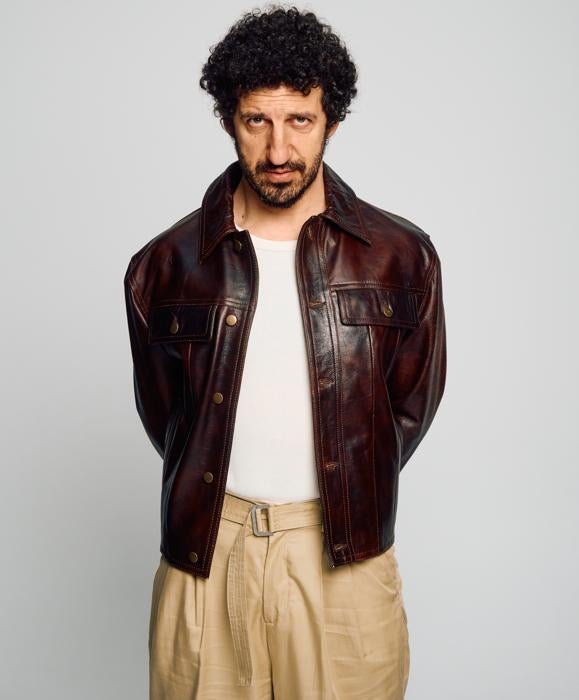
He said he had always wanted a large audience, partly out of insecurity as a young man who wanted to be applauded and loved. But he said he had also always been clear that, if he ever built a following, he wanted to use it to help Palestinian refugees and to support other causes. His first ever concert, he said, was a charity show that he organised himself.
Marwan said his political stance has come at a cost. He said he was aware of promoters who had been threatened by pro-Israel groups for booking a singer of Spanish-Palestinian origin. In Ecuador, he said, a concert of his was cancelled three days before it was due to take place because the venue, the Quito Chamber of Commerce, had close ties to Israel. He also said that taking political positions on social media had reduced his engagement, but that he intended to keep doing it.
A music industry built on immediacy
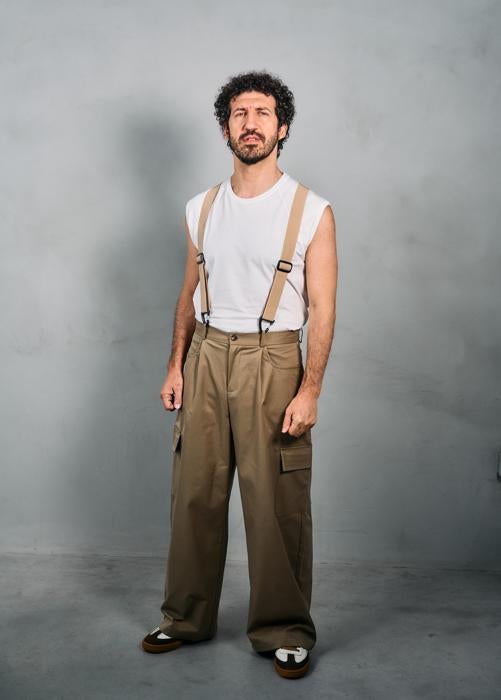
Marwan said the music industry has changed dramatically, with social media driving an obsession with constant new releases that he said works against songs having time to settle with listeners. He said songs from twenty years ago are now seen as anthems, while few anthems are produced today because everything moves too fast, with streaming habits meaning many album tracks are never heard at all. He also said that large-scale concerts increasingly favour spectacle over substance.
Touring plans
Marwan said he is eager to get back on the road. He said he already has 16 concerts scheduled in Spain, with further dates planned until May, followed by six or seven concerts in major Latin American capitals. After that, he said, he will return to Spain for festival dates over the summer before continuing to tour through autumn and winter.
What happens next
Marwan said he has 16 concerts scheduled in Spain through May, followed by six or seven dates in Latin American capitals, then festival performances in Spain over summer and further touring in autumn and winter.
Test yourself
What is the title of Marwan's new album?
Where did Marwan say one of his concerts was cancelled?
What did Marwan say forced him to stop playing guitar for over a year?