
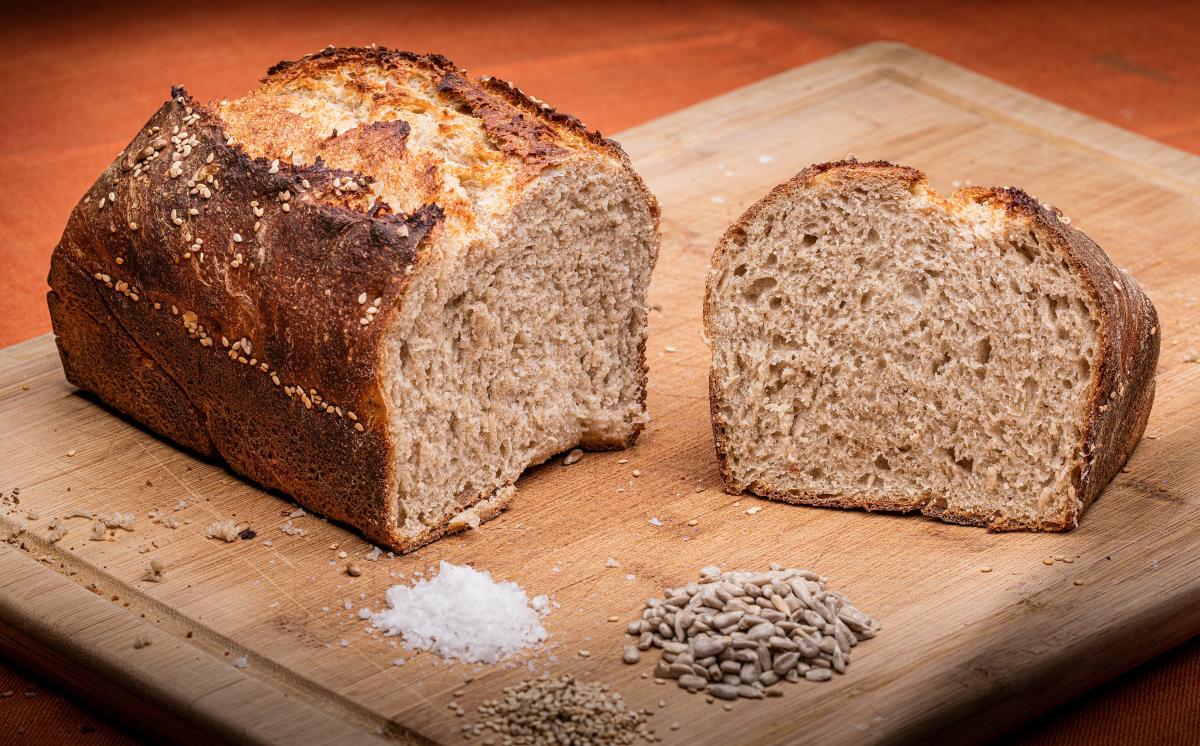
Scientists have found that replacing white bread with whole grain bread can improve blood sugar control in people with prediabetes, according to a study published in the journal Frontiers in Nutrition and reported by the Polish health outlet WP abczdrowie.
Style notes
- A clinical trial of 39 people with prediabetes compared two weeks of white bread with two weeks of whole grain wheat bread.
- Blood glucose rises during a glucose tolerance test were on average 27% smaller after whole grain bread than after white bread.
- Richard Bruno of Ohio State University said some gut microorganisms predict the health benefit even before a diet change happens.
- Participants who benefited most had more Agathobacter and Agathobaculum bacteria and less Lachnoclostridium bacteria.
- Co-author Jillian Pearson said Lachnoclostridium is often linked to inflammation caused by a less healthy diet.
Prediabetes is a condition in which blood sugar levels are higher than normal but not yet high enough to be diagnosed as type 2 diabetes, and it is widely regarded as a strong warning sign for the disease. Whole grain bread is made using the entire wheat kernel, including the fibre-rich bran and germ, while white bread is made from refined flour that has had those parts removed.
The researchers said people with prediabetes are especially prone to developing type 2 diabetes, and that changing eating habits is one way to reduce that risk. They added that how the body responds to a change in diet may be linked to the microorganisms living in the gut.
The clinical trial involved 39 people with prediabetes. For two weeks, participants ate white bread, then switched to whole grain wheat bread for the following two weeks, or followed the reverse order. After each stage, researchers collected blood and stool samples and carried out a glucose tolerance test.
The rise in blood glucose levels during the test was on average 27% smaller after participants ate whole grain bread than after they ate white bread, the study found.
Gut bacteria linked to blood sugar control
Researchers noticed that for some participants, the baseline composition of their gut microbiota already predicted a favourable response to the change in diet. For others, it was only eating whole grain bread that led to changes in the numbers of bacteria linked to better blood sugar control.
Richard Bruno of Ohio State University, one of the study's lead authors, said certain microorganisms allow researchers to predict health benefits even before people change their diet. He said that once the controlled dietary intervention was complete, the team observed certain microorganisms linked to a positive effect on blood glucose control, which suggested that it was not only the starting composition of the microbiome that contributed to good results, but also how whole grain foods changed that composition.
Participants who benefited more from the switch had higher levels of bacteria from the Agathobacter and Agathobaculum genera, and lower levels of bacteria from the Lachnoclostridium genus, the researchers found.
Jillian Pearson, another of the study's authors, said Lachnoclostridium is often linked to a pro-inflammatory state caused, for example, by a less healthy diet. She said other studies have shown this bacterial species responds to diet, and that improving certain dietary factors has helped reduce its numbers.
Other health advice
In separate reporting cited alongside the study, a doctor named waking up at the same time every day as the habit with the biggest impact on health. Dietitians separately named grapes as a berry that benefits the brain, heart and gut, placing it among so-called superfoods, foods rich in nutrients that support overall health and wellbeing.