

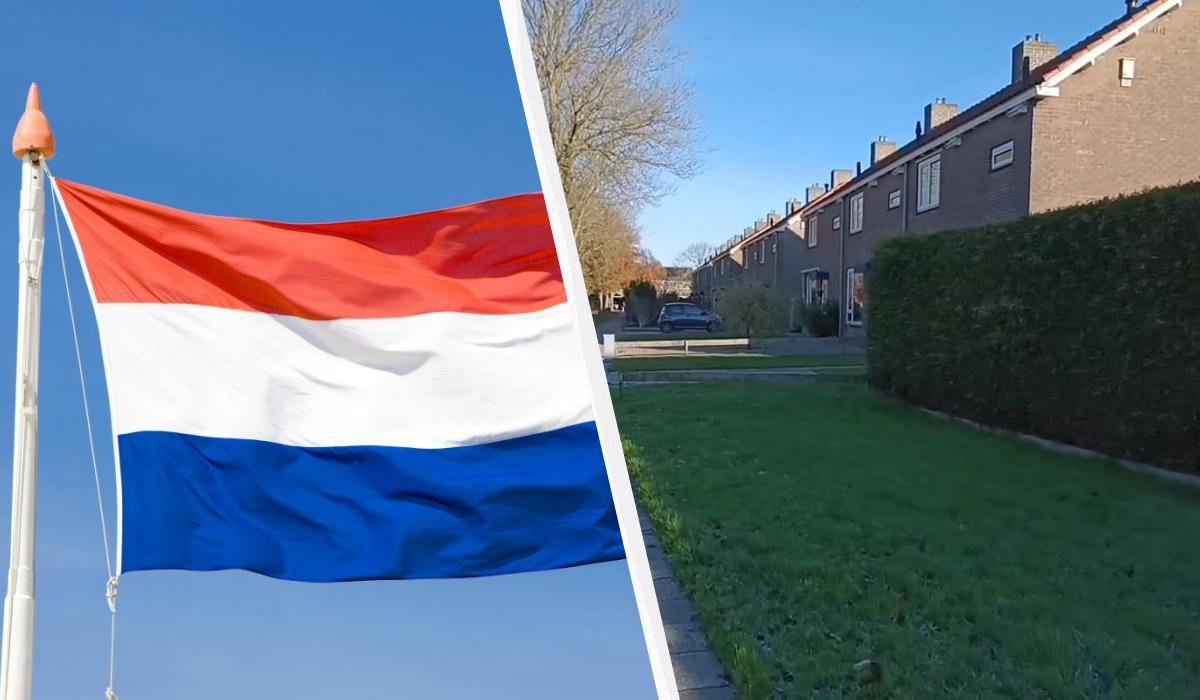
A Ukrainian woman displaced from the Kherson region has detailed the high cost of renting and heating a home in the Netherlands after a trip to visit relatives there, an experience that left her Dutch son-in-law with a striking conclusion: poor Ukrainians live better than poor people in the Netherlands. The account was reported by the Ukrainian broadcaster TSN.
The Kherson region in southern Ukraine was partly occupied following Russia's full-scale invasion in 2022, forcing many residents to flee. The woman, who runs a blog called New Life of Refugees from Kherson Region, shared her observations in a video on her YouTube channel, comparing everyday living conditions in the Netherlands with those back home in Ukraine.
She said a large share of Dutch people rent housing for their entire lives rather than owning property, and that locals have to watch their spending on heating and utilities closely. Walking through a residential area in the village of Koudum, she noticed that roughly half the local residents lived in rented accommodation.
Social housing in the area is occupied by both pensioners and young families with children, she said, though the apartments are small and the rooms cramped. She described the bathrooms as tiny, the kitchens as roughly two meters by two meters, and the bedrooms as barely large enough to fit a bed and a chair. The largest room in one such home measured four meters by three, which she said was the only space where you could really breathe and not feel the walls closing in.
Rent and utility bills
Base rent for a small social housing unit runs to about 700 euros a month, she said, but once gas, electricity, waste collection, sewage and heating are added, the total bill comes to roughly 1,500 euros.
Housing costs climb higher still for larger properties. Her daughter and son-in-law live in a two-story house built for two families and pay 2,000 euros or more during the winter months. Acquaintances of the family who live in Amsterdam pay 2,500 euros a month in rent, she said.
Heating costs that surprised her
The cost of heating a home surprised her most. She said her daughter, who is raising a small child, kept the house at around 16 degrees Celsius through winter, warming the rooms to 20 degrees only twice a day.
She contrasted this with her own family's former home on the left bank of the Kherson region, a house of more than 100 square meters heated with a wood stove. Even now, with the family's finances improved, they only lower the temperature to 17 degrees at night.
She recounted an incident involving her son-in-law, who once forgot to switch off the heating overnight. Checking his mobile app the next morning, he found that the single night of heating had cost him 50 euros.
A Dutchman's view of Ukraine
According to the blogger, her Dutch son-in-law had visited Ukraine before Russia's full-scale invasion, traveling to both Kyiv and Kherson. Having seen first-hand the conditions many Ukrainians lived in, he reached a conclusion she said was unexpected to many: poor Ukrainians, he said, live better than poor people in the Netherlands.
Why life in Europe can disappoint
The blogger said life in European countries can look appealing to many Ukrainian refugees so long as they are receiving social assistance, but that the picture changes once people have to earn their own money and cover all of their expenses themselves.
One of the biggest differences between Ukraine and the Netherlands, she said, is the ability to own a house with its own plot of land. Even private homes in the Netherlands, she observed, tend to sit on very small plots.
She added that many Ukrainian refugees living in various European countries want to return home. Not everyone has taken off their rose-tinted glasses about life in Europe, she said, because living on state benefits is nothing like living on your own earnings and having to work for them.
Other Ukrainians weighing life abroad
Her account echoes that of another Ukrainian, Anna Dobrovolska, who moved to Georgia after three years living in Bulgaria and compared costs in the Georgian city of Batumi with those in the Bulgarian city of Varna. She described the two as entirely different experiences: Varna offered calm and an established rhythm of life, while Batumi brought the energy of a city with skyscrapers and heavy traffic.
One of the main differences, she found, was the cost of renting and utilities. A one-bedroom apartment in Batumi could be rented from $400 without a deposit or agency fee, while in Varna rents started from 500 euros, often requiring two deposits and an agency commission that could reach 100 percent of the monthly rent. Utilities cost roughly $50 to $70 a month in Georgia, compared with 150 to 200 euros in Bulgaria.
Test yourself
How much did a single night of heating cost the Dutch son-in-law after he forgot to switch it off?
What temperature did the daughter in the Netherlands keep her home at during winter?
What conclusion did the Dutch son-in-law reach after visiting Ukraine before the full-scale invasion?
Have your say
What matters most to you when comparing the cost of living between countries?
Where it happened
Koudum, Netherlands


