Spanish television journalist Sandra Golpe has received the Tanit Spirit Award in Ibiza after being recognised for her career alongside local female entrepreneurs.
The Antena 3 news anchor spoke to journalist Fran Gómez for Spanish newspaper LA RAZÓN following the ceremony, using the conversation to urge Spain's political leaders to abandon divisive rhetoric and lower public tension.
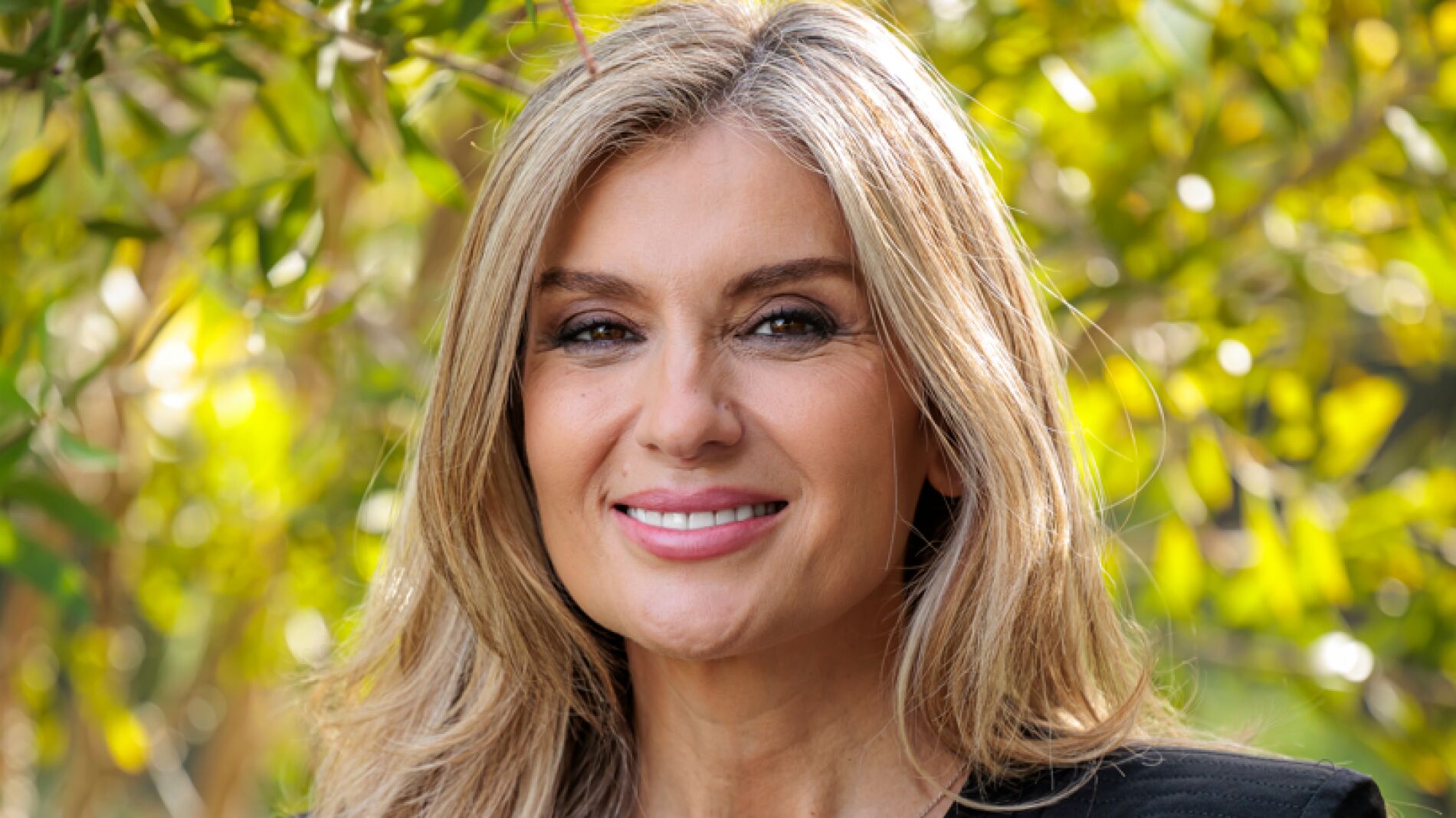
Golpe warned that hostility on the streets and across social media must be calmed, stressing that neither left-wing nor right-wing extremism delivers positive results for society.
Golpe serves as director and presenter of Antena 3 Noticias 1, Spain's leading midday television news bulletin. More than one million viewers tune in each weekday afternoon, though she spends most of her working day coordinating coverage from inside the newsroom.
Tanit Ibiza honours and regional leaders
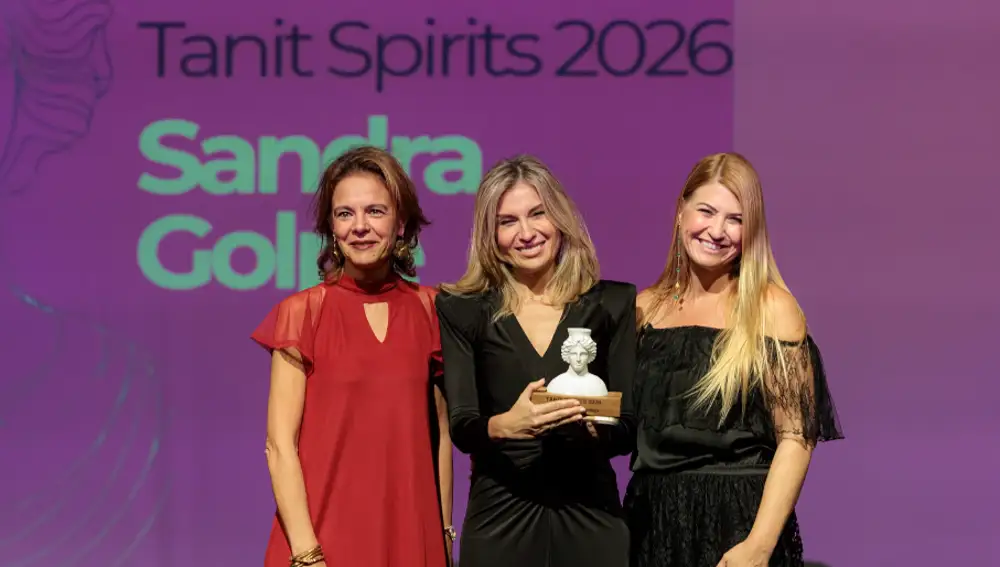
Golpe collected the Tanit Spirit Award at the fifth Tanit Ibiza Congress and Awards, an event established to highlight female leadership on the Mediterranean island.
The ceremony honoured Golpe alongside nine other women linked to Ibiza who have helped transform the community across gastronomy, culture, medicine, tourism, artistic creation, communication, and music.
Organised by Alicia Reina and Eva Ballarin, the congress received official support from the Consell d'Eivissa, the island council governing Ibiza.
Golpe received her trophy from Celia Torrebadella, regional director of Banco Santander in the Balearic Islands, and Montse Monsalve, chief executive of Imam Comunicación and recipient of Tanit Inspiration 2025.
Golpe called the award a true honour, praising the hardworking women who sustain Ibiza. She said the event highlights the island's fertile creative side, adding that sharing the stage with Carola Battelana and Josefina Sánchez-Errázuriz, president of child welfare charity Nuevo Futuro, made the occasion deeply meaningful.
Antena de Oro and three decades in broadcasting
The Ibiza recognition comes as Golpe prepares to receive her second Antena de Oro, a prestigious Spanish broadcasting honour chosen directly by fellow radio and television professionals.
Golpe remarked that careers involve times to sow and times to reap, feeling she is currently enjoying the harvest of her efforts. She noted that because the award carries no commercial or promotional interests, recognition from peers holds the greatest possible value.
The anchor insisted she will never take success for granted, arguing that journalists must simply focus on doing their best work. She stressed that her career demanded constant sacrifice, recalling that nobody handed her opportunities for free.
Golpe entered broadcasting thirty years ago without pay, before gradually earning statutory minimum wage. Having weathered numerous professional trials, she emphasised that broadcasting remains an inherently collaborative craft where any personal award reflects the entire team.
Overcoming shyness through news reporting
Reflecting on her career, Golpe said she carries no regrets and avoids dwelling on what might have been. She urged focusing on the present and looking ahead with optimism rather than looking back with sorrow or fear.
The presenter felt her career had taken nothing from her, giving far more than she imagined when studying journalism. Earning a living from the craft was already a triumph, she explained, but the work also brought profound personal fulfillment.
Golpe described journalism as therapeutic, revealing that she once suffered from extreme, almost pathological shyness. Reporting forced her to engage with the world, granting her access to diverse communities and connecting her with inspiring figures.
Motherhood and work-life balance challenges
The congress in Ibiza also examined the obstacles working mothers encounter while balancing domestic duties with demanding careers, presenting a research study titled Equilibra that analysed work-life reconciliation in Spain.
Golpe observed that mothers in Spain manage this balance quite poorly due to systemic pressures. Although she noted that the hardest years of parenting are hopefully behind her because her son is now twenty-one, she acknowledged that working mothers continue to face difficult daily trade-offs.
She urged broad social reforms to foster a society more welcoming to motherhood. To achieve that goal, she argued, Spain must tackle underlying economic hurdles, making it easier for young adults to find affordable housing and achieve independence.
Family anxieties and worries for youth
When discussing what keeps her awake at night, Golpe admitted that she makes a deliberate effort not to dwell on the past or tomorrow, preferring instead to concentrate on solving immediate problems in the present. However, she acknowledged that looking toward the future can easily trigger anxiety about matters beyond one's control.
As someone who describes herself as deeply devoted to her family, Golpe confessed to persistent worries about her aging parents and the inevitable reality of mortality. She explained that she feels anxiety over whether she will be able to care for them adequately and spend as much time with them as possible as they grow older.
At the same time, her role as a mother brings acute concerns about the broader world awaiting her son and his wider generation. Golpe stressed that she worries whether young people today will encounter sufficient professional opportunities to establish themselves and ultimately achieve long-term happiness.
Political polarization and upcoming elections
Addressing Spain's tense political climate, Golpe pointed to the aftermath of a recent train accident and the subsequent resignation of a government minister. Having recently interviewed the outgoing minister, she observed that political tempers are already flaring before the official election campaign begins.
Golpe warned that election polls in Spain are notoriously unreliable because unexpected events frequently upend expectations. While acknowledging that a change of government appears probable, she appealed for good sense and moderation, insisting that political extremism never succeeds on either side.
She concluded with an appeal for political leaders to deflate the balloon of hatred and polarization gripping public demonstrations and digital networks. Emphasising that citizens cannot live under perpetual division and hostility, Golpe expressed hope that whichever government takes office will foster national unity.