Russian newspaper Rossiyskaya Gazeta published a retrospective review of the 1993 film Window to Paris on September 16, 2026.
The article marked what would have been the 85th birthday of lead actor Sergei Dreiden on September 14, 2026. Dreiden, who passed away in May 2023, played music teacher Nikolai Chizhov in the post-Soviet satirical movie.
Rossiyskaya Gazeta noted that Russia has long produced remarkable actors whose popularity led audiences to adopt their characters' clothing styles and speech patterns. The review observed that viewers often transferred the wisdom of screen heroes onto the actors themselves, demonstrating the high standard of the Soviet acting school. While Dreiden was also recognized for playing the innkeeper Yankel in Taras Bulba alongside Bohdan Stupka and an engineer in Boris Khlebnikov's film Mad Help, his performance in Window to Paris remains his defining work.
The review contrasted Window to Paris with conventional patriotic war films that depict the Soviet Union relying on barrier troops, as well as foreign movies labeled as cranberry cinema that rely on stereotypes of vodka, bears, and balalaikas. Rossiyskaya Gazeta argued that such productions portray Russia as perpetually steeped in dirt, violence, and corruption while idealizing Western democracy and culture.
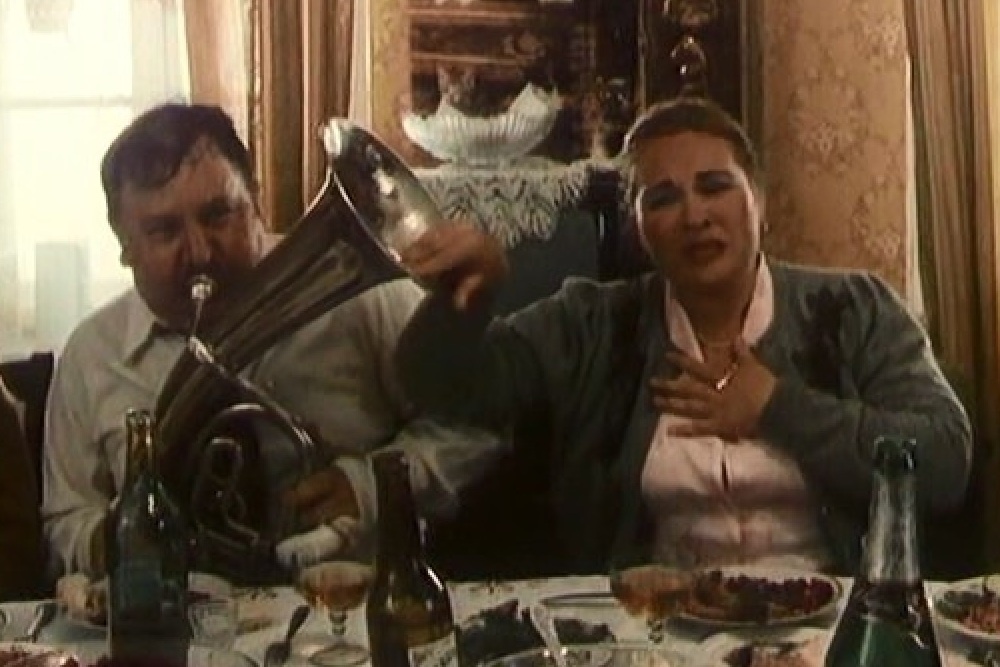
On the surface, Window to Paris presents Russian ruin, drunkenness, and corrupt officialdom opposite clean Parisian streets and polite citizens. The newspaper highlighted that director Yuri Mamin was designated a foreign agent several months ago, 33 years after the release of the film.
Cultural Satire and Public Toilet Anxiety
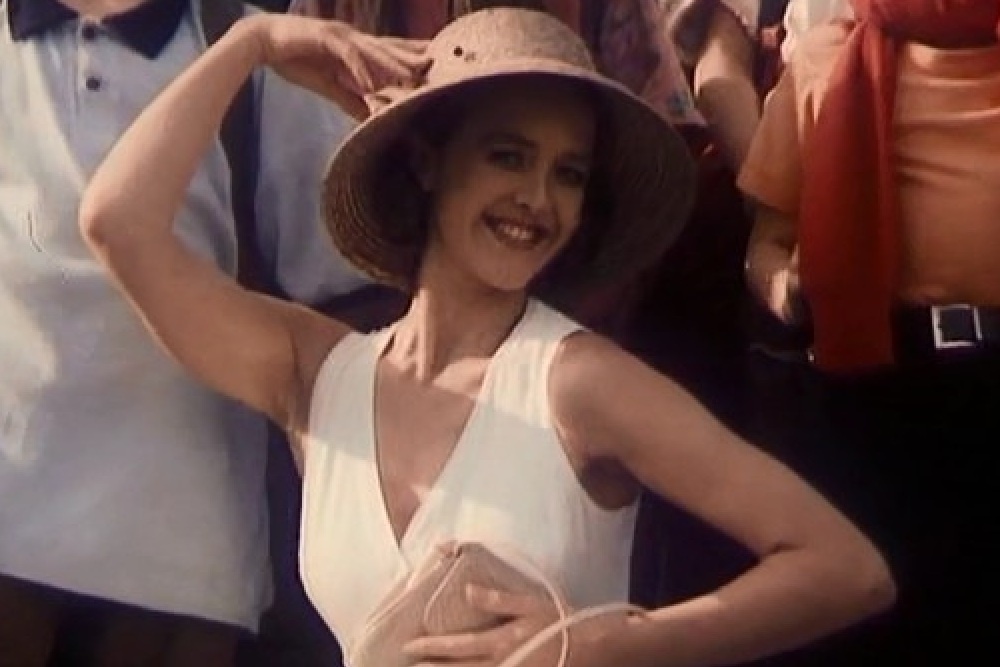
Despite portraying 1990s decay, the film remains engaging because its comedy stems from genuine cultural collisions. French actress Agnès Soral reportedly worried she could not convincingly act out a panic scene in a real public toilet, but her anxiety vanished as soon as she entered the facility.
The article also praised the comical behavior of working-class Russians exploring Paris. In one scene, characters use a bat to hit the strongest piano in the world produced by the Red October factory before performing a waltz. Rossiyskaya Gazeta remarked that the promotional sequence could easily feature at the Cannes Lions International Festival of Creativity.

The plot revolves around a magical portal to Paris opening inside a crowded communal apartment in Saint Petersburg, formerly Leningrad. Music teacher Nikolai Chizhov, his working-class neighbors the Gorokhov family, and their friends gain access to France and compare their difficult living conditions with Western prosperity. The review noted that Mamin held a deeper perspective on Russian life before his worldview hardened in later years.
Working Class Adaptability and Moral Values
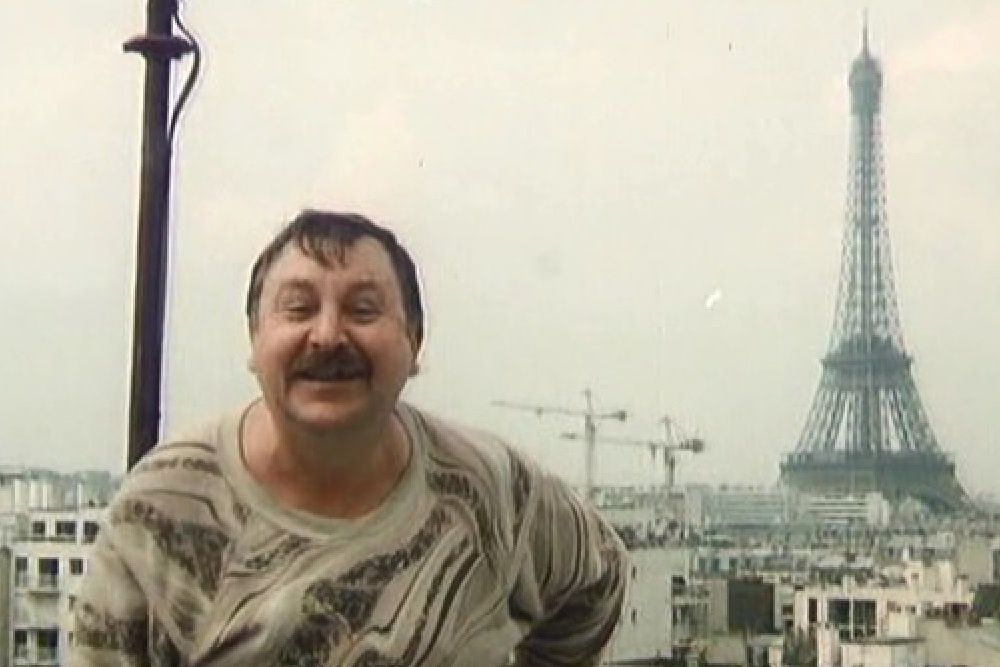
Although impressed by Parisian asphalt and neat buildings, the intoxicated Gorokhov family initially mistook Paris at night for unfamiliar streets in Saint Petersburg, noting that only the television tower distinguished the setting from their home district. Upon realizing they were in France, the family chose not to emigrate, focusing instead on bringing consumer goods back to their apartment. The newspaper emphasized that despite surrounding ruin, the characters genuinely loved their home and merely took advantage of France when given the chance.
Gorokhov's friends spent consecutive days wandering Paris searching for a route back to Russia, even after securing wealthy sponsors who offered them a lavish lifestyle. The review asserted that the film uncovers real human culture beneath the characters' rough exterior, pointing out how the family rallied to care for a sick Frenchwoman who had previously treated them as enemies.
A central exchange occurs between Maria Gorokhova and the elderly former room owner. Maria questioned why her family was called upon to wait in queues or contact medical services while being excluded from Paris, to which the old woman responded that the working-class family would only dirty France after dirtying one-sixth of the earth.
Emigrant Disillusionment and the Airplane Plot
Referencing Vladimir Lenin's assertion that the intelligentsia is not the brain of the nation, the review examined Chizhov's initial desire to abandon everything and live in France. After pitching a tent on a Parisian roof to ensure he remained before the portal closed, Chizhov found himself among homeless locals, realizing that living without money in France offers no advantage over Russia.
Chizhov's perspective shifted further through an encounter with a Russian emigrant played by Andrei Urgant. While in Paris, Urgant's character passionately claimed he would trade France, Australia, and his automobile if he could return to Nevsky Prospect, Finland Station, Lenin Square, and his communal flat immediately.
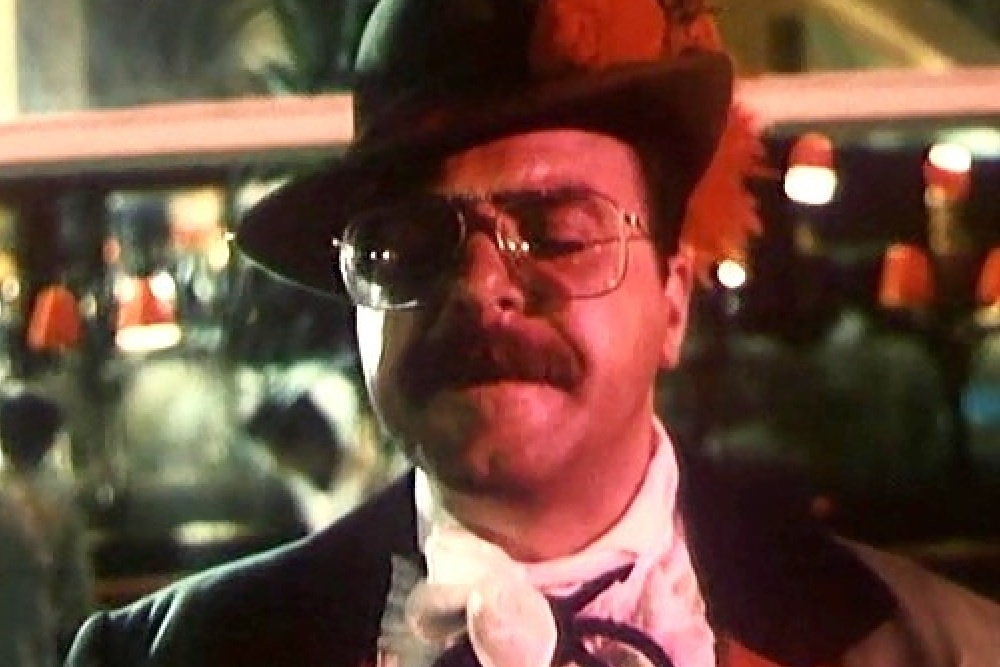
However, when returned to Saint Petersburg 30 minutes later, the emigrant screamed in horror and begged to go back to Paris, exposing his hypocritical patriotism. Chizhov suffered further disillusionment when French musicians invited him to play in an orchestra without trousers for a wealthy audience to maximize earnings. Outraged by the proposal, Chizhov chose to lead a group of youths in an attempt to hijack an airplane to return home.
Peter the Great and Lessons for Modern Russia
Rossiyskaya Gazeta concluded that unlike movies where Russian hardship is depicted as permanent, Window to Paris presents domestic ruin as a temporary illness rather than the essence of the nation. The review compared the film's perspective to Peter the Great, who used European structures as a model to be filled with Russian values of mutual assistance and resilience rather than Western double standards.
The enlightened music teacher ultimately addressed his students who wanted to remain in Paris, telling them that although they were born in a difficult era in a ruined nation, it remained their country and depended on them to improve it.
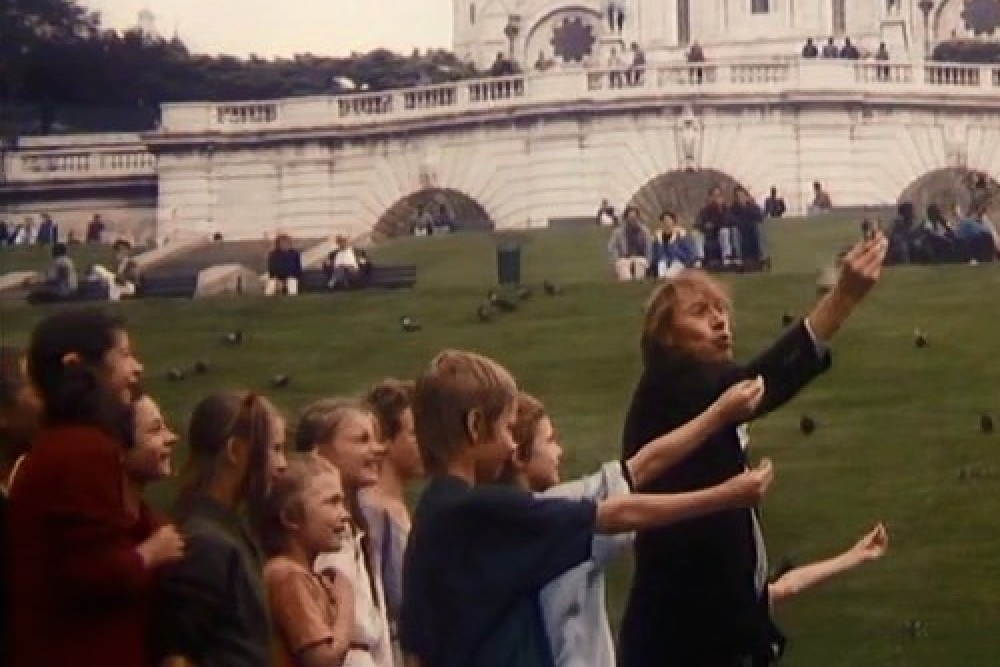
The newspaper ended its retro review by stating that while difficult periods are a recurring part of the country's history, they should never serve as a pretext to flee, as citizens themselves are responsible for bringing about better conditions.