

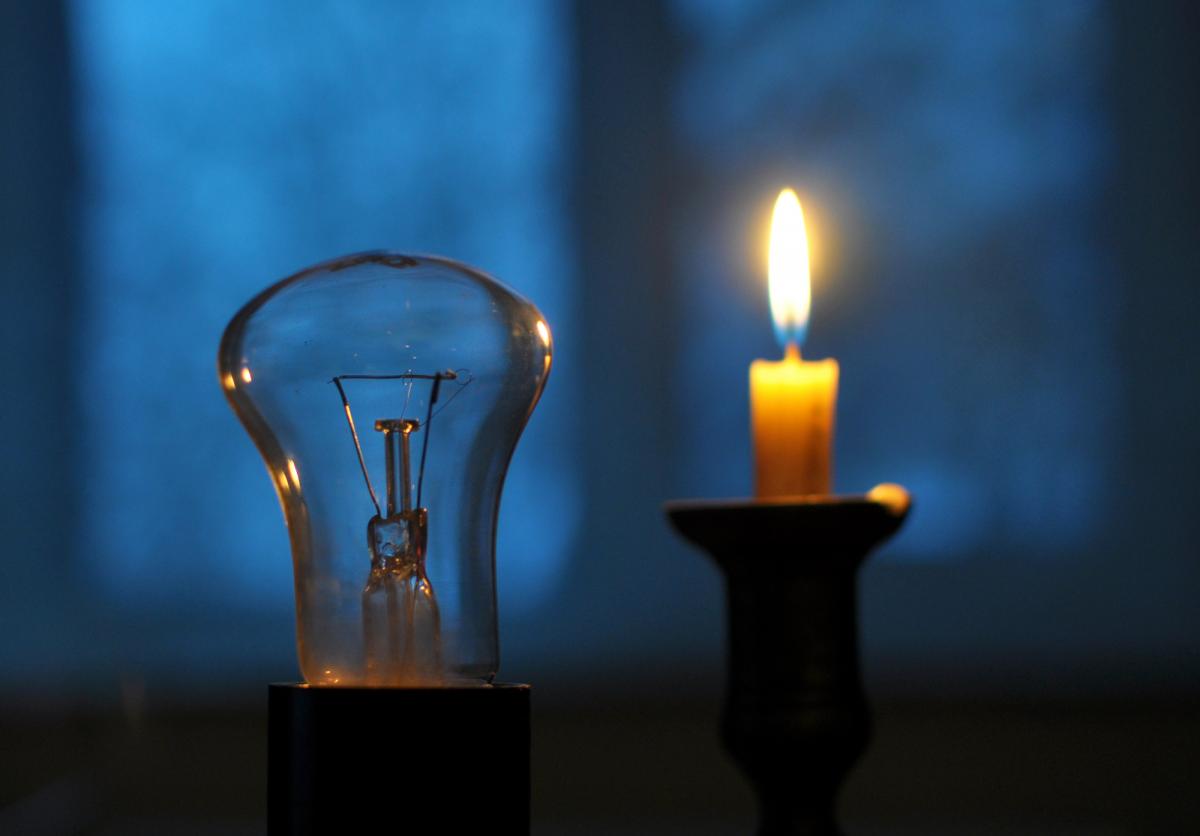
Power outages can strike without warning, and there is no telling how long they will last. While the timing of a blackout is out of anyone's control, there are steps households can take to protect their property and family until electricity returns.
To find out how to prepare for a power outage, Better Homes & Gardens spoke to Clement Fenn, vice president of marketing at Briggs and Stratton Energy Solutions, a company that manufactures backup generators. Fenn shared his top advice on what to do during an outage, how to minimize potential damage, and a checklist to follow when a blackout seems likely.
Steps to take before an outage
While some outages happen without warning, a thunderstorm is often the first sign that one may be coming. If a blackout looks likely, Fenn recommends preparing in advance.
Keep devices charged. Charge phones and laptops before the lights start flickering, and keep a few charged portable power banks on hand. A battery-powered radio can also help conserve phone battery while keeping households updated on news and weather forecasts.
Stock up on flashlights and batteries. Most phones have a built-in flashlight, but using it drains the battery quickly. Fenn advises using flashlights and battery-powered lamps rather than candles, since they are more convenient and safer than lighting multiple open flames.
Buy a backup or automatic generator. A generator may not fit every budget, but it can be worth saving for, especially for households in regions prone to severe storms. Fenn noted that generators are especially useful for anyone who relies on electric medical equipment or medication that needs refrigeration. He recommends customers check for rebates from federal, state, and utility programs to help offset the cost.
Generators typically run on gasoline or propane, so it helps to keep a supply on hand. Fenn warned that a generator should always be run safely outdoors so exhaust fumes do not enter the home.
Plan for shelter. An outage lasting more than a day creates extra logistical challenges, particularly in extreme temperatures or when working from home. Fenn suggested identifying a few places in advance, such as a friend or relative's home, where devices could be charged or where someone could spend the night, so there is less scrambling once the outage hits.
What to do during a power outage
Once the power goes out, staying calm helps in assessing the situation and taking the right steps to protect the home. Fenn outlined five steps to follow.
1. Check whether neighboring homes have power. The first step is to figure out whether the outage affects only your home or the whole neighborhood. At night, this can be as simple as looking out the window for nearby lights. Neighbors can also be contacted directly, and some utility companies publish maps of reported outages. If the outage appears limited to a single home, it is likely that only the circuit breaker needs to be reset.
2. Contact the utility company. Don't assume a neighbor will report the outage. Contacting the utility company promptly gives the best chance of a quick restoration and can provide an estimate of when power will return.
3. Minimize opening the refrigerator. Outages have a way of happening right after a big grocery trip. Keeping the refrigerator and freezer doors closed as much as possible helps preserve the cold air inside. It also helps to keep a supply of long-lasting foods that can be prepared without electricity, especially in areas prone to severe weather.
4. Unplug electronic devices. When power returns, it can come back with a surge. A strong power surge can overheat appliances, potentially damaging them or starting a fire. As a precaution, unplug large electronics and any appliances not connected to a surge protector.
5. Protect the pipes. Fenn said one of the most expensive consequences of a power outage can be frozen pipes. He said outages can cause significant property damage, especially in winter if pipes burst, and that flooding can destroy flooring, furniture, equipment and more.
If temperatures are near freezing during an outage, pipes need close attention. Fenn recommends letting faucets drip if water access is still available. For homes that rely on a well pump, it may be worth draining the pipes if the pump is not working.


