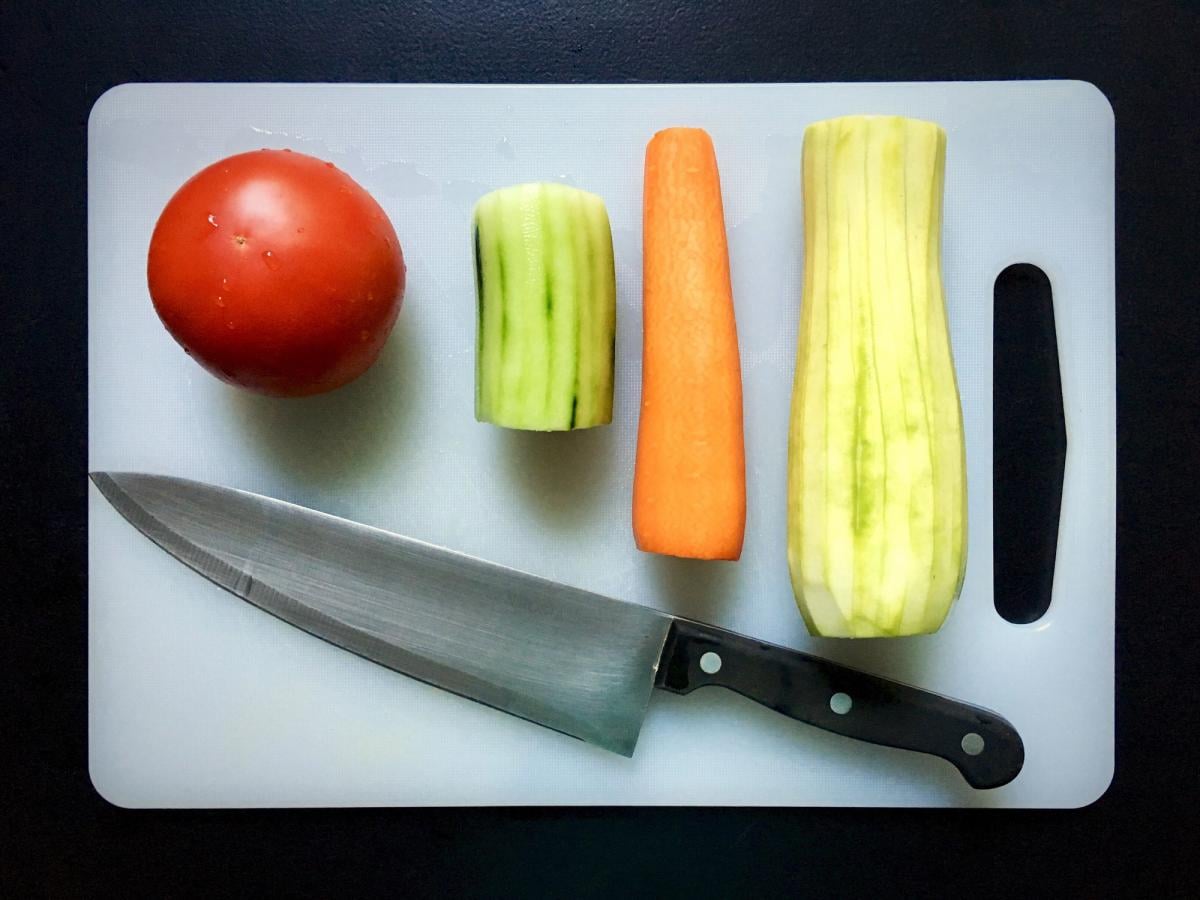
Plastic cutting boards are increasingly being pushed out of kitchens in favour of wooden ones, according to the lifestyle outlet The Coolist, because slicing food on plastic surfaces can shed tiny fragments of the material straight into the food.
In short
- Wooden cutting boards are increasingly replacing plastic ones in kitchens, according to The Coolist.
- A 2023 study in Environmental Science & Technology found plastic boards released between 1,536 and 7,680 microplastic particles during cutting.
- Polypropylene boards shed 14 to 71 percent more particles than polyethylene boards.
- In one experiment, 99.9 percent of bacteria on wooden boards died within three minutes, while bacteria could survive on plastic for hours.
- Wooden boards cannot go in a dishwasher and need regular oiling with mineral oil or beeswax to prevent cracking.
The outlet points to a 2023 study published in Environmental Science & Technology, a journal of the American Chemical Society, which examined two of the most common plastics used for cutting boards, polyethylene and polypropylene.
Both materials released microplastic particles during cutting. The study found that plastic boards produced between 1,536 and 7,680 tiny particles during use, particles that could transfer onto the knife and end up in food. Polypropylene boards shed between 14 and 71 percent more particles than polyethylene boards.
Wood's Resistance to Bacteria
Wood, by contrast, proved resistant to bacteria. One contamination experiment cited by the study found that 99.9 percent of bacteria on wooden boards died within three minutes.
A separate study of contaminated boards found that bacteria could survive on plastic surfaces for anywhere from a few minutes to several hours, and could multiply if food residue was left on the board for too long.
The Drawbacks of Wooden Boards
Wooden boards are not without their limitations. They cannot be washed in a dishwasher and need extra upkeep to last.
Every few weeks, owners are advised to coat wooden boards with food-grade mineral oil or beeswax to stop them cracking and to extend their lifespan.
The report also notes that different boards should be used for different foods. Separate boards are needed for raw meat and fish, and it is strongly advisable to keep separate boards for ready-to-eat food, for fruit and vegetables, and for bread.
A Warning on Plastic Containers Too
The report adds a related reminder about plastic food containers. Scientists say heating plastic can cause it to release particles, meaning the habit of reheating meals in a plastic container in the microwave for years on end could be risky.
Storing and reheating meal portions in glass containers instead is said to be far healthier.