

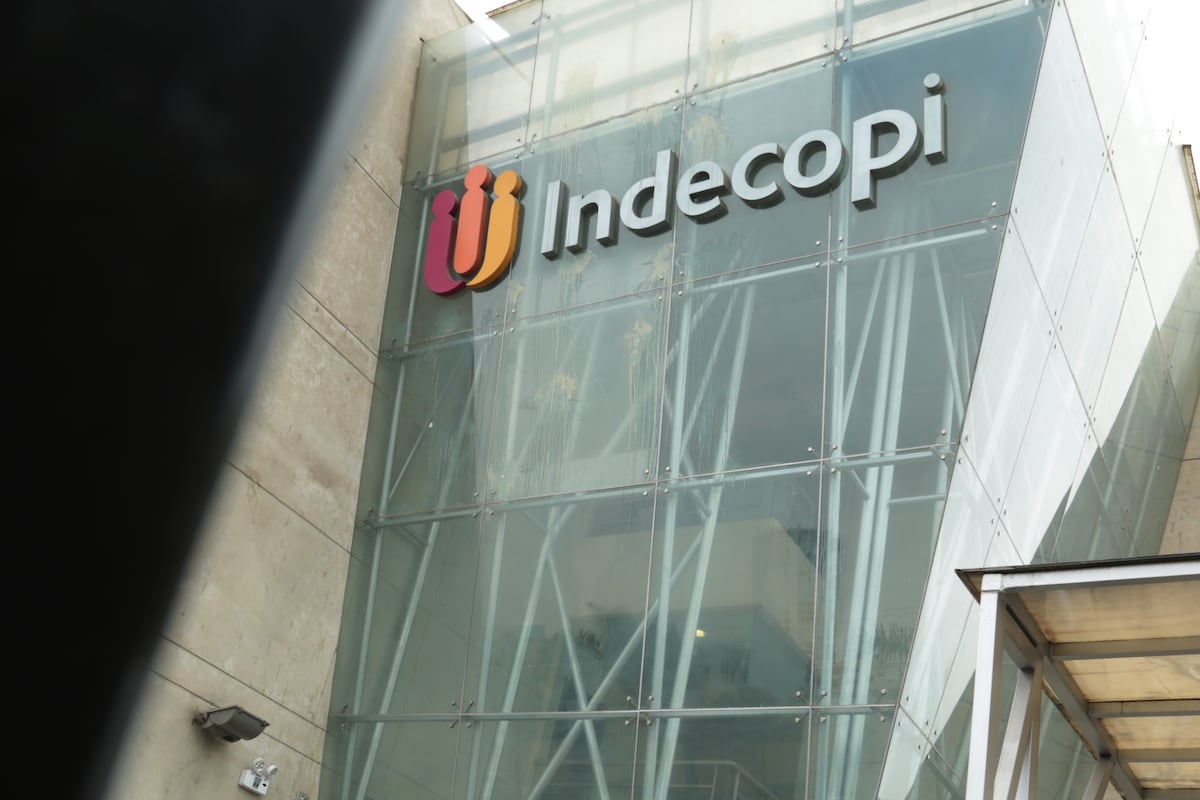
Peru has added dedicated legal protections for its national brand to its upgraded free trade agreement with China, competition agency Indecopi said.
The agreement marks the first time Peru has secured a specific clause protecting a country brand in a bilateral trade pact. The measure forms part of the Optimization Protocol for the Peru-China Free Trade Agreement, which entered into force on November 1, 2026.
The new rules appear in Article 11.5 under the treaty's expanded chapter on Intellectual Property Rights. Under the text, both governments recognise the value of their respective country brands and commit to shielding them against unfair competition, following their domestic laws and the Paris Convention for the Protection of Industrial Property.
Indecopi said the clause provides a legal foundation for Peru to defend its Marca Pais Peru emblem in China against unauthorised commercial exploitation or actions that could harm its public reputation. While a conventional trademark identifies specific goods or services, a country brand represents the nation as a whole and works to strengthen its standing in international markets.
Bilateral Trade and Brand Defense
Indecopi developed the proposal through its Directorate of Distinctive Signs before submitting the text alongside the Ministry of Foreign Trade and Tourism, known as Mincetur.
China is Peru's largest trading partner and the principal destination for Peruvian copper, minerals, and agricultural exports. The two governments originally signed their bilateral free trade agreement in 2009, with the pact taking effect the following year. Officials later launched optimization talks to update the treaty, introducing modern guidelines for digital commerce, customs procedures, and intellectual property.
International Intellectual Property Treaties
The bilateral protocol reflects a wider effort by Peruvian regulators to establish enforceable protections for sovereign branding outside national borders. Within South America, Peru previously led negotiations for Decision 876 in the Andean Community, which created a unified legal regime for country brands across member nations Bolivia, Colombia, Ecuador, and Peru.
Peruvian authorities are also pursuing an initiative at the World Intellectual Property Organization, the United Nations agency that oversees global patent and copyright systems. Indecopi stated that the Geneva initiative aims to create minimum international standards to guarantee that national brands receive adequate legal protection in overseas markets.