

People who dislike eating breakfast or lack time for a full meal can maintain their morning health with 13 simple and nutrient-rich foods, according to nutritional guidance reported by Today. The recommended items allow individuals to acquire essential vitamins, minerals, protein, and fiber early in the day without having to prepare or consume traditional breakfast dishes.
Skipping the morning meal on occasion causes no long-term harm, but regular avoidance of breakfast can lead to unwanted physical side effects. Dietitian Frances Largeman-Roth explained that starting the day on an empty stomach often causes nausea, dizziness, and a sensation of brain fog.
Going without breakfast can also exacerbate hunger later in the day, causing individuals to overeat and consume higher total calories during lunch and dinner. Dietitian Natalie Rizzo noted that the initial meal of the morning functions to nourish both the body and the brain. She emphasized that even a small amount of food delivers critical protein, fiber, healthy fats, vitamins, and minerals needed for cognitive and physical performance.
Health experts emphasize that people do not need to force themselves to eat large, conventional breakfast meals immediately upon waking. For those who experience a low morning appetite or find standard breakfast options unappealing, specialists advise beginning with modest portions. Selecting items packed with protein, fiber, and healthy fats helps sustain satiety even when consuming small quantities of food.
Quick dairy and soup options
String cheese offers an accessible and efficient way to secure protein and calcium during busy mornings. Frances Largeman-Roth identified string cheese as an ideal choice when rushing to leave the house. A single reduced-fat mozzarella stick provides approximately 7 grams of protein, 80 calories, and 200 milligrams of calcium, which supplies 20 percent of the daily recommended value needed to preserve bone health.
A cup of soup serves as a gentle alternative for individuals who crave savory foods rather than sweet breakfast items in the morning. Natalie Rizzo recommended soup because it hydrates the body, digests easily, and provides protein and fiber without creating a feeling of heaviness. Convenient options include small portions of miso, vegetable, lentil, or chicken soup, which can be prepared quickly or carried in an insulated thermos.
Kefir represents another top recommendation among dietitians, particularly for those who prefer liquid refreshment over solid food after waking up. A single glass of kefir delivers between 9 and 11 grams of protein, alongside calcium and live probiotics that foster gut health and aid digestion. Individuals who dislike the tart flavor of traditional kefir can opt for alternative drinkable yogurt products to obtain similar benefits.
Nuts, fruit and leftover meals
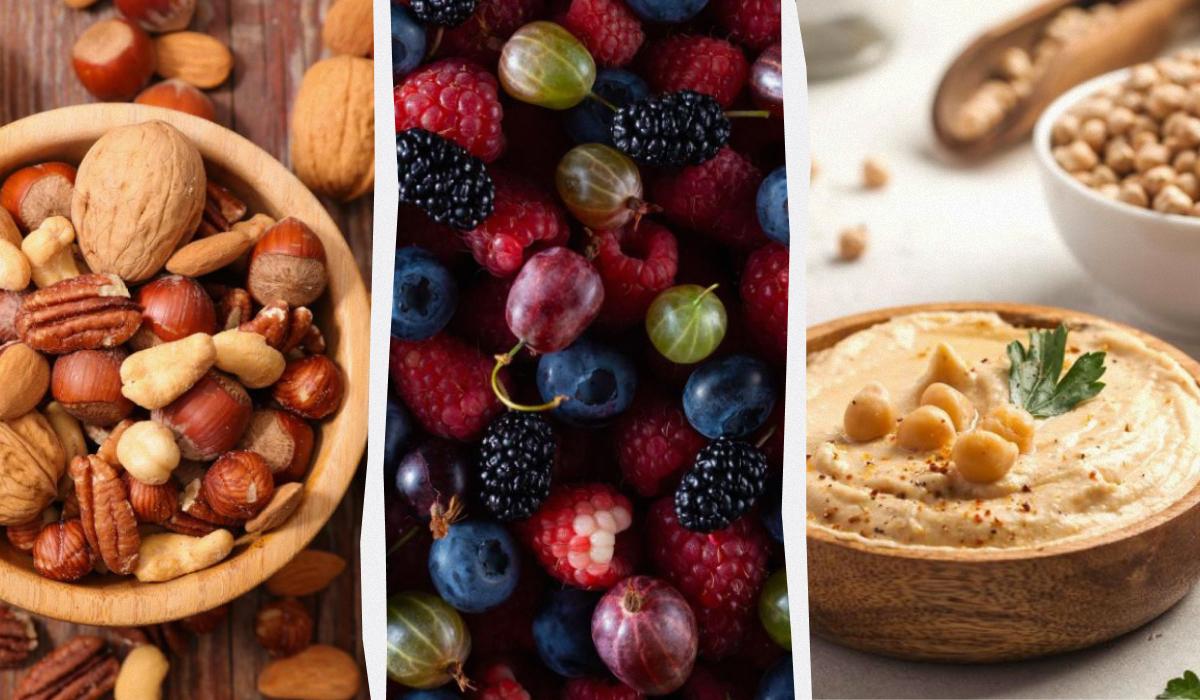
Nuts provide a concentrated source of protein, healthy monounsaturated fats, and antioxidants while remaining simple to store and eat during a morning commute. Natalie Rizzo advised eating a small handful of nuts early in the day to generate steady, long-lasting energy. Beneficial choices include almonds, walnuts, pecans, pistachios, and Brazil nuts, all of which contain essential nutrients that support cardiovascular health.
Eating leftovers from the previous day offers a practical solution, as Natalie Rizzo noted that no rule dictates that the first meal of the day must consist of standard breakfast items. Consuming a few bites of leftover dinner or lunch stored in the refrigerator, such as a grain bowl, pasta dish, or stir-fry, supplies essential nutrients without forcing an individual to eat unwanted breakfast foods.
Bananas rank among the easiest quick breakfast options available. They provide readily accessible carbohydrates for immediate energy alongside prebiotic fiber, which slows digestion and extends feelings of fullness. Bananas also contain high levels of potassium, an essential dietary mineral necessary for proper muscle contraction and healthy heart function.
Savory snacks and whole grains
Turkey roll-ups offer a convenient, high-protein alternative when time is limited in the morning. Sliced turkey meat can be rolled up quickly on its own or enhanced with preferred condiments and sliced vegetables. Natalie Rizzo stated that wrapping a few turkey slices around fresh cucumber, bell pepper, or a small piece of cheese creates a simple and nutritious protein snack.
Brown rice demonstrates that whole grains beyond traditional oatmeal can serve as an effective morning base. A small serving of brown rice supplies complex, slow-digesting carbohydrates and dietary fiber that help regulate blood sugar levels and curb hunger until lunchtime. Brown rice can be prepared as a savory dish with soy sauce, sesame oil, or Japanese furikake seasoning, or served as a sweet meal with milk and maple syrup.
Nut butter provides a dense source of morning nutrition without requiring a complete meal setup. Spreads such as peanut butter and almond butter contain quality protein and healthy fats that supply sustained energy and promote satiety throughout the morning. Nutritionists recommend a standard serving size of two tablespoons, and Frances Largeman-Roth suggested pairing nut butter with crisp apple slices to add dietary fiber.
Berries, hummus, dried fruit and beans
A handful of fresh berries delivers a quick dose of fiber, vitamins, and protective antioxidants without any cooking or preparation. Blueberries, raspberries, and strawberries represent highly nutritious options that can be eaten straight out of the refrigerator.
Hummus made from fiber-rich chickpeas provides another simple morning snack that requires no cooking. Natalie Rizzo noted that spreading hummus onto whole grain crackers, pita bread, carrot sticks, or cucumber slices supplies a balanced combination of dietary fiber, healthy plant fats, and plant-based protein.
Dried fruit offers a portable and shelf-stable morning snack containing carbohydrates for quick physical energy. Most varieties of dried fruit also supply fiber to slow carbohydrate absorption, alongside vitamins, minerals, and antioxidants. Recommended choices include dates, prunes, dried apricots, cherries, and cranberries.
Legumes and beans serve as a nutrient-dense food option where even a few spoonfuls deliver carbohydrates, plant-based protein, and fiber. Natalie Rizzo explained that most legumes contain both soluble and insoluble fiber. These two types of fiber work together to promote digestive health, stabilize blood sugar levels, and lower blood cholesterol.
Additional dietitian breakfast advice
In previous dietary evaluations, nutrition specialists identified 14 of the best overall breakfast foods. Experts emphasized that in addition to healthy protein, carbohydrates, and fats, a balanced morning meal should incorporate fiber and antioxidants to protect long-term health.
Dietitians have also evaluated whether eggs or oatmeal represent a superior choice for the morning meal. Specialists concluded that both foods primarily serve as nutritional bases. As a result, the ultimate health impact of either dish depends heavily on the specific ingredients added to them during preparation.


