

Montenegro is no longer the bargain destination it was once marketed as. Travellers who visited this year say prices have risen as the country became easier to reach from across Europe, and demand has been pushed further by Russian tourists who have faced travel restrictions elsewhere since 2022. That is set to ease: Montenegro has announced it will end visa-free access for Russian citizens from November 1, 2026.
For Ukrainians, getting there takes planning. Three transit options exist. The Hungary route is calmer at the border but train tickets sell out within 20 minutes of going on sale and cost slightly more than other routes. The Poland route offers cheaper, more widely available trains from Kyiv and Lviv, though the border crossing can be slow. The Moldova option works best by bus rather than train; the crossing is quick but the local airport can struggle with peak passenger volumes.
Travellers who used the Hungary route recommended setting purchase alerts for the moment tickets go on sale, trying to buy from multiple devices at once, and enabling an auto-purchase option for cancelled reservations. Most passengers in one group's carriage secured their seats through that last method.
Choosing an airport
Montenegro has two airports: Podgorica, the capital, and Tivat, which sits on the Bay of Kotor and handles mainly seasonal flights. Tivat is the more convenient base for coastal travel, but Podgorica has more routes. Travellers who land at Podgorica face limited bus connections from the terminal and a 120-euro taxi fare to reach Budva.
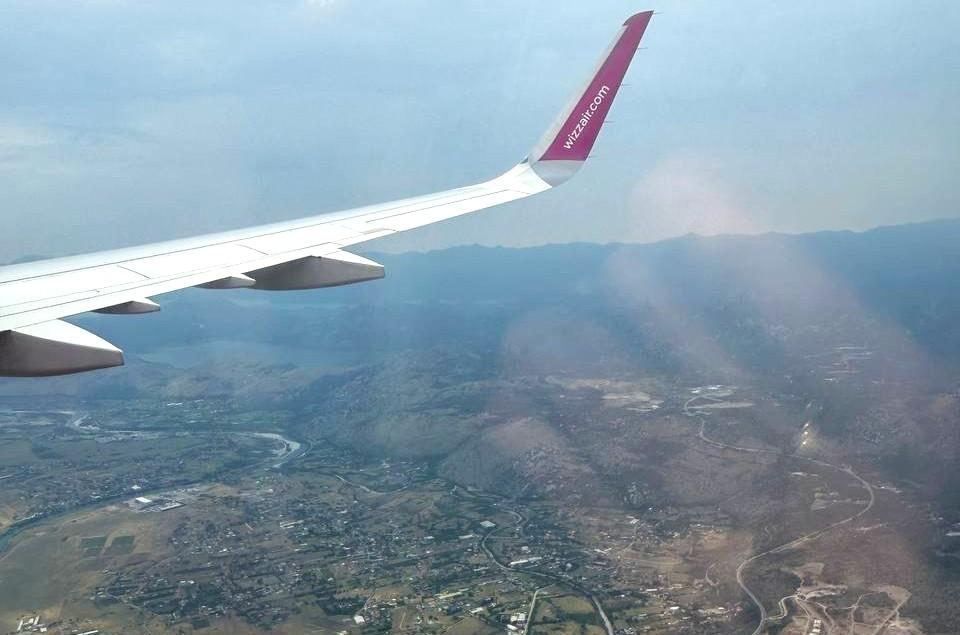
Renting a car is the more practical solution, especially for anyone planning to move between towns, where taxis are expensive throughout the country. The key advice: book online before arriving. Airport rental rates run 50 to 100 euros higher than online prices. A refundable deposit of 200 euros is standard practice.
Mountain roads
Montenegro sits largely in the mountains, and its roads reflect that. Most have a single lane in each direction, and the majority wind through hairpin bends on steep hillsides. Drivers used to steadier speeds will need to adjust: locals move faster and use their horns to signal an overtaking manoeuvre, which is accepted convention here rather than a sign of aggression.
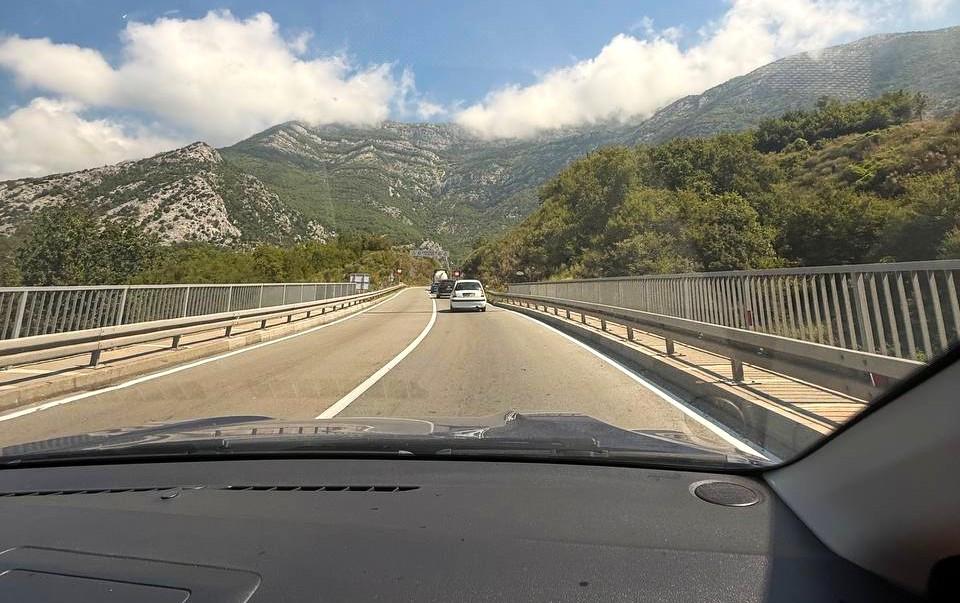
Overtaking without indicator lights is common and rarely enforced by police. Locally registered cars tend to show the accumulated damage, with dents and scrapes being typical. The steepest gradient one group of travellers reported was 42 degrees, encountered in a town centre rather than on an open road.
Where to go
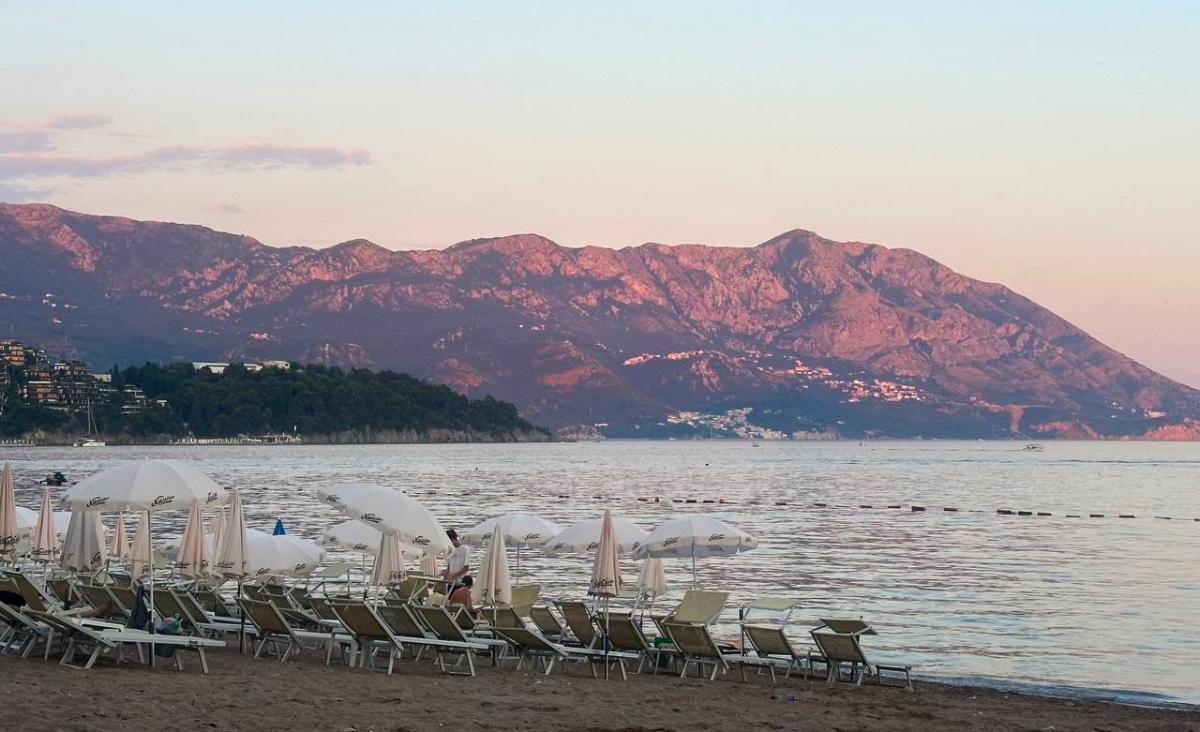
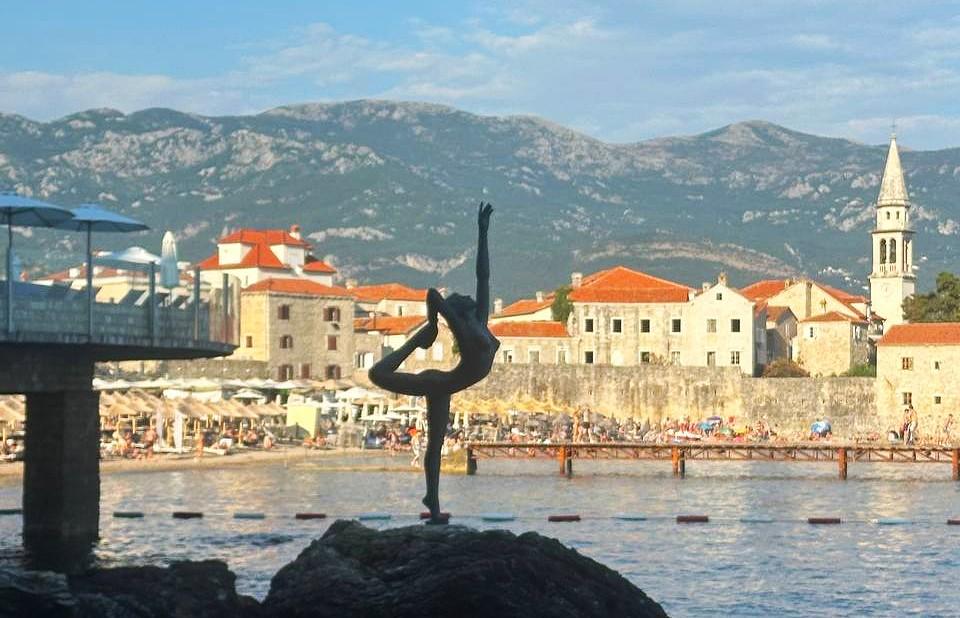
Budva is the largest coastal resort in Montenegro and a natural base for exploration. Three beaches are particularly recommended. Jazz Beach, at the edge of town, is a practical option with a large car park, food outlets and watersports facilities. Morgan Beach sits at the foot of a cliff that overhangs the sea. The third, known as Hawaii, is a small island off the coast reached by water taxi, and it offers views looking back across Budva and the mountains behind it.
The Old Town of Budva is more than 2,500 years old and still inhabited, which means noise is restricted in the evenings. Visitors can walk its lanes, see the citadel and churches, and use the small beach within the walls.
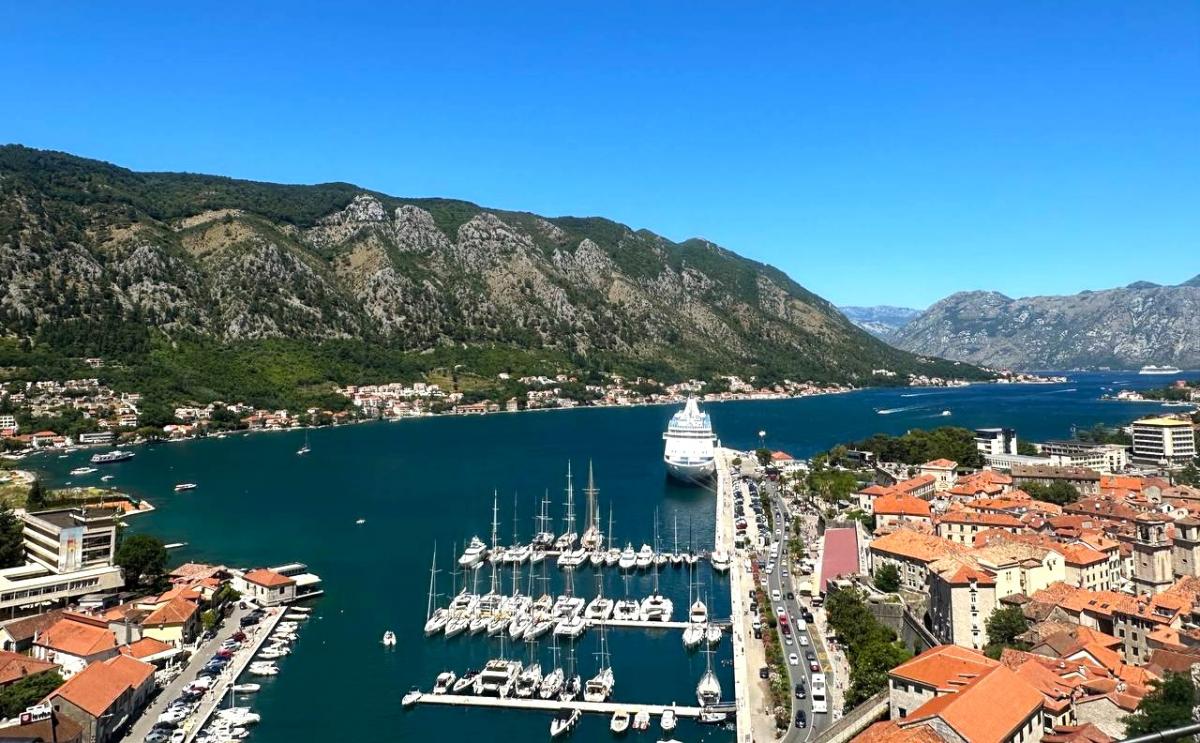
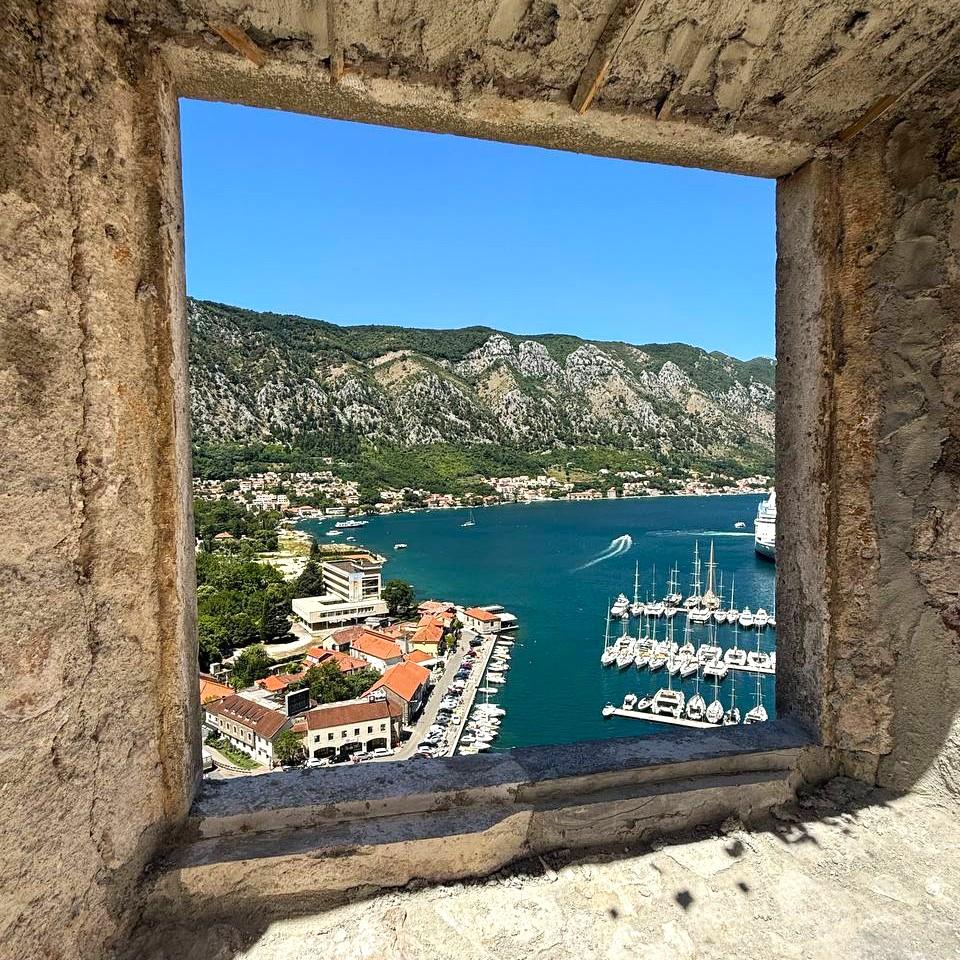
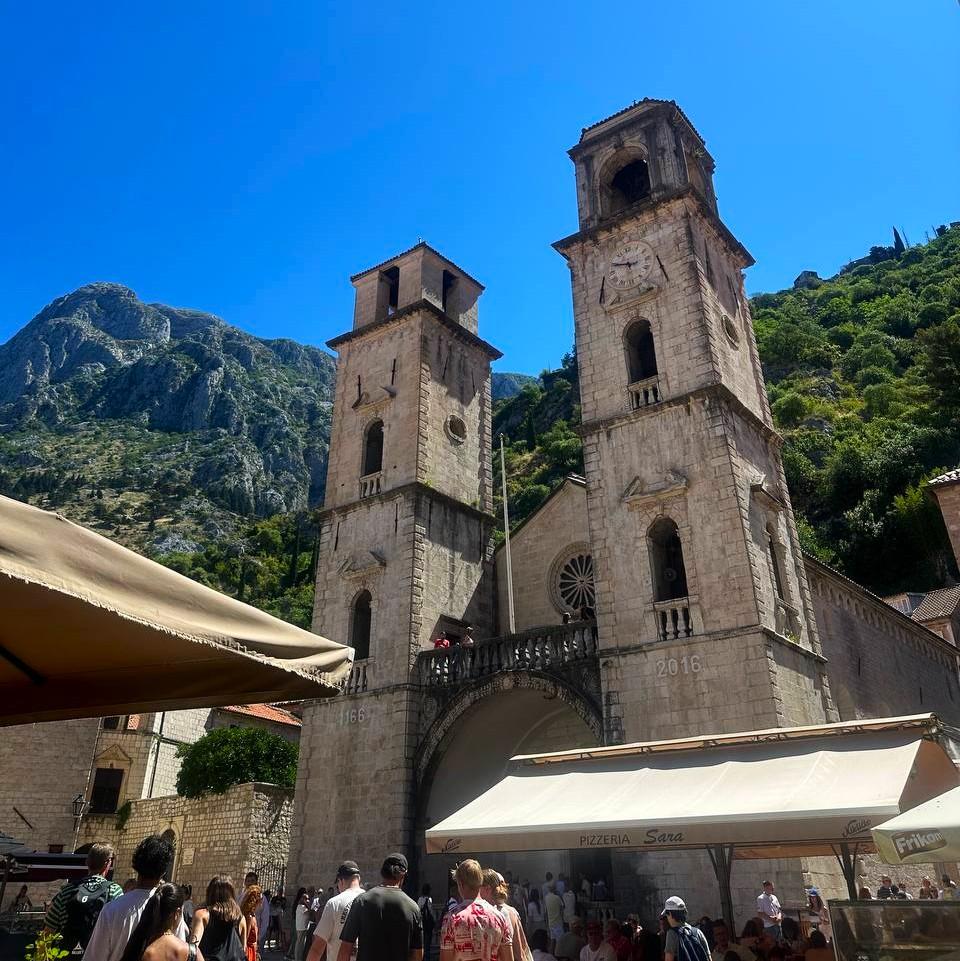
Kotor, on the bay that shares its name, attracts a constant flow of cruise ships. Its medieval walls climb directly up the mountainside and can be walked on foot, though the ascent is demanding and appropriate footwear and water are essential. A morning market just outside the Old Town sells fruit, vegetables and fresh seafood including sea urchins. Oyster farms around the bay offer tours and on-site tastings. Kotor also has an unusually large street cat population, which locals say is descended from animals brought by sailors to control rats on ships and in warehouses.
Sveti Stefan, a short drive from Budva, is known for a single landmark: a fortified island resort of the same name that is popular with celebrities and political figures. Access to the island is not always open to visitors, but the view from the shore draws travellers regardless.
Food and prices
Seafood dominates Montenegrin menus. Travellers were advised to ask whether the seafood is locally caught, as some establishments serve imported product. Fish typically comes with a potato and spinach side dish, with spinach usually taking the larger share, or with black seafood risotto. For wine, locals recommend Vranac, a full-bodied red, and Krstac, a white. The most distinctly local dish is sataras, a vegetable stew available in restaurants and most supermarkets. Buying seafood directly from fishing boats is the cheapest way to get it, as supermarket prices can exceed those in Ukraine.
A restaurant dinner for two runs 30 to 50 euros, covering two main dishes, a salad and two drinks. Supermarket prices are broadly comparable to Ukrainian levels: meat ranges from 3 to 10 euros, bread costs around 1 euro. Montenegro uses the euro despite not being a member of the EU or the Schengen zone. Accommodation in Budva starts around 1,000 hryvnias per night for a double room and around 4,000 hryvnias for a self-contained apartment; Kotor starts around 2,000 hryvnias; Podgorica, which is inland, from about 800 hryvnias. Most beaches are free to enter, but sun loungers cost between 10 and 70 euros per day depending on location. Car hire runs 30 to 100 euros per day, and fuel costs roughly 1.6 euros per litre.


