


Mario Vaquerizo has spoken about surviving a four-metre stage fall in a new book outlining his personal philosophy of life.
The 52-year-old television personality and singer released El cardadismo ilustrado through publisher HarperCollins, adopting a calmer approach to fame after nearly losing his life during a live performance.
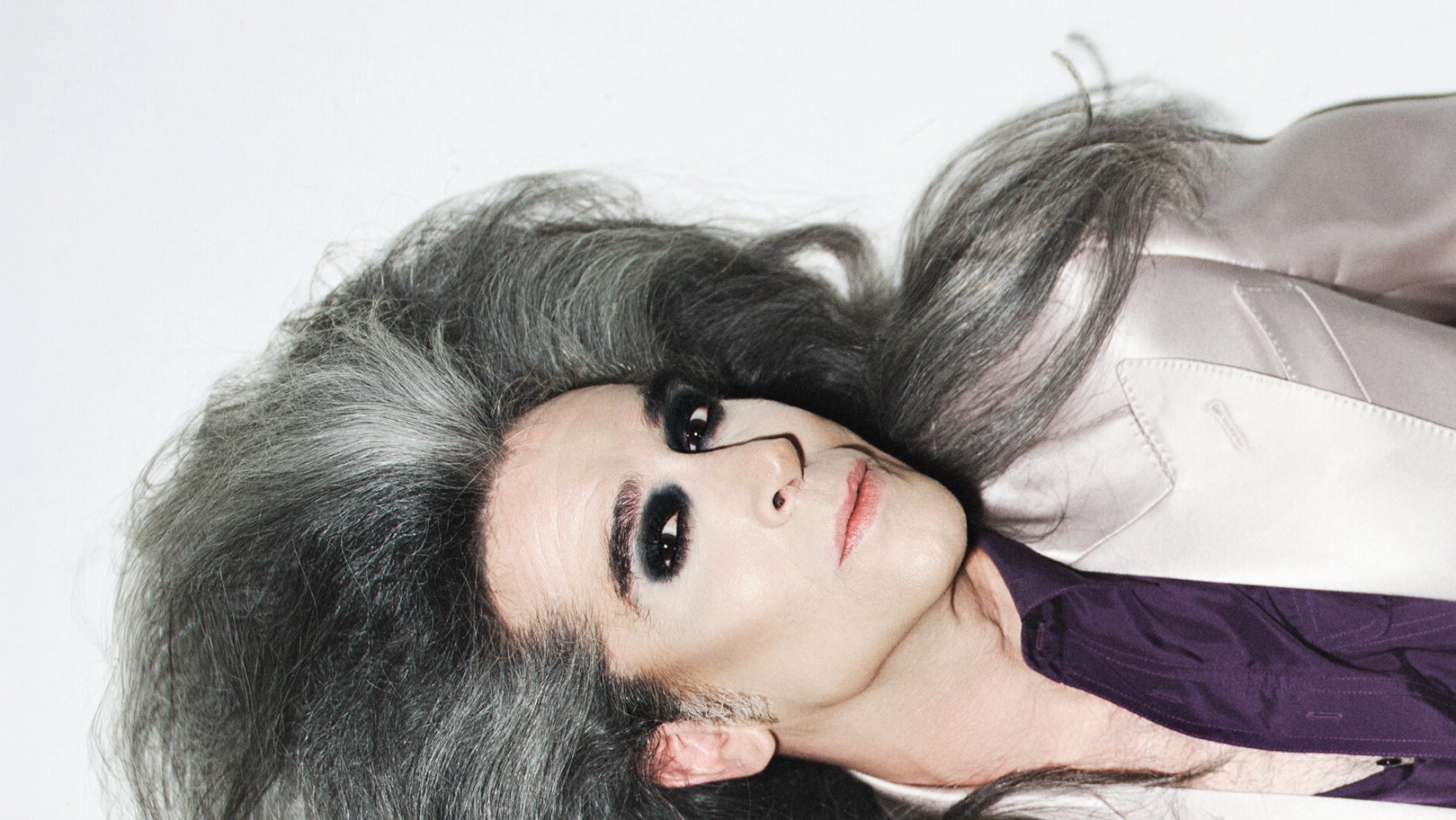
Vaquerizo explained that the title of the work pays homage to the voluminous teased hairstyle that cushioned the physical impact of his plunge and protected his outlook on life.
Vaquerizo is widely recognized across Spain as the flamboyant frontman of the pop group Nancys Rubias and as a prominent reality television star alongside his wife, the pop singer Olvido Gara, known professionally as Alaska.
Stage fall and hospital recovery
The accident occurred when Vaquerizo incorrectly positioned a rotating stage platform known as a giratutto during a live concert. He fell four metres from the stage, suffering injuries that required a month of hospital care.
Vaquerizo said the mistake happened because his mind was wandering rather than concentrating on the task in front of him. He explained that he had entered an intense work routine where he was attempting to manage too many projects at once and focusing properly on none of them.
The entertainer admitted that writing the book was originally an editorial commission from HarperCollins that he initially dismissed as silly because he felt well. However, working through the memories served as his best form of psychotherapy, helping him realize that the fall was far more serious than he had admitted to himself.
Despite the severity of his injuries, Vaquerizo described his four weeks in the hospital as a genuinely happy time. He spent the month in a secure environment receiving excellent medical attention while enjoying uninterrupted time with his wife.
He noted that their domestic routine had previously suffered because of his relentless travel and work obligations. Reconnecting in the hospital reinforced their marriage and reminded him of the importance of expressing affection before it is too late.
Backlash and cancel culture
Vaquerizo revealed that on the night of his accident, he was distracted by thoughts of lost work after facing public cancellation. He said he had been condemned and removed from a professional project by individuals who formed a negative opinion of him without knowing him personally.
The showman condemned cancel culture as an unfair form of oppression and punishment, questioning why people should face retribution simply for holding different views. While the loss of work caused him deep pain, he recognized that allowing the controversy to overwhelm his thoughts had nearly cost him his life.
He said that surviving the fall taught him to disregard hostility and focus exclusively on the people who truly care for him, specifically his wife, family, and close friends.
Drawing on the core rules of his teased hairstyle philosophy, Vaquerizo argued that the best form of contempt is paying no attention to negative energy and jealousy. He stated that society often amplifies hostile critics unnecessarily.
He recalled facing harsh skepticism and professional ostracism before appearing in a stage production of the musical Cabaret, where critics claimed he lacked the ability to perform. Vaquerizo said his relentless work ethic silenced those detractors, adding that bored commentators who spread negativity should buy a pet monkey instead of attacking others.
Marriage and personal relationships
Addressing his personal life, Vaquerizo dismissed the idea of open relationships and free love for his own marriage. He clarified that while he does not judge couples who choose open arrangements, he has never felt the desire or need to practice them.
He explained that true modernity does not depend on who a person sleeps with, but rather on self-acceptance and authenticity. He remarked that if modern living requires having an open relationship, he considers himself the least modern person in the world.
Vaquerizo emphasized that he is unbothered by strangers who view him as a clown or refuse to take him seriously. He stressed that only the opinions of his loved ones matter, although he admitted he still enjoys commercial success, pointing to a recent appearance on the television programme El Hormiguero that drew four million viewers.
Fame and media scrutiny
Unlike many public figures, Vaquerizo said he unashamedly enjoys fame, exhibitionism, and public attention. He noted that dressing well and standing on stage with a band or in cabaret are natural expressions of his personality.
He said he welcomes fans approaching him for photographs in restaurants and criticized celebrities who earn substantial fees from advertising billboards on Madrid's Gran Vía only to complain about being recognized on the street.
Vaquerizo also expressed intense frustration with contemporary journalism and invasive reporting regarding his private finances and real estate holdings. He voiced anger over reports focusing on properties he owns, including the first home he bought with his wife, known as the pink house.
He described himself as a media worker who spends his hard-earned money however he pleases to ensure he has a secure roof over his head. He accused sensationalist outlets of reusing old quotes and fabricating misleading headlines to generate web traffic and revenue.
He warned against dangerous ideological propaganda in the press, joking that the only useful propaganda is supermarket discount brochures for milk and bread. He added that he reads several newspapers each day to compare how different publications report the same events.
Rejection of political polarization
A central pillar of Vaquerizo's philosophy is a complete rejection of political polarization, which he identified as an escalating problem in Spain, the United States, and across the globe.
He lamented that society has grown increasingly radicalized, confrontational, and intolerant. Rather than viewing issues in black and white, Vaquerizo said he prefers what he termed pearl grey, describing it as a far more elegant perspective.
The entertainer positioned himself in ideological no-man's-land, refusing to adhere to dogmatic rules or allow political factions to categorize him. He quoted lyrics written by artist Fabio McNamara for the band Los Pegamoides about moving forward with wigs and fuel regardless of external pressures.
Vaquerizo recounted facing contradictory attacks throughout his life, having been subjected to homophobic slurs during his school days and later having his float halted at a Pride parade by gay activists shouting anti-capitalist insults.
He concluded that surviving his brush with death taught him to stop self-censoring out of fear of public opinion. While insisting that his stance is neither rebellious nor aggressive, he stated that he refuses to carry a protest banner all day, declaring that the best banner is being a tolerant, polite, and respectful person.