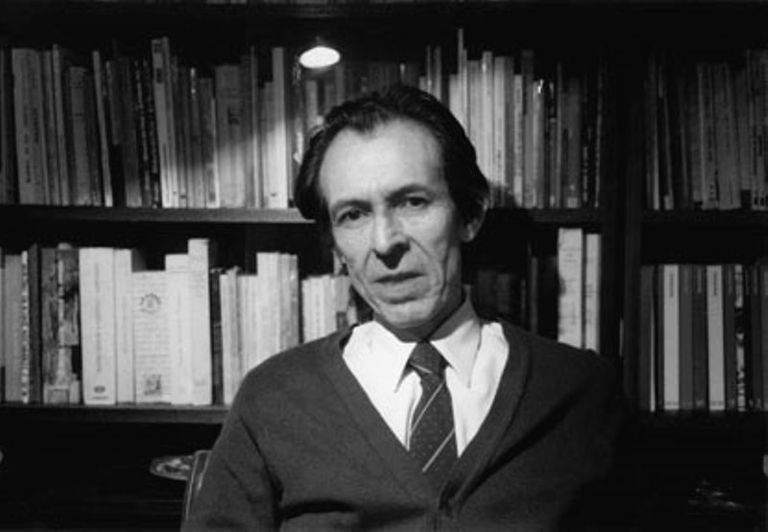
Peruvian writer María José Correa Chávez has published a new book, "Las dudas del mudo" ("The Doubts of the Mute"), which takes a close, personal look at the non-fiction writing of Julio Ramón Ribeyro, one of Peru's most beloved and admired authors.
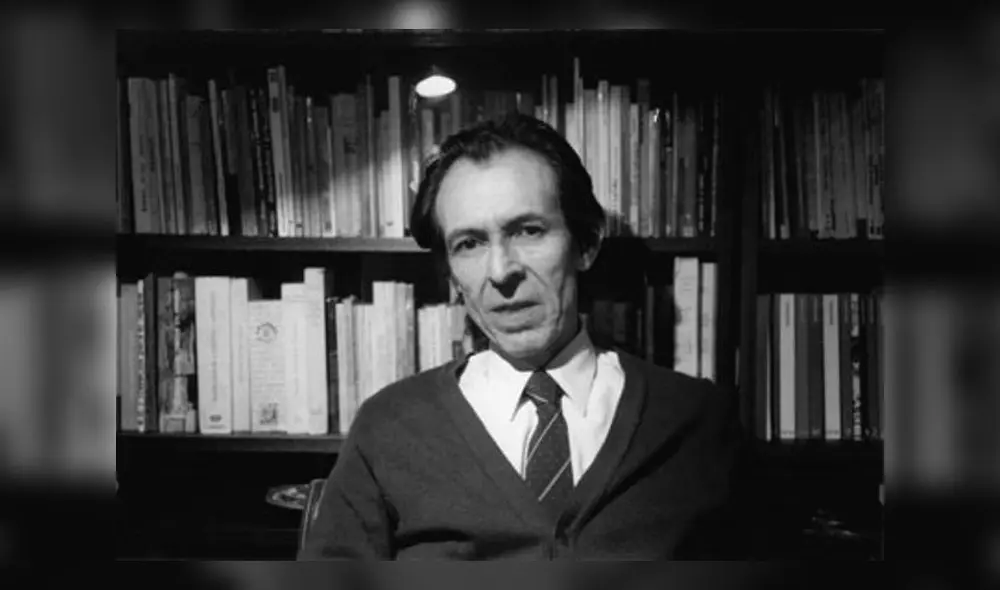
The book's full title translates as "The Doubts of the Mute: A Personal Reading of the Non-Fiction Work of Julio Ramón Ribeyro." It was published by the imprint Revuelta and sells for 49 soles. It carries a prologue by Paloma Torres and an introduction by Jorge Coaguila.
Correa Chávez divides the book into six chapters: "Diario de un escritor inquieto" ("Diary of a Restless Writer"), "El escepticismo detrás de la máscara" ("The Skepticism Behind the Mask"), "La curiosidad del acecho" ("The Curiosity of the Stalker"), "Incertidumbre en París con aguacero" ("Uncertainty in Paris in the Rain"), "Los trazos de la duda" ("The Traces of Doubt") and "Final." Critic Gabriel Ruiz Ortega wrote that the chapters bear no relation to literary theory, but instead capture the emotional dimension that connects readers to the more vulnerable Ribeyro.
Growing interest in Ribeyro's non-fiction
Ribeyro built his reputation chiefly as a short-story writer, and for decades most of the scholarship on him focused on that side of his work. Peter Elmore's 2002 book "El perfil de la palabra" is considered a useful introduction to his output as a whole.
According to Ruiz Ortega, interest in Ribeyro's non-fiction only began to grow after the year 2000, as twenty-first-century readers became more drawn to interior emotion than to the structures of fiction. Aphorism collections such as "Prosas apátridas" and "Dichos de Luder," along with his sprawling diary "La tentación del fracaso," started to be read in a new light and quickly became cult objects, not only among devoted fans of the author.
From rumor to reissue
That interest turned from informal enthusiasm into books and public events starting in 2010, Ruiz Ortega wrote. He pointed to the 2012 edition of "La caza sutil y otros textos," published by the Universidad Diego Portales in Chile and edited by Diego Zúñiga, which rescued a title he said should have been recovered from obscurity long before. He also cited a 2018 tribute to Ribeyro held at the state oil company PetroPerú, which filled the institution's auditorium and, in his view, confirmed readers' open interest in Ribeyro's diaries.

Doubt as Ribeyro's driving force
Ruiz Ortega singled out the chapter "Los trazos de la duda" for its focus on Ribeyro's interest in drawing and painting. He wrote that this turn to the visual arts did not come from a creative need but from a search for a medium of expression, since Ribeyro's great struggle was never a lack of talent or subject matter, but the absence of a single genre that satisfied him. That, Ruiz Ortega argued, is why Ribeyro's writing moved from linear narrative toward the hybrid, the fragmentary and the confessional.
Ruiz Ortega summed up Ribeyro's enduring pull by writing that the author no longer has readers today, only devoted fans.