Finnish scientists sank 1,500 spruce Christmas trees to the bottom of Lake Saimaa to find out whether submerged trees could improve conditions for underwater life, and after three years the results exceeded expectations, Polskie Radio 24 reported.
The experiment began in 2021, led by researchers at the Finnish Environment Institute (SYKE) under Kari-Matti Vuori. The team placed felled spruce trees in groups of six to eight at a depth of about two metres, weighing them down with bricks so they would stay on the lake bed.
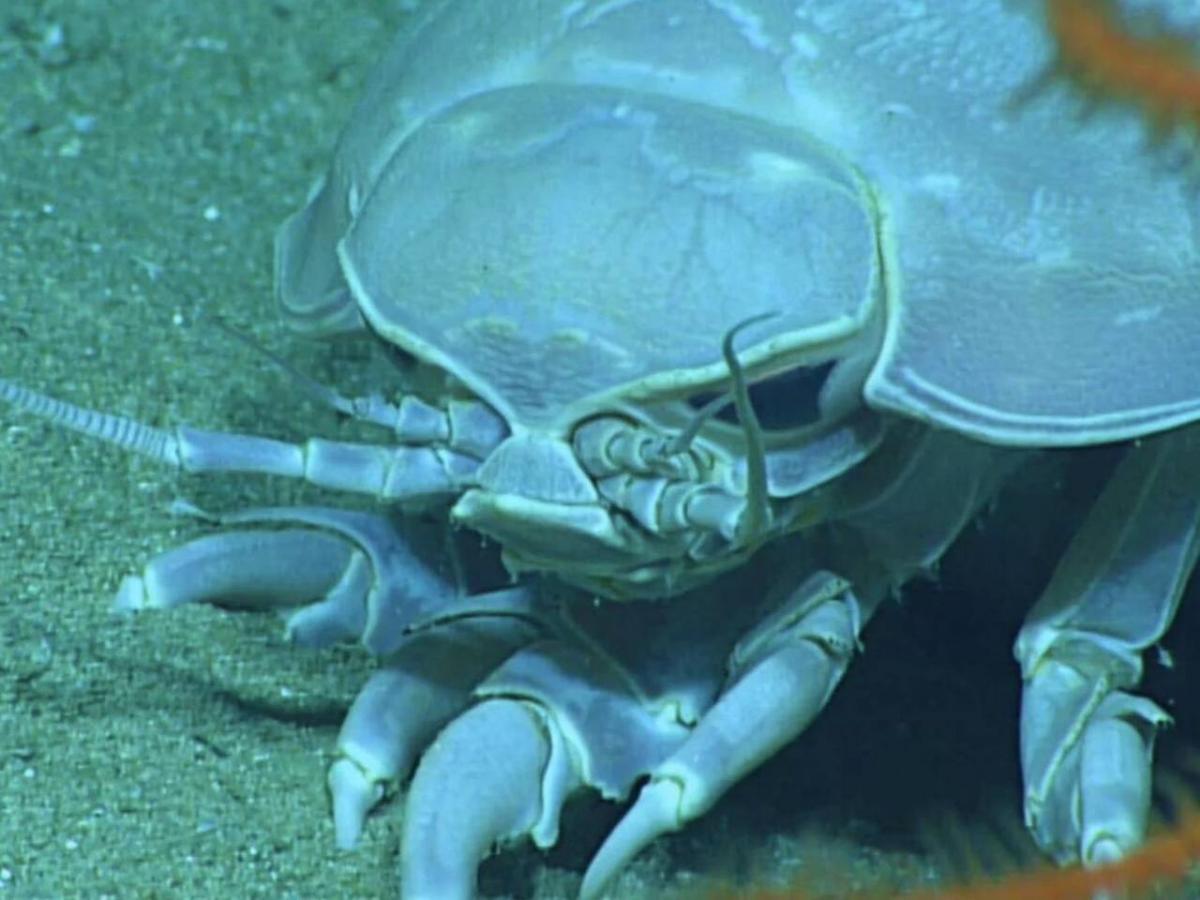
The researchers wanted to test whether the branching structure of the trees could create a more favourable environment for the lake's inhabitants. They paid particular attention to benthos, the organisms that live on the bottom of bodies of water and play an important role in the food chain.
What three years underwater showed
After three years, the scientists returned to the site, raised the trees and compared the results with samples collected before the study began.
They found that the number of bottom-dwelling organisms at the sites where the spruce trees had been placed had increased tenfold. Species diversity had also increased, by up to five times in some cases.
Why the submerged trees helped
According to the researchers, the branches created additional surfaces for lake organisms to colonise, while the gaps between the needles and branches became shelters for smaller creatures. As the wood gradually decomposed, it also became a source of organic matter that microorganisms fed on.
The author of the publication said the experiment showed the importance of the structure of the natural environment, since more complex underwater structures give organisms more opportunities to shelter, find food and reproduce.
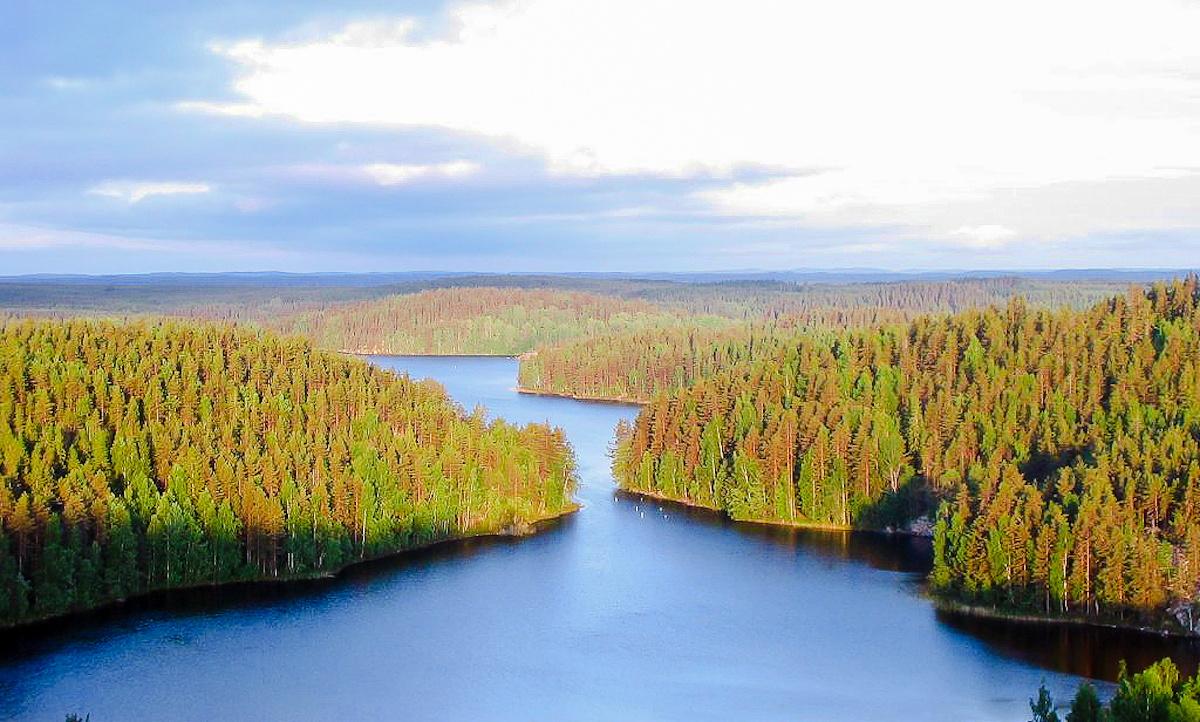
Lake Saimaa, in southeastern Finland, is the country's largest lake and a major freshwater ecosystem.
Not a lesson for every lake
The authors cautioned that the Finnish findings do not mean people should throw their own Christmas trees into lakes or rivers after the holidays. The study was carried out under controlled conditions, with a set number of trees in a specific location, and the publication stated that the same effect would not necessarily occur in every lake.
The report also noted a related project in Lancashire, in the United Kingdom, where used Christmas trees have been buried in coastal sand since 2013 to slow wind erosion and help restore natural dunes. In some areas this has rebuilt dune strips 60 to 90 metres wide, helping protect hundreds of homes from erosion and flooding while creating habitat for hundreds of species of plants, birds and invertebrates.
Test yourself
How many spruce trees did Finnish scientists sink in Lake Saimaa?
By how much did bottom-dwelling organism numbers increase at the tree sites?
Who led the research team behind the experiment?
Have your say
Would you support more experiments using old Christmas trees to help restore natural habitats?
Where it happened
Lake Saimaa, Finland