Spain's new digital television channel La Séptima will alter its launch programming to broadcast an election special following Prime Minister Pedro Sánchez's snap poll call.
Javier Ruiz, the content director for the new broadcaster, confirmed the schedule changes following the announcement that Spaniards will head to the polls on November 29.
The general election call brought forward a vote that could potentially end eight years of government under Sánchez.
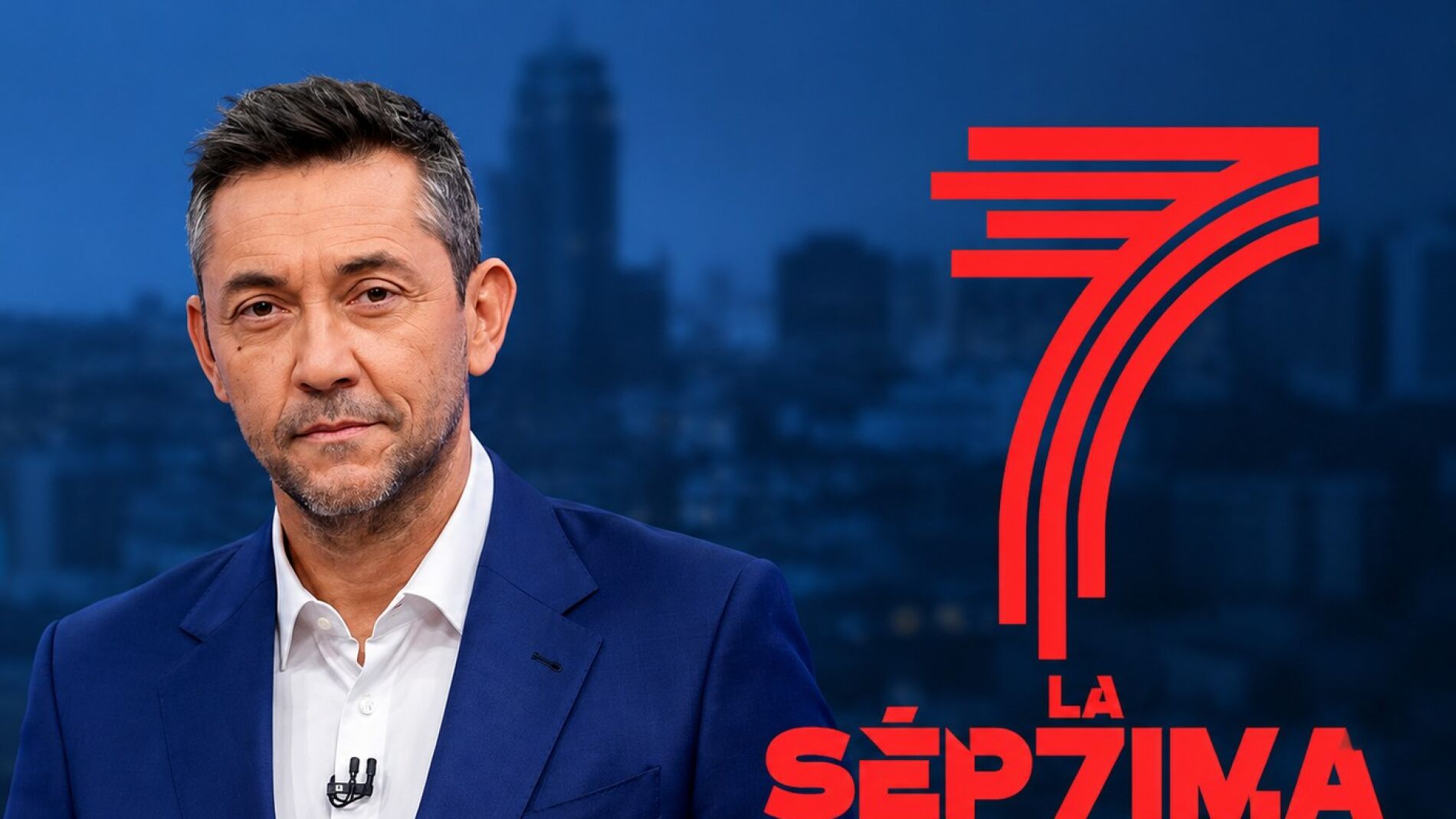
Election special launch
November is a crucial month for Spanish television as La Séptima is scheduled to begin digital terrestrial television (TDT) broadcasts on November 5.
Speaking at the VI Ibero-American Congress of Marketing, Communication and Public Affairs, Ruiz disclosed the station's strategy following the election announcement made by Sánchez yesterday morning.
Ruiz confirmed that La Séptima will make its debut with a prime-time special dedicated to the November 29 general election.
The content director will lead the coverage himself during this initial special broadcast, marking the first major challenge for the channel just days after its debut.
Prime time schedule shift
Addressing attendees at the congress, Ruiz explained that he accepted moving to the prime-time slot immediately so the station could launch as an election special.
He noted that he had always preferred morning broadcasts to cover current affairs, but acknowledged that the election call had displaced his work to the evening schedule.
Ruiz, who also serves as editorial director of La Séptima, stated that the network has no intention of settling for a secondary position on Spanish television screens.
In an interview with television news outlet VerTele, Ruiz said the station aims to shape the national news agenda through original reporting and a distinct editorial perspective.
Live news model without fixed bulletins
Although Ruiz acknowledged that his permanent hosting slot has not yet been determined, he reiterated his preference for the morning schedule, describing it as the key time of day when news agendas are established.
He argued that the station was not created to wait and observe rival channels, but to compete directly for audience relevance and leadership, though he admitted no specific timetable could be set for achieving that goal.
Ruiz outlined a plan to build programming around exclusive stories, breaking news, and an independent editorial outlook.
The project features a non-traditional format for live news coverage, opting out of fixed-hour news bulletins in favor of continuous content updates driven by breaking events.
Competing with major networks
Ruiz emphasized that continuous updates will allow programming to match the pace of current events while avoiding rigid structures influenced by previous-day ratings data.
He acknowledged that La Séptima operates with smaller financial resources than public broadcaster RTVE and other major national television networks.
However, he highlighted the determination and team behind the launch as key strengths for the new project.
La Séptima is currently finalizing its broadcast slots and completing its newsroom editorial teams before launching live broadcasts that will expand progressively following its debut on November 5.
Background on Spanish broadcasting
Digital Terrestrial Television, known in Spain as TDT, is the national standard for free-to-air television distribution across the country.
The network enters a market dominated by established commercial groups and public broadcaster Radio Televisión Española (RTVE), which operates national channels including La 1 and news network 24 Horas.
Prime Minister Pedro Sánchez has led the Spanish government since 2018, with his political administration commonly referred to in domestic politics as Sanchismo.