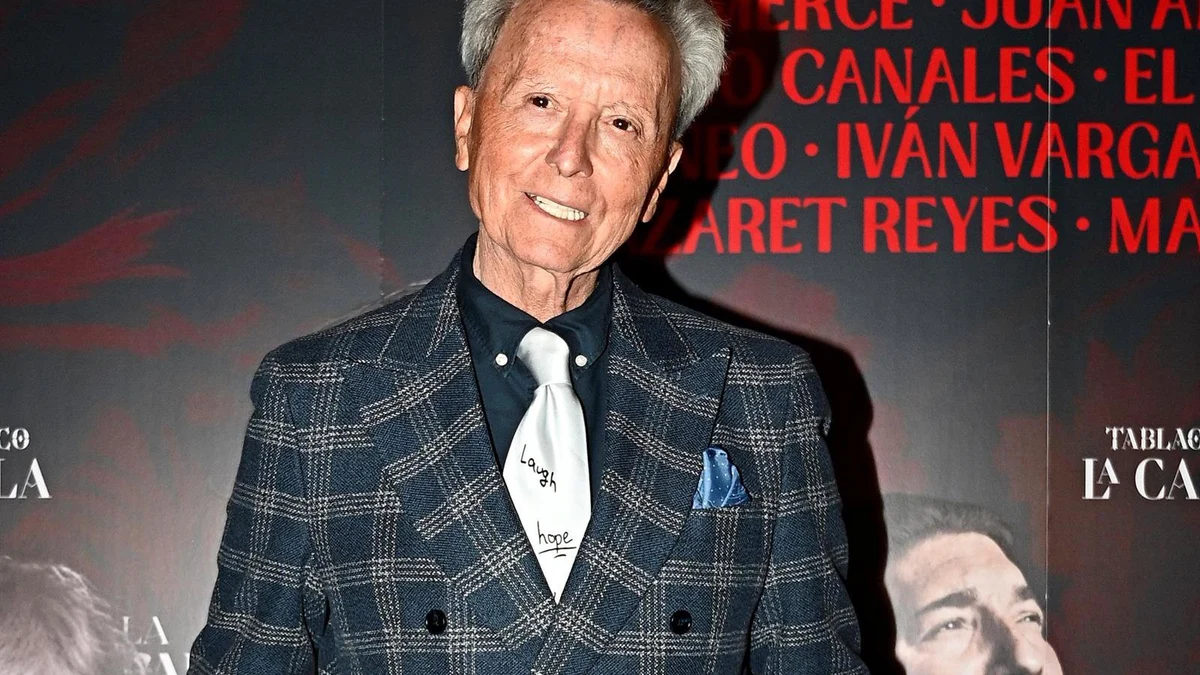
José Ortega Cano, the retired Spanish bullfighter who is about to turn 73, has found a new way to face a bull, this time with no risk of being gored. The matador has traded his fighting cape, known in Spanish as the capote, for a set of paintbrushes, swapping afternoons once spent in the bullring for quieter sessions at a painting school near his home on the outskirts of Madrid.
From the ring to the easel
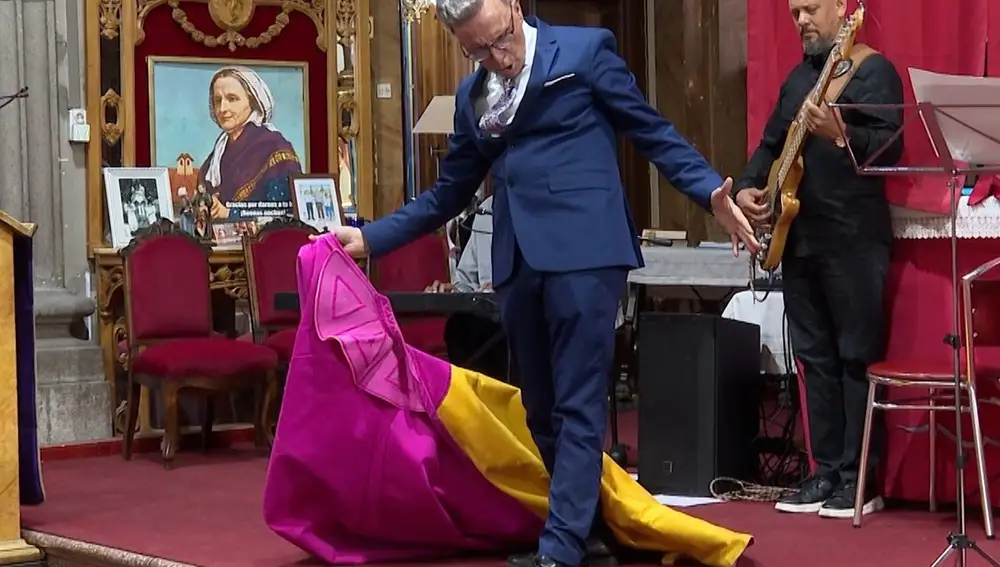
Bullfighting is a centuries-old tradition in Spain, in which a matador faces a bull in a ring, using a cape to direct its charges before a final confrontation with a sword. Ortega Cano built a long career in that world before retiring, becoming one of the best-known bullfighters of his generation in the country.
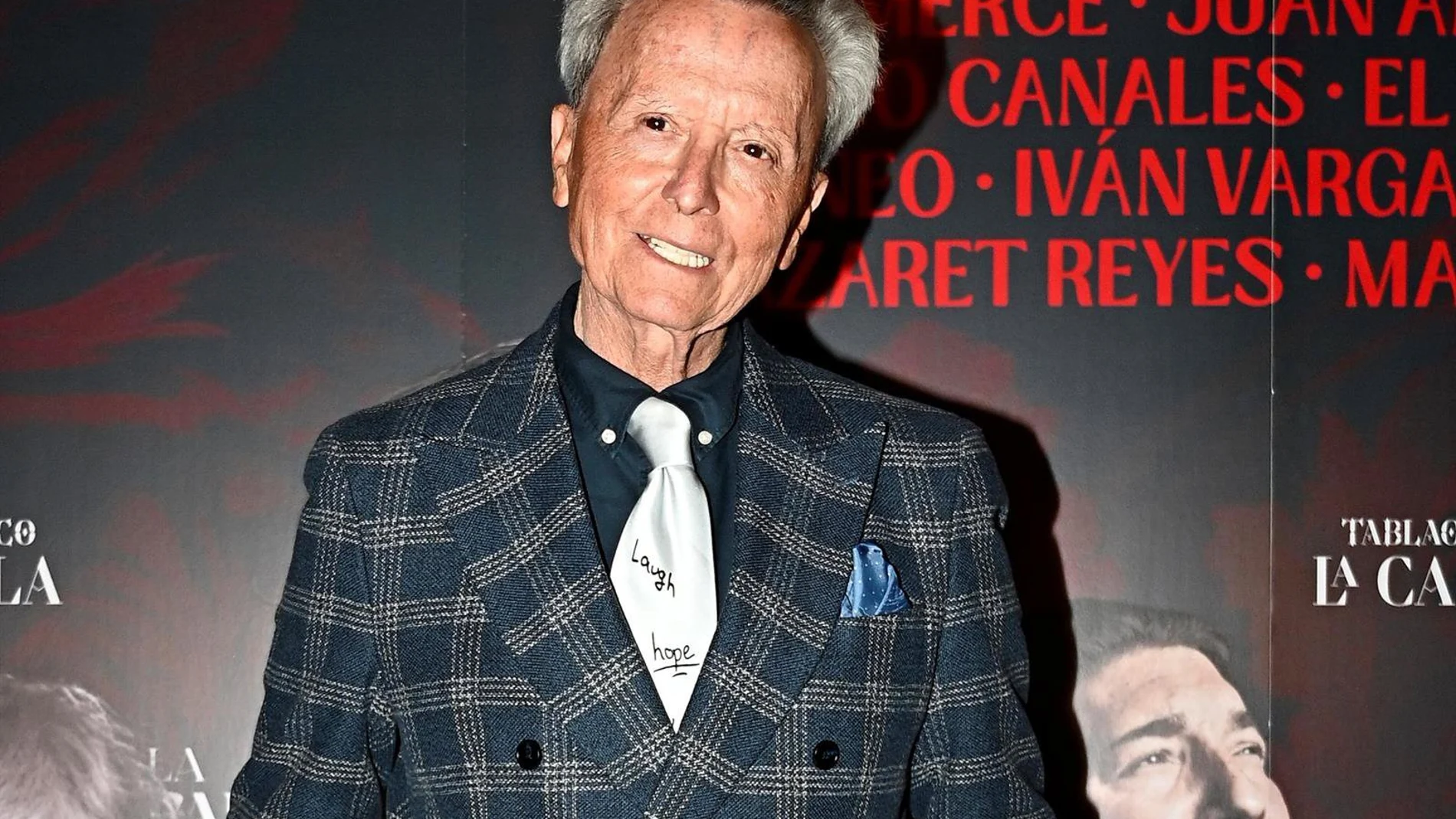
Judging by his own account, he has not been found short of talent. Speaking to Europa Press cameras, he said, with evident pride, that he was painting, and that he was painting very well.
A telltale clue
The first hint of this new pursuit emerged a few days earlier, when reporters photographed his sister, Mari Carmen, as she carried a large painting out of her home. The canvas, done in a realistic style and of considerable size, depicted a bull and carried the signature of the master himself, giving away the secret before Ortega Cano confirmed it in person.

A long-held ambition
What at first looked like a hobby picked up on a whim turned out to be a much older calling, one that the circumstances of his life had rarely allowed him to pursue. He explained that he had always wanted to paint, ever since he was a small child, and that the desire was not something new but something he had carried for a long time. As a boy, he said, it had been difficult to find the chance to paint, but things are better now.
Ortega Cano has also found a benefit that goes beyond the satisfaction of admiring his own work: the chance to widen his social circle and spend time with people who share his new interest. He said he had a very good time and thoroughly enjoyed himself, describing his fellow students at the painting school as very attentive and very warm.
From bulls to pigs
Given his career, it would be easy to imagine him specialising in bullfighting scenes, but the retired matador's choice of animal subjects ranges far beyond the ring. His latest piece took him from the pasture to the pigpen: he revealed, with some amusement, that he had spent that very day painting a pig. The true challenge, he explained, lay in the small details, since reproducing the piglets that accompanied the adult animal had proved far harder than he expected.
A familiar face in Spain
Ortega Cano was born in Cartagena, a port city in the Murcia region of southeastern Spain. Since retiring from bullfighting, he has remained a familiar presence in Spanish celebrity media, in large part through his marriage to the singer Rocío Jurado, one of the most popular performers in the history of Spanish copla, who died in 2006. He has previously been seen breaking into sevillanas, singing rancheras and performing songs made famous by his late wife.
He appears determined to leave none of his artistic interests unexplored. At this stage of his life, he follows what he describes as a fairly healthy rule: that he likes to enjoy himself, and that doing things means you have to keep moving.
A possible exhibition
Ortega Cano has taken his new occupation seriously enough that he does not rule out one day organising an exhibition of his paintings, although he gave no date for any such event. Material will not be a problem, he said, revealing that he already has plenty of pieces stored away.

What happens next
Ortega Cano says he has not ruled out organising an exhibition of his paintings one day, though he has not given a date.
Test yourself
What new activity has José Ortega Cano taken up?
Who first gave away a clue about his new hobby?
What did Ortega Cano say was especially difficult to paint?
Where it happened
Madrid, Spain