

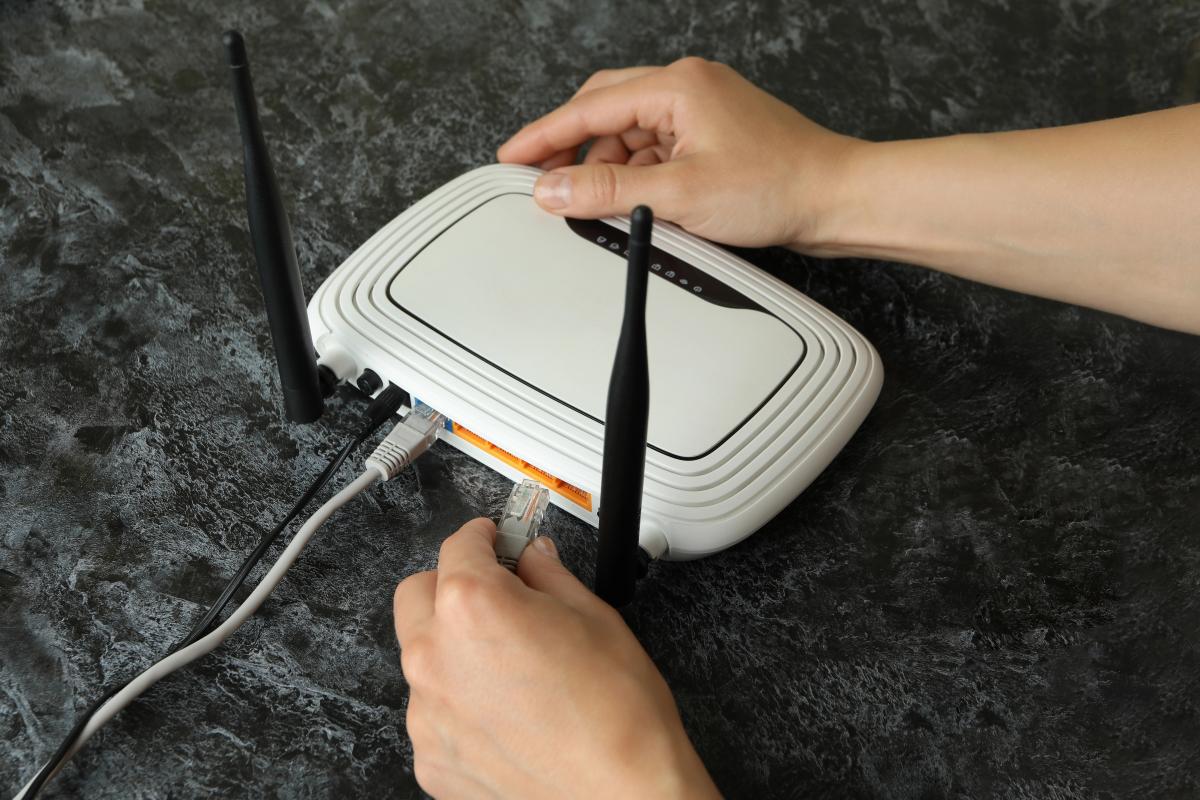
Technology publication SlashGear has found that bending internet cables too tightly slows connection speeds and causes intermittent dropouts for broadband users.
Users who experience sudden drops in network speed frequently blame their internet service provider, their router, or their computer. Analysts from the publication explained that the physical condition of the network cable is often the true cause of the slowdown.
Routing cables through narrow gaps or forcing them around sharp corners creates severe physical stress. The analysts noted that bending a cable is not always harmful on its own, because the real impact depends on the bend radius of the cord.
SlashGear is a consumer technology publication that covers hardware and computing advice. In computer networking, data travels as electrical signals or light pulses, meaning structural deformation disrupts transmission and leads to lost data packets.
Cable Construction And Bend Radius Limits
Experts defined bend radius as the measurement of how sharply a person can curve a cable without impairing data transfer or risking physical damage. This threshold is always a multiple of the cable outer diameter, and the safe limit varies depending on cable type.
Unshielded cables, most commonly unshielded twisted pair lines known as UTP, generally have a smaller bend radius than shielded versions. Similarly, stranded network cables tolerate tighter curvature than solid-core cables.
Standard home Ethernet lines rely on UTP wiring, where pairs of copper wires twist together inside a flexible jacket. Shielded cables add metallic foil to block electromagnetic interference, making the cord far stiffer. Solid-core lines use single copper conductors designed for permanent wall installations, while stranded cords use bundles of thin wires that flex easily.
Most cable manufacturers publish this information in their product specifications. Across the industry, a safe bend radius ranges from 4 to 8 times the outer diameter of the cable, depending on its generation and design. For fibre optic cables, the required bend radius is even larger at 10 times the outer diameter.
Calculating Safe Bends And Preventing Damage
Working out the safe limit for any cable requires a straightforward calculation. If a cord has a 5x bend radius rating and an outer diameter of 6 millimetres, its safe bend radius is 30 millimetres. Doubling that number gives 60 millimetres, which represents the minimum diameter of a circle into which the cable can safely bend.
Applying this calculation protects both performance and product lifespan. SlashGear analysts noted that residents facing cramped apartment spaces often bend cables more sharply than manufacturer guidelines allow, leading to an immediate drop in speed and connection reliability.
Leaving a cable bent beyond safe limits for an extended period causes irreversible damage. When internal wiring breaks down, users cannot fix the line and must purchase a replacement cable. Analysts advised consumers to avoid excessive bends to keep their home internet running at full speed.


